Israeli strikes kill nine in Lebanon as Hezbollah fires rockets over border
Israeli strikes killed at least nine in southern Lebanon as Hezbollah fired rockets into northern Israel, testing a fragile ceasefire.
Intelligence analysis by GPT-5.4 Mini
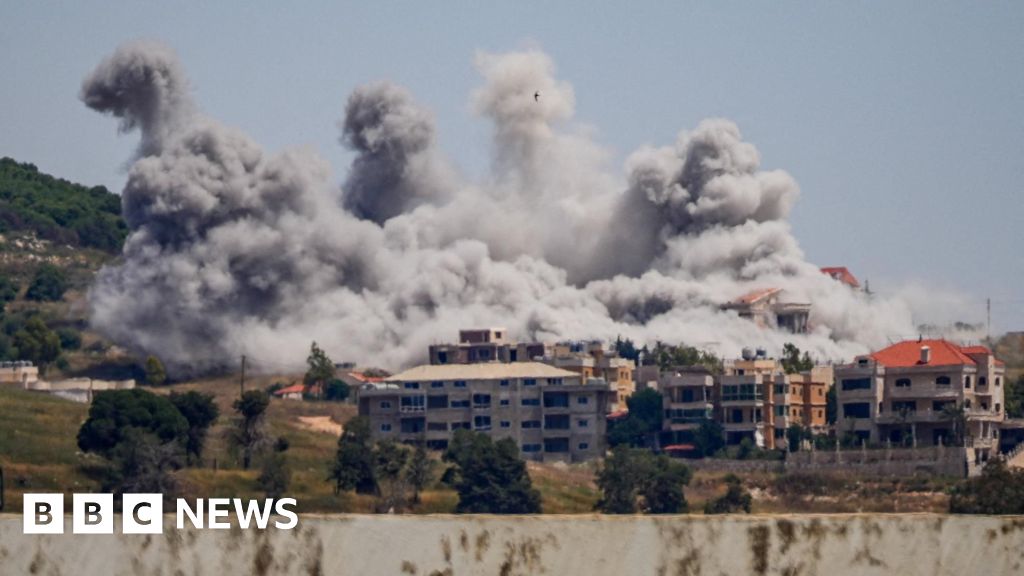
The latest exchange of fire in Lebanon left civilians, paramedics and soldiers dead or injured, despite a partial ceasefire meant to pause attacks around Beirut and across the border. The clashes come as Lebanese and Israeli diplomats talk in Washington about how to strengthen the deal.
It is like two neighbors agreeing to stop throwing things, but then both keep tossing rocks over the fence. People in Lebanon were killed, including ambulance workers, while diplomats tried to stop the fighting from getting worse.
Analysis
Ceasefire under strain
Israeli strikes killed at least nine people in southern Lebanon on Wednesday, according to Lebanese authorities, while Hezbollah said it fired rockets toward northern Israel. The exchanges immediately strained the partial ceasefire that was announced on Monday and was meant to limit Israeli bombing of Beirut in return for Hezbollah halting attacks on Israel.
The Lebanese health ministry said the dead included two paramedics whose ambulance was hit in the Chehour area. It also reported deaths from strikes in the south, including four Syrians and two Palestinians near Tyre. The Lebanese army said one of its soldiers was killed and two others were wounded in separate strikes, and local media reported a strike on a car south of Beirut that left two people injured.
The Israeli military said it intercepted a drone and two projectiles that crossed the border, and Hezbollah later said it had targeted Israeli troops in response to what it called a ceasefire violation. The article does not show any immediate Israeli comment on the ambulance strike.
Diplomacy and wider war
At the same time, Lebanese and Israeli diplomats were holding a second day of talks in Washington about how to strengthen the arrangement. US Secretary of State Marco Rubio said he hoped the talks would produce an action plan for security in Lebanon that is independent from Hezbollah.
The article places the latest violence inside a broader war that drew Lebanon in after Hezbollah launched rockets into Israel in early March. Israel then expanded air strikes across Lebanon and later carried out a ground invasion in the south. Lebanon’s health ministry says 3,516 people have been killed since the war began, while the UN says more than one million people have registered as displaced.
The picture the article presents is of a ceasefire that exists on paper but is already being tested by new strikes, rocket fire, and unresolved questions about who can enforce calm along the border.
Key points
- Israeli strikes killed at least nine people in southern Lebanon, according to the Lebanese health ministry.
- Hezbollah said it fired rockets into northern Israel in response to what it called a ceasefire violation.
- The ministry said two paramedics were killed when an ambulance was hit in the Chehour area.
- Lebanese and Israeli diplomats were in Washington trying to strengthen the partial ceasefire.
- The article says Lebanon has suffered mass displacement and thousands of deaths since the wider war began.
If the Washington talks produce a real action plan, the partial ceasefire could become more stable and reduce attacks around Beirut and the south. That would give civilians and medics more protection and lower the risk of another round of escalation.
If the ceasefire keeps getting tested by strikes and rocket fire, the fighting could spread again and leave more civilians and emergency workers at risk. The talks could also fail to restrain Hezbollah or Israel, making the border violence harder to contain.