Italy Feels Strengthened by EU Decision on Deportation Centers
EU negotiators backed third-country return centers, giving Italy political momentum for its Albania model, though only partly matching it.
Intelligence analysis by GPT-5.4 Mini
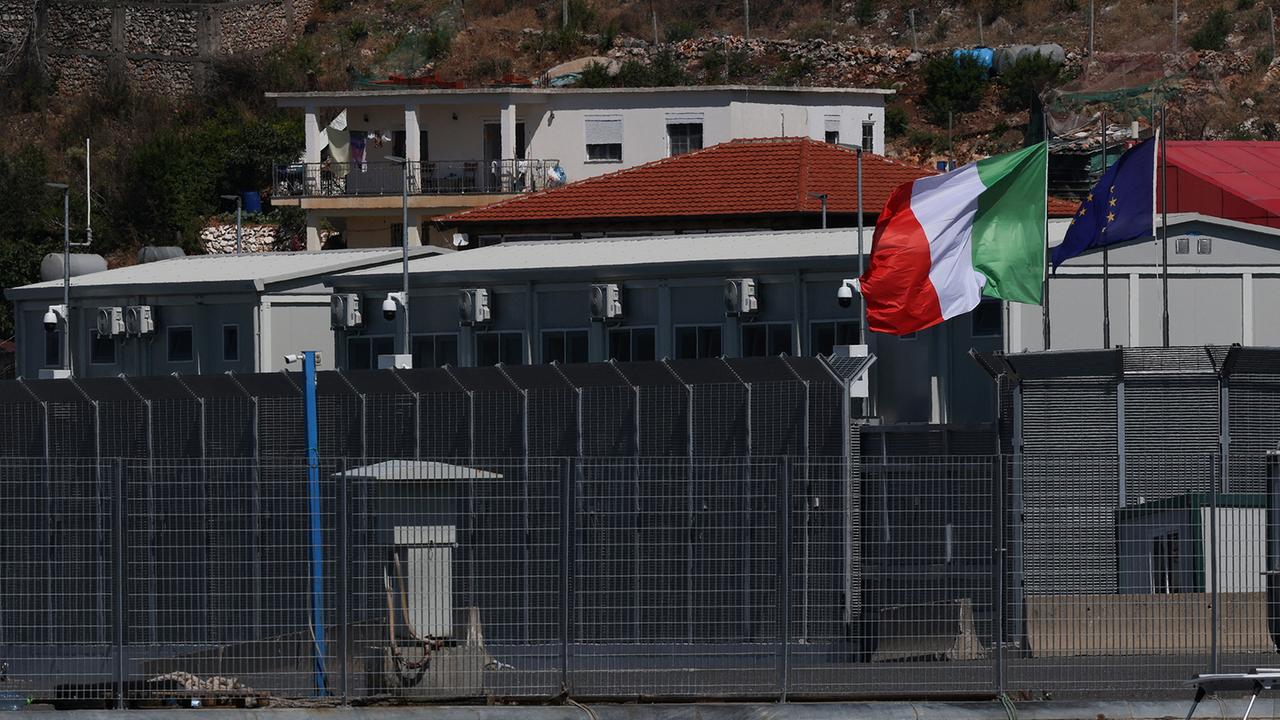
Brussels has approved a tougher migration line that lets member states set up return centers in third countries. Italy says this backs its own Albania camps, but the EU rules only partly match Rome's setup.
Italy built special centers in Albania to move migrants faster, like using a side door instead of the main one. Now the EU has made rules that are closer to Italy's idea, but the two systems still do not match exactly.
Analysis
What changed
EU negotiators agreed that member states may create return centers in third countries. That gives the Italian government political support for its controversial camps in Albania, which Rome has presented as a model for faster migration handling.
Why Italy says it is validated
Interior Minister Matteo Piantedosi called the existing Albanian facilities an "innovative solution" and said Europe was now following Italy's lead. The government argues that the new EU approach confirms its push for faster, tighter asylum processing outside Italian territory.
Where the EU deal and Italy's plan differ
The article says the EU agreement only partially legitimizes the Italian centers. Under the new setup, the third country itself is supposed to run the centers. In Albania, by contrast, Italy operates the sites itself and under Italian law.
The legal and political fight
For Giorgia Meloni's government, the key date is June 12, when the EU asylum pact takes effect. Rome expects a common European list of safe countries of origin, which it hopes will weaken arguments used by Italian judges to block the plan. The new EU rules will also allow accelerated border procedures at the EU's external borders, similar to what Italy wanted to do in Albania.
The article notes that Italian courts have already stopped the attempt three times, mainly over uncertainty about what counts as a safe country of origin. A previous opinion from the European Court of Justice said the model can be compatible with EU law, but only if asylum seekers' rights are protected, including access to legal remedies and prompt judicial review.
What happens next
Italy still needs domestic legal changes to align with EU law, but the government's broader immigration bill has stalled in the Senate. The most likely fallback is an emergency decree that Parliament would approve afterward.
Key points
- EU negotiators agreed that member states can set up return centers in third countries.
- Italy sees the decision as political backing for its Albania camps, but the match is only partial.
- The EU model says the third country should manage the centers, while Italy runs the Albanian sites itself.
- Rome hopes the new EU asylum pact, starting June 12, will help it overcome court blocks.
- Italian migration law changes are stuck in the Senate, so the government may use an emergency decree.
If the EU rules are implemented smoothly, Italy could use the Albanian centers in a way that fits European law more clearly. A common list of safe countries could also reduce court fights and make asylum processing faster and more predictable.
The article makes clear that the current Italian setup still does not fully match the EU model, so legal challenges may continue. If Parliament does not pass the needed changes quickly, the government may have to rely on an emergency decree, which could face further political and legal pushback.