Japan sees shortage of plastic bags, trays and gloves, as Iran war-induced naphtha shortage worsens
Japan is facing shortages of plastic bags, trays and food-service gloves as a naphtha squeeze tied to the Middle East crisis spreads. Retailers and food businesses are adjusting while prices rise.
Intelligence analysis by GPT-5.4 Mini
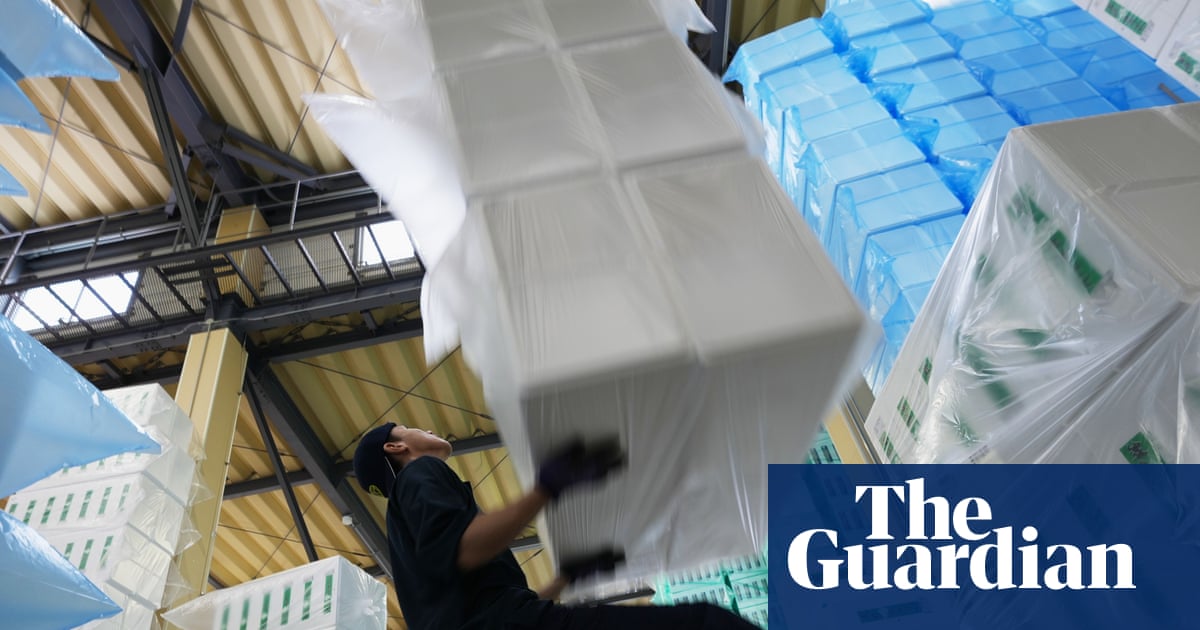
A supply crunch in naphtha, a key petrochemical feedstock tied to crude oil from the Middle East, is hitting everyday plastic products in Japan. The shortages are now visible in supermarkets, bakeries, takeaway shops and waste collection systems.
A fuel used to make plastic is getting harder to get, like a missing ingredient in a kitchen recipe. That is why shops in Japan are running low on bags, trays and gloves, and some stores are asking people to bring their own containers.
Analysis
What is happening
Japan is seeing shortages of plastic bags, trays and food-service gloves as a naphtha shortage deepens. Naphtha is extracted from crude oil and used to make plastics, ink, adhesives and medical supplies, so disruption to supply quickly spreads into daily life.
How it is affecting businesses and households
The food sector uses nearly one-third of Japan's more than 8 million tonnes of annual plastic use, so supermarkets, bakeries and takeaway shops are being hit first. At one supermarket in Kawasaki, staff have stopped using the small plastic trays they normally put with produce. A bakery in the same area says it has run out of the plastic bags it uses to keep baguettes fresh, and its supply of food-handling gloves is also tight. In Kofu City, one bento shop is offering free side dishes and extra toppings to customers who bring their own plates or containers.
Government response and market pressure
The government says the problem is a supply bottleneck rather than a true shortage, but industry leaders and commentators say the situation is worsening. The article says public concern is high and that Prime Minister Sanae Takaichi's government is under mounting pressure. The Japan Petrochemical Industry Association reported that polyethylene production used in shopping and garbage bags fell 62% in March compared with 2025.
Wider regional impact
The shortage is not limited to Japan. South Korea has seen a surge in garbage bag sales, while Taiwan has also been dealing with higher plastics prices and warnings against hoarding. The article frames the problem as a regional knock-on effect of the Middle East crisis on oil and naphtha supply.
Key points
- Japan's shortages are centered on naphtha, a petrochemical feedstock tied to crude oil imports from the Middle East.
- Supermarkets, bakeries and takeaway shops are already running short of plastic bags, trays and gloves.
- The Japan Petrochemical Industry Association says polyethylene output for shopping and garbage bags dropped sharply in March.
- The government calls the problem a bottleneck, but industry voices say the pressure will get worse.
- The disruption is also affecting South Korea and Taiwan, showing a broader regional impact.
If supplies stabilize, shops and food businesses could return to normal packaging and avoid bigger disruption. The government's assurance that this is a bottleneck, not a full shortage, suggests the situation may ease if supply lines recover.
If the naphtha squeeze lasts through June, shortages could spread further and force more price increases. Panic-buying and tighter limits on bag sales could make everyday waste disposal and retail service more difficult.