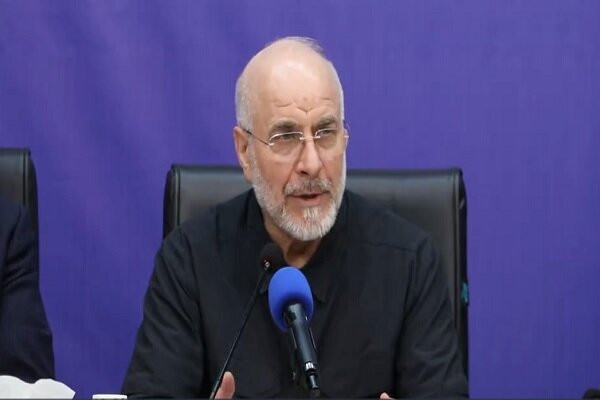
Japan’s ambassador pledges full support for Iran’s participation in Nagoya
Japan's Ambassador to Iran, Tsukada Tamaki, has pledged full support for Iran's sports delegation to participate smoothly in the 20th Asian Games in Aichi-Nagoya, addressing logistical and financial concerns raised by Iran's National Olympic Committee.
Intelligence analysis by Gemini 2.5 Flash
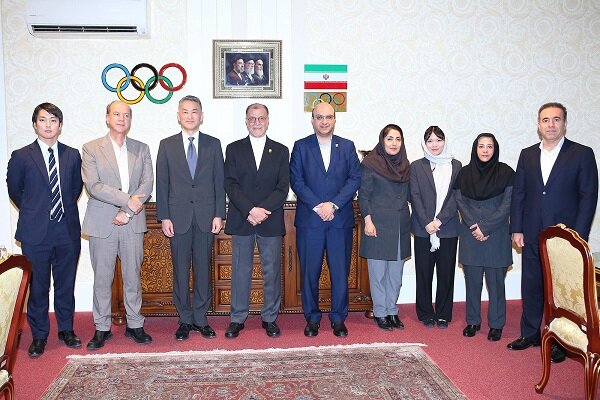
During a meeting with Mahmoud Khosravi Vafa, President of Iran's National Olympic Committee, the Japanese ambassador affirmed Japan's commitment to facilitating Iran's large delegation for the upcoming Asian Games. Discussions covered unique accommodation arrangements, currency matters, and accreditation, with Japan promising to address all concerns.
Imagine a big sports party called the Asian Games happening in Japan, and Iran wants to send a huge team of over 300 athletes. But this party is a bit different because all the athletes won't stay in one big hotel; they'll be spread out. Iran's sports boss met with Japan's ambassador to make sure everything goes smoothly, like getting money exchanged easily and making sure everyone has their special ID cards. The Japanese ambassador promised to help with everything so Iran's team can focus on playing their best.
Analysis
Aichi-Nagoya Asian Games
The upcoming 20th Asian Games in Aichi-Nagoya, Japan, are poised to be a unique event, particularly due to their unconventional logistical setup. Unlike previous editions, these Games will not feature a single, unified athletes' village. Instead, accommodation facilities will be geographically distributed across various locations, presenting a new experience for participating nations like Iran. This decentralized model necessitates enhanced coordination and support from the host country to ensure the smooth functioning of delegations, especially for larger contingents.
Mahmoud Khosravi Vafa, President of the Iranian National Olympic Committee (NOC), specifically highlighted several areas where comprehensive support would be crucial. These included currency-related matters, the issuance and management of athletes' accreditation cards, and arrangements for the delegation's travel in the event of unforeseen circumstances. These concerns underscore the complexities inherent in organizing and participating in a major international sporting event, particularly one with a novel logistical framework.
Tsukada Tamaki's Pledge
Japan's Ambassador to Iran, Tsukada Tamaki, offered strong reassurances regarding these concerns during his visit to the Iranian NOC. He expressed deep regret over recent regional events and acknowledged the power of sport to transcend political divides, citing impressive performances by both Iran's and Japan's national football teams at the World Cup. The ambassador emphasized Japan's full preparedness to host the Asian Games, noting that Iran is expected to send a substantial delegation of over 300 athletes, making it one of the largest participants.
Ambassador Tamaki explicitly recognized the reasonableness of the issues raised by Khosravi Vafa and affirmed Japan's understanding of Iran's concerns. He committed to conveying these matters directly to the Games Organizing Committee, assuring that necessary solutions would be considered and implemented. This pledge of full support from both the Japanese Embassy and the Organizing Committee aims to alleviate any anxieties and facilitate the seamless participation of the Iranian delegation, reinforcing the mutual respect and strengthening sporting and cultural ties between the two nations.
Mahmoud Khosravi Vafa's Concerns
Mahmoud Khosravi Vafa articulated specific logistical and operational challenges that Iran anticipates for its delegation at the Aichi-Nagoya Asian Games. Beyond the distributed accommodation, he pointed to critical issues such as currency exchange mechanisms, the efficient processing of athletes' accreditation cards, and contingency plans for travel disruptions. These practical considerations are vital for the well-being and performance of the Iranian athletes and officials.
Khosravi Vafa also invoked a historical context, drawing a parallel between recent regional events and Japan's experience in Hiroshima, suggesting a shared understanding of bitter consequences. This reference aimed to foster a sense of solidarity and mutual comprehension, emphasizing that despite such events, the determination of Iran's officials, people, and athletes remains strong. The Iranian NOC president's detailed articulation of these needs underscores the importance of proactive diplomatic engagement to ensure successful international participation.
Key points
- Japan's Ambassador Tsukada Tamaki pledged full support for Iran's participation in the 20th Asian Games in Aichi-Nagoya.
- Mahmoud Khosravi Vafa, President of Iran's NOC, raised concerns about distributed accommodation, currency, and accreditation.
- Iran plans to send over 300 athletes, making it one of the largest delegations.
- The ambassador assured that Iran's concerns are reasonable and will be conveyed to the Games Organizing Committee for solutions.
- The cooperation aims to strengthen sporting and cultural ties between Iran and Japan.
With Japan's ambassador pledging full cooperation and support, Iran's large sports delegation can expect a smooth and complication-free participation in the Aichi-Nagoya Asian Games. This diplomatic assurance will likely resolve logistical and financial concerns, fostering stronger sporting and cultural ties between Iran and Japan.
Despite the ambassador's assurances, if the Games Organizing Committee fails to adequately address Iran's specific concerns regarding currency, accreditation, or unforeseen travel circumstances, the delegation could still face significant logistical hurdles. This could potentially disrupt their participation and strain the positive diplomatic sentiment established.