US strategy of bullying and broken promises has failed
Iran's Parliament Speaker Mohammad Bagher Ghalibaf stated that the United States' strategy of threats, broken promises, and fabricated narratives has failed, asserting that Tehran will not engage in further "theater diplomacy."
Intelligence analysis by Gemini 2.5 Flash
Ghalibaf criticized the US for its inconsistent approach, highlighting a pattern of shifting rapidly from threats of "massive attack" to sudden calls for negotiation. He described this as "theater diplomacy on loop" and emphasized that relying on bullying, unfulfilled commitments, and fake news as pressure tactics is a failed strategy that Iran will no longer tolerate.
Imagine a kid on the playground who keeps saying they're going to do something big and scary, like push you, but then suddenly changes their mind and says, "Just kidding, let's be friends!" But they keep doing it over and over, never really being a true friend. Iran's leader is saying that America acts like that kid, always changing its mind with threats and then promises, and Iran is tired of the game because it's not real friendship.
Analysis
Mohammad Bagher Ghalibaf, as Iran's Parliament Speaker, holds a significant position within the Islamic Republic's political structure, making his pronouncements carry considerable weight in shaping both domestic and international perceptions of Iran's foreign policy. His recent statement, delivered via a post on X, serves as an official articulation of Tehran's frustration with Washington's diplomatic approach. By directly addressing the "United States’ strategy of threats, broken promises and fabricated narratives," Ghalibaf is not merely expressing a personal opinion but reflecting a broader consensus within the Iranian leadership regarding the perceived shortcomings and insincerity of American engagement.
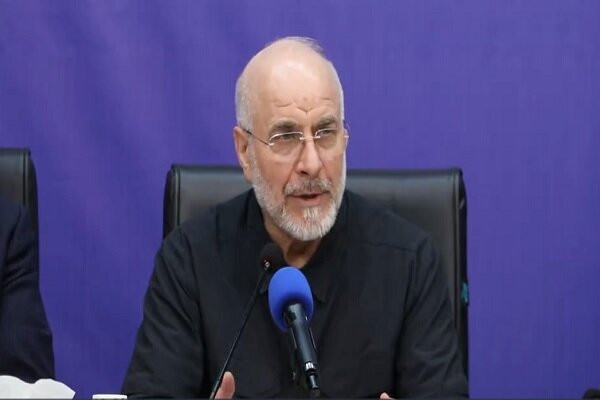
Mohammad Bagher Ghalibaf
Mohammad Bagher Ghalibaf's role as Parliament Speaker positions him as a key voice in Iran's political discourse, particularly on matters of national security and foreign relations. His public declaration on social media, rather than through traditional diplomatic channels, suggests an intent to directly communicate Iran's firm stance to a wider audience, including the American public and international observers. This directness aims to counter what Iran views as misleading narratives and to assert its resolve against external pressures. The speaker's emphasis on the failure of the US strategy is a clear message that Iran believes it has weathered past pressures and will not be swayed by similar tactics in the future.
His call for the "other side to acknowledge established facts and honor previous ceasefire commitments" implies a historical context of perceived American non-compliance or shifting goalposts in past agreements or understandings. This highlights Iran's demand for a more predictable and trustworthy diplomatic partner, rather than one that oscillates between aggressive posturing and sudden overtures for talks. Ghalibaf's statement, therefore, is not just a critique but also a condition-setting exercise for any potential future engagement, demanding a fundamental shift in the US approach.
Theater Diplomacy
Ghalibaf's characterization of US actions as "theater diplomacy on loop" vividly captures Iran's perception of American foreign policy as performative and lacking genuine intent. The rapid shift from threats of a "massive attack" to sudden calls for negotiation is presented as a recurring, insincere pattern designed to exert pressure rather than achieve substantive diplomatic breakthroughs. This framing suggests that Iran views these shifts not as genuine changes in policy but as tactical maneuvers within a larger, manipulative strategy.
This concept of "theater diplomacy" implies that the US is not genuinely interested in resolving issues through good-faith negotiations but rather in creating a public spectacle to achieve its objectives. For Iran, this undermines the very foundation of trust required for meaningful dialogue, leading to a reluctance to engage in what it perceives as a repetitive and unproductive cycle. By labeling it as such, Ghalibaf aims to delegitimize the US's diplomatic efforts and justify Iran's refusal to participate in what it considers a charade.
Broken Promises
The accusation of "broken promises" is central to Ghalibaf's critique, pointing to a history of unfulfilled commitments that have eroded Iran's trust in the United States. This refers not only to specific agreements but also to a broader pattern where US assurances or diplomatic overtures have not translated into sustained, reliable policy. The mention of "unfulfilled commitments" as a tool of pressure suggests that Iran sees these broken promises as deliberate tactics rather than mere diplomatic failures.
This historical grievance over unfulfilled commitments forms a significant barrier to future diplomatic progress. Iran's demand for the US to "fulfill your commitments" is a prerequisite for any meaningful engagement, indicating that past actions continue to heavily influence current perceptions and future possibilities. The Iranian leadership appears to be signaling that a fundamental change in behavior, marked by adherence to agreements and a cessation of perceived manipulative tactics, is necessary before any new diplomatic chapter can genuinely begin.
Key points
- Iran's Parliament Speaker Mohammad Bagher Ghalibaf declared the US strategy of threats, broken promises, and fabricated narratives has failed.
- Ghalibaf criticized the US for a recurring pattern of shifting from threats of "massive attack" to sudden calls for negotiation, labeling it "theater diplomacy."
- He stressed that reliance on bullying, unfulfilled commitments, and fake news as pressure tools is an ineffective approach.
- Iran demands that the US acknowledge established facts and honor previous ceasefire commitments instead of continuing empty threats and reversals.
- Tehran asserts it will not participate in further "theatrics" and seeks a more sincere and consistent diplomatic engagement.
If the United States were to acknowledge Iran's concerns regarding its past diplomatic inconsistencies and genuinely commit to a more stable and trustworthy approach, it could pave the way for de-escalation and more constructive engagement between the two nations, potentially leading to a more stable regional environment.
Should the US continue its current strategy of perceived threats and inconsistent diplomatic overtures, Iran's distrust will likely deepen, leading to further entrenchment of positions, increased regional tensions, and a prolonged stalemate in any potential for meaningful dialogue or resolution.