Johannes Winkel: Youth Union chief calls for higher Bafög funding at the expense of pension increases
Johannes Winkel wants Germany’s July pension hike reduced to help finance a planned Bafög increase and avoid cuts to parental benefits.
Intelligence analysis by GPT-5.4 Mini
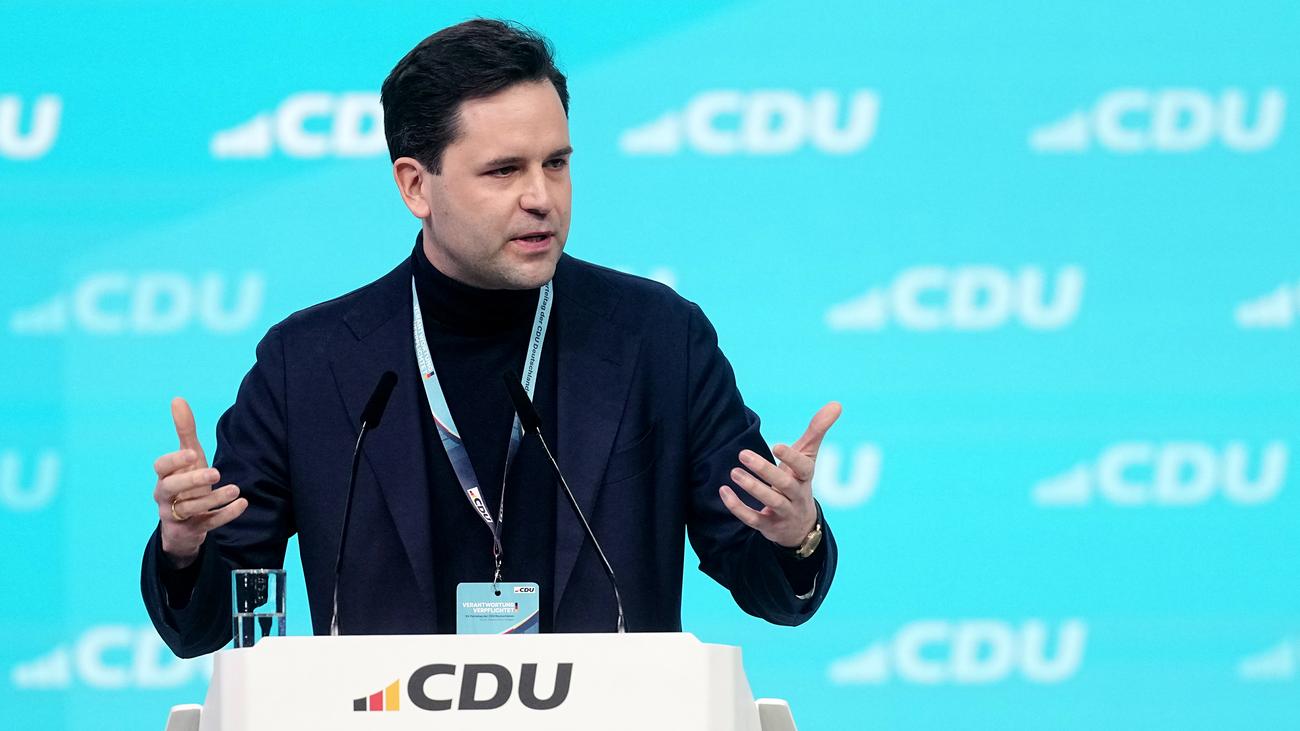
The Youth Union leader is pressing the CDU-led government to spread budget pain across generations more evenly. His proposal runs into a legal pension adjustment and an uncertain coalition plan for student aid.
A politician from the youth wing wants Germany to take a little less money from pension hikes so there is enough for student aid. It is like trying to share one pie between grandparents, students, and parents, but the pie is too small for everyone to get more.
Analysis
Budget trade-off inside the coalition
Johannes Winkel, the head of the CDU/CSU Youth Union, is urging the government to slow the planned pension increase on 1 July so the savings can help pay for a Bafög rise and prevent cuts to parental benefit. In his view, the coalition promised all three measures in its agreement, but the current fiscal situation means those promises now have to be reassessed.
Winkel specifically suggested letting pensions rise by 3 percent instead of 4.2 percent. He argued that the burden should not fall on young people alone and asked why the savings should not be distributed more fairly across generations.
Why the proposal is difficult
The article notes that the annual pension adjustment is set by law and is based on the previous year’s wage growth, as measured by Germany’s statistics office. For the 1 July 2026 increase, the relevant wage growth was 4.25 percent, which makes a simple political cut hard to implement.
At the same time, the coalition agreement between conservatives and Social Democrats includes a Bafög increase in several steps starting with the coming winter semester, along with a modernization and digitalization of the student-aid system. That reform would simplify follow-up applications and fold the student-start-up grant into the Bafög application.
But the funding is unsettled. Government spokesman Stefan Kornelius recently said all projects remain subject to financing. Jens Spahn, the CDU parliamentary leader, has also said state benefits such as Bürgergeld, housing benefit, parental benefit, and Bafög are unlikely to rise soon. Education Minister Dorothee Bär has also expressed doubts, even though her ministry is responsible for shaping and implementing Bafög reform.
Key points
- Johannes Winkel wants to reduce the July pension increase to help finance a Bafög rise.
- He says the savings should be shared more fairly and not fall mainly on the young.
- The article says pension adjustments are legally set and tied to wage growth data.
- The coalition agreed to raise Bafög in stages, but funding is still unresolved.
- Senior coalition figures have already cast doubt on raising several social benefits soon.
If the coalition finds a way to fund the reform, students could get higher Bafög and a simpler application process. The planned modernization and digitization could also make repeated applications less bureaucratic.
The pension increase is legally anchored, so Winkel’s suggested cut may be hard to turn into policy. If no funding is found, the Bafög increase could stay uncertain and the coalition could keep arguing over who should absorb the savings pressure.