Justice Ministers' Conference to Close Gaps in Sexual Offences Law
State justice ministers will debate new rules to close remaining gaps in sexual offences law, including consent, limitation periods and reporting duties.
Intelligence analysis by GPT-5.4 Mini
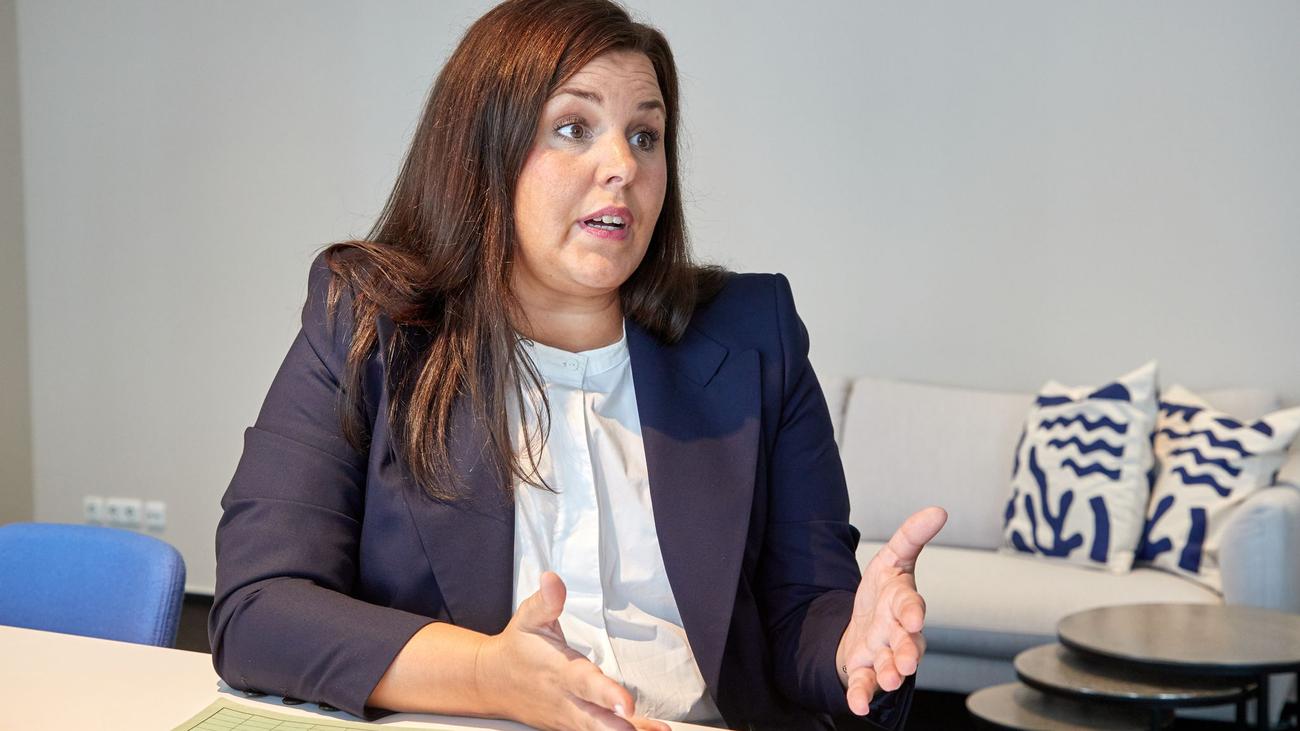
Hamburg justice senator Anna Gallina wants the conference to tighten sexual offences law ten years after the 2016 reform. Her proposals focus on explicit consent, longer limitation periods in hard-to-prosecute cases, and a duty to report planned serious sexual crimes.
Germany’s justice ministers are talking about better rules to protect people from sexual violence. The idea is to make the law work more like a door that only opens when someone clearly says yes, and to stop some serious cases from running out of time too soon.
Analysis
What is being discussed
At the spring meeting of the justice ministers of Germany’s federal states in Hamburg next week, the agenda includes 60 proposals. One of the main themes is sexual self-determination, with Hamburg justice senator Anna Gallina making sexualized violence against women a priority.
Consent rules
Gallina and her North Rhine-Westphalia counterpart Benjamin Limbach are backing a shift from the current "No means no" model to a "Only yes means yes" approach. Under that idea, the key question would be whether there was a voluntary and recognizable consent to the sexual act, rather than only whether an objection was expressed.
The argument is that the current rule improved victim protection, but still leaves a gap when victims freeze in shock and cannot voice resistance. Gallina says that can happen in many cases and therefore remains a serious protection gap.
Limitation periods
A second proposal is to revisit limitation periods for sexual offences. Gallina says there are cases in which serious sexual assaults are no longer prosecutable when victims learn of them only later, including situations where victims were sedated or otherwise unable to act. She points to a Hamburg case in which 65 of 67 alleged acts were dropped because of limitation rules.
Duty to report planned crimes
A third Hamburg proposal would extend Section 138 of the Criminal Code, which already punishes failure to report planned serious crimes such as murder or treason. Gallina wants serious sexual offences added to that list, especially offenses against children and young people, so that people who learn of a planned crime while it could still be prevented must report it.
The article frames these as ongoing gaps left after the 2016 reform and as issues the ministers will now weigh alongside a broad set of other justice policy topics.
Key points
- Hamburg is hosting the state justice ministers' spring conference with 60 proposals on the table.
- Anna Gallina wants the law to move from 'No means no' toward 'Only yes means yes.'
- She says some victims cannot express refusal because they freeze in shock.
- The conference will also discuss longer limitation periods for certain sexual offences.
- Hamburg wants non-reporting of planned serious sexual crimes to become punishable in more cases.
If the proposals gain support, Germany could close gaps that leave some victims unprotected when they freeze, cannot speak, or only discover the abuse later. A wider reporting rule could also help stop some planned serious sexual crimes before they happen.
The proposals may face resistance because they would change a major part of sexual offences law and could be controversial among the states. Even if discussed, legal changes could still leave practical problems if victims continue to struggle to report, prove, or discover the abuse in time.