Live blog: Iran war: Israel reports strikes on 150 targets in Lebanon
Israel says it hit about 150 Hezbollah positions in Lebanon as the Iran-U.S. ceasefire remains fragile and talks stall over new strikes and frozen assets.
Intelligence analysis by GPT-5.4 Mini
The live blog shows the conflict spreading across Lebanon, the Gulf and the Strait of Hormuz. Israel says it struck Hezbollah sites, while Iran accuses the U.S. of breaking the ceasefire and both sides keep pressing their own conditions for any lasting deal.
This is like two kids agreeing to stop fighting for a bit, then both saying the other one broke the rules. While they argue, nearby friends like Lebanon, Kuwait and Bahrain can still get hurt by the mess.
Analysis
Escalation in Lebanon
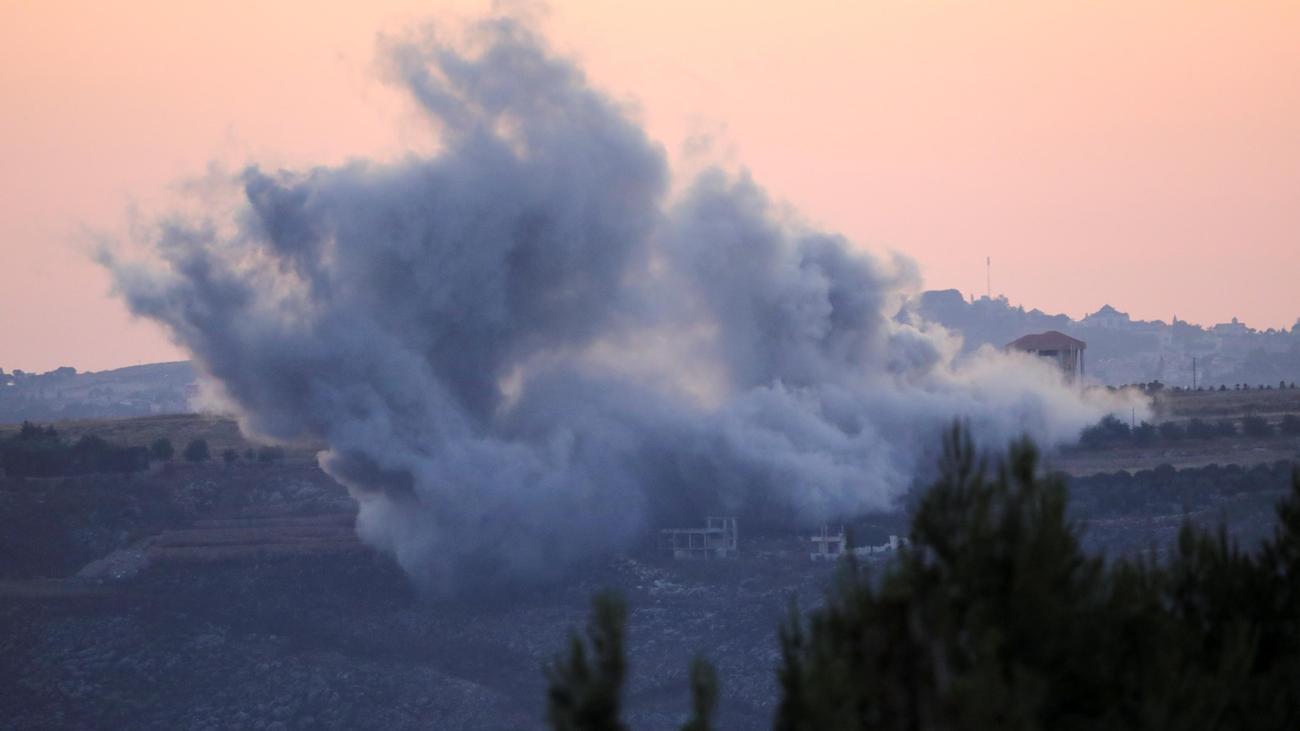
Israel says its army hit around 150 Hezbollah positions in southern Lebanon within 48 hours. The targets included weapons depots, command centers and rocket launchers, according to the military statement reported in the live blog.
Ceasefire under strain
The live blog says the U.S. and Iran agreed to a two-week ceasefire on 8 April, but the agreement is under heavy strain. Iran accuses the U.S. of attacking surveillance facilities on Qeshm island and near Sirik in the south of the country, calling it a violation of the truce and asking the UN Security Council to respond.
Tehran says those sites were used to protect borders and shipping lanes. The U.S., for its part, says it intercepted Iranian rockets and drones aimed toward the Strait of Hormuz and then struck Iranian radar sites in response.
Spillover across the region
The confrontation is not staying between Washington and Tehran. Iran says it fired rockets at Kuwait and Bahrain, while the U.S. says most were intercepted. In Lebanon, the live blog also reports the deaths of Lebanese soldiers in an Israeli attack on a military vehicle, and it quotes Lebanon's president accusing Iran of using the country as leverage in talks with the U.S.
Talks and bargaining chips
Pakistan is trying to act as a mediator. Its interior minister is in Tehran, and the live blog says the Lebanese army chief is traveling to Pakistan in that context. At the same time, Iranian officials are tying any durable settlement to the release of frozen funds, with one senior adviser saying the return of $24 billion would be a key test of U.S. intent.
Key points
- Israel says it struck about 150 Hezbollah positions in southern Lebanon in 48 hours.
- Iran says new U.S. strikes violated the ceasefire and asked the UN Security Council to act.
- The U.S. and Iran continue to accuse each other of attacks around the Strait of Hormuz.
- Pakistan is trying to mediate, while Tehran is linking any deal to frozen Iranian funds.
If mediation through Pakistan gains traction, the sides could turn the temporary ceasefire into something longer-lasting. That would reduce attacks on shipping, Gulf states and Lebanon, giving diplomats more room to work. A deal on frozen Iranian assets could also remove one of the biggest obstacles the live blog says is slowing talks.
If the U.S. and Iran keep trading strikes, the ceasefire could unravel and the conflict could spread further across the region. Continued attacks on Lebanon, Kuwait and Bahrain would keep civilian and military risks high. The asset dispute could also stall talks entirely, leaving each side to escalate instead of compromise.