Monsoon-driven flash flooding kills at least 20 in Afghanistan
At least 20 people have been killed after monsoon-driven flash floods struck Afghanistan's eastern Nuristan province, destroying houses and shops in the province's main city, Parun.
Intelligence analysis by Llama
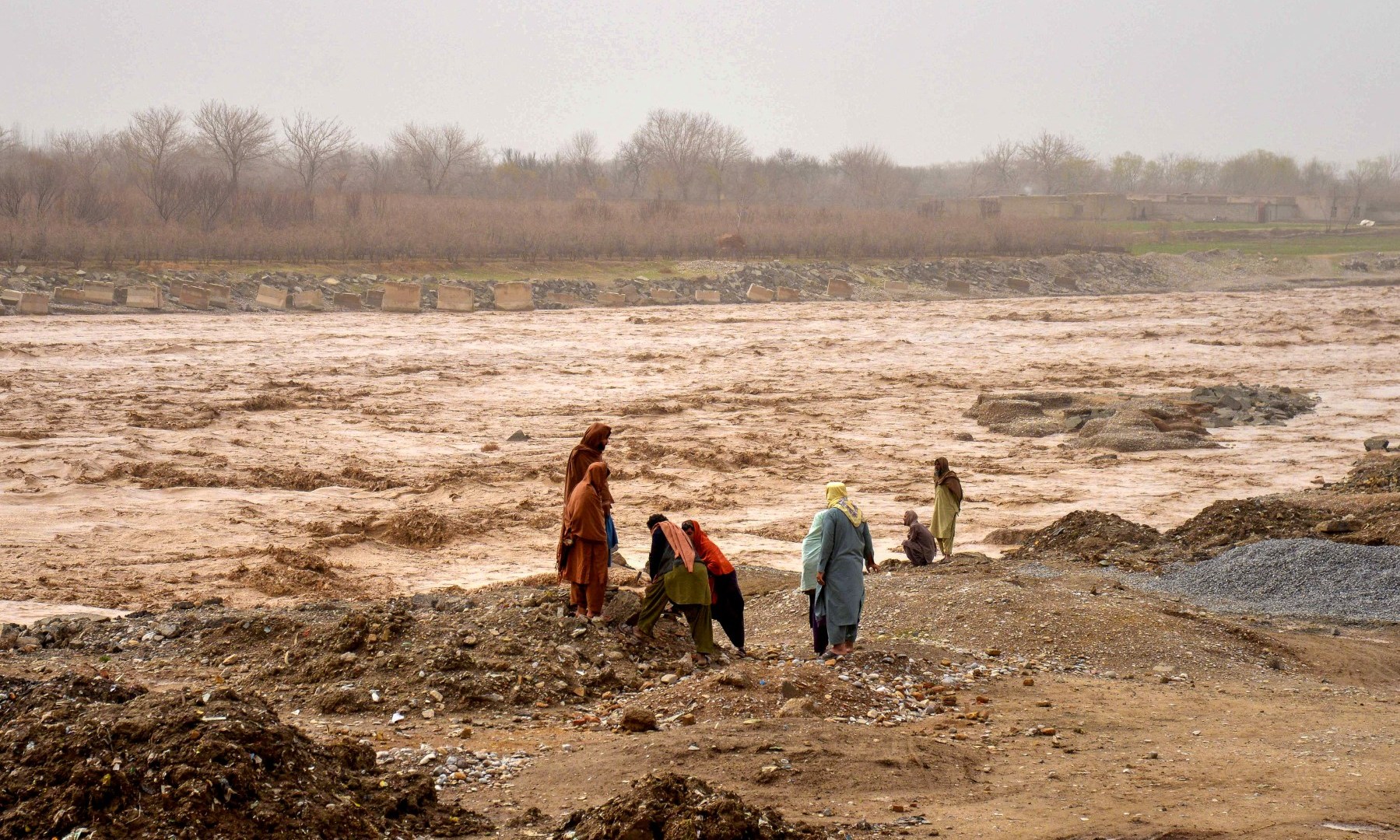
Monsoon-driven flash flooding has killed at least 20 people in Afghanistan's eastern Nuristan province, with the floods destroying houses and shops in the province's main city, Parun. The monsoon has wreaked havoc across the region in recent weeks, killing dozens of people in India and Nepal.
Imagine a big storm coming to Afghanistan, causing a lot of water to flow through the streets and destroying homes and shops. This is what happened in the eastern part of the country, where at least 20 people died and many more were injured. The storm was caused by the monsoon season, which brings heavy rains to the region every year. Climate change is making the storms worse, making it harder for people to prepare and respond to the crisis.
Analysis
A Growing Humanitarian Crisis in Afghanistan
The recent monsoon-driven flash flooding in Afghanistan's eastern Nuristan province has resulted in the loss of at least 20 lives, with many more injured. The flooding has destroyed houses and shops in the province's main city, Parun, leaving residents without proper equipment to search for bodies and belongings. This is not an isolated incident, as the monsoon season has wreaked havoc across South Asia in recent weeks, killing dozens of people in India and Nepal.
The situation in Afghanistan is particularly dire, as the country is highly vulnerable to extreme weather events, particularly flash floods following seasonal rains. The head of Afghanistan's environmental protection agency, Mawlawi Matiul Haq Khalis, has warned that environmental problems have 'contributed to a humanitarian crisis'. The flooding in Afghanistan highlights the need for urgent action to address the country's environmental challenges and mitigate the impact of extreme weather events.
Climate Change Exacerbates the Problem
Climate change is acting to worsen the effects of monsoon rains in Afghanistan, making the country even more vulnerable to extreme weather events. The increased frequency and severity of flooding in the region are a direct result of climate change, which is altering the patterns of rainfall and snowmelt. This has significant implications for the country's infrastructure, agriculture, and human settlements, making it even more challenging for the government to respond to the crisis.
International Response Needed
The international community must come together to support Afghanistan in addressing the humanitarian crisis caused by the flooding. This includes providing emergency aid, supporting the country's efforts to mitigate the impact of extreme weather events, and addressing the root causes of the crisis, including climate change. The situation in Afghanistan is a stark reminder of the need for collective action to address the challenges posed by climate change and extreme weather events.
A Long-Term Solution Requires Sustainable Development
A long-term solution to the crisis in Afghanistan requires sustainable development, which involves addressing the root causes of the crisis, including poverty, inequality, and environmental degradation. This includes investing in infrastructure, education, and healthcare, as well as promoting sustainable agriculture and water management practices. By addressing the underlying causes of the crisis, the government and international community can work together to build a more resilient and sustainable future for Afghanistan.
Key points
- At least 20 people have been killed after monsoon-driven flash floods struck Afghanistan's eastern Nuristan province.
- The floods destroyed houses and shops in the province's main city, Parun, leaving residents without proper equipment to search for bodies and belongings.
- The monsoon season has wreaked havoc across South Asia in recent weeks, killing dozens of people in India and Nepal.
- Climate change is acting to worsen the effects of monsoon rains in Afghanistan, making the country even more vulnerable to extreme weather events.
- The international community must come together to support Afghanistan in addressing the humanitarian crisis caused by the flooding.
If the international community comes together to support Afghanistan in addressing the humanitarian crisis caused by the flooding, the country may be able to recover more quickly and build a more resilient future. This includes providing emergency aid, supporting the country's efforts to mitigate the impact of extreme weather events, and addressing the root causes of the crisis, including climate change.
If the international community fails to provide adequate support to Afghanistan in addressing the humanitarian crisis caused by the flooding, the country may struggle to recover and may face even more severe consequences in the future. This includes increased poverty, inequality, and environmental degradation, as well as a growing humanitarian crisis.