Mourners line Bangkok streets to pay respects to Thailand’s Princess Bha
Thousands in Bangkok mourned Princess Bajrakitiyabha as her body was taken to the Grand Palace after nearly four years in a coma.
Intelligence analysis by GPT-5.4 Mini
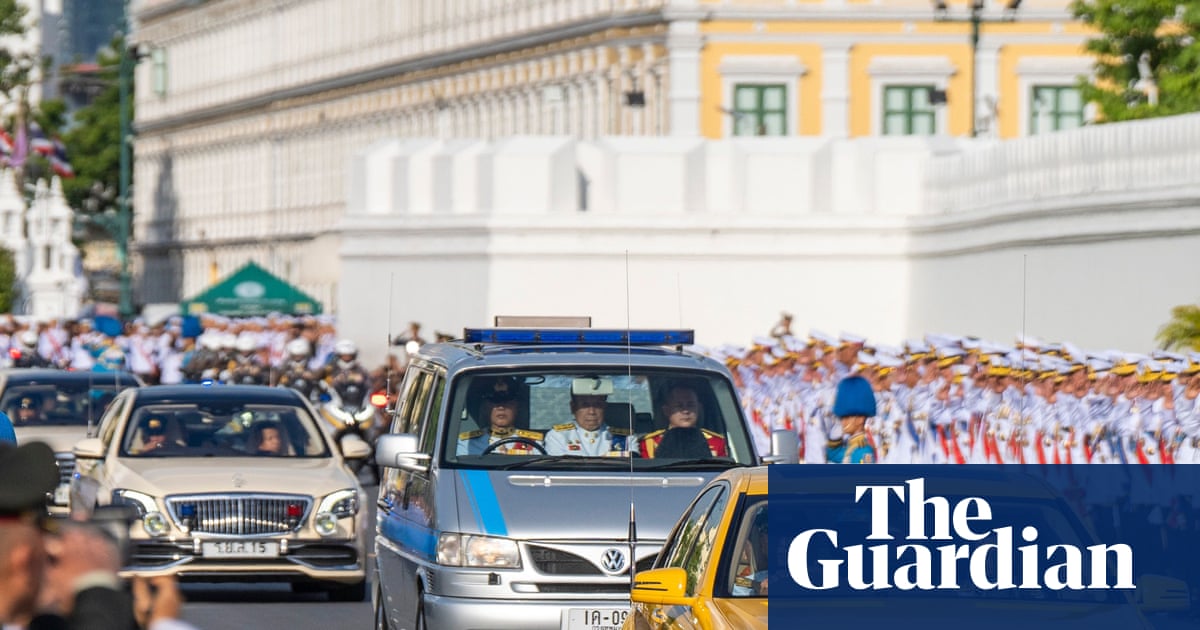
Bangkok residents lined closed streets to watch Princess Bajrakitiyabha’s royal funeral procession reach the Grand Palace. The article frames her as a royal remembered for public service, disaster aid and support for underprivileged people.
People in Bangkok lined the streets to say goodbye to a princess who had been very sick for years. It was like a whole city pausing for a sad family farewell, but with a royal ceremony and many people remembering her helping others.
Analysis
A public farewell in Bangkok
Princess Bajrakitiyabha, known widely as Princess Bha, was taken from hospital to the Grand Palace in a royal funeral procession on Saturday. The route through Bangkok’s center was closed to traffic and lined by mourners in black, while officials in white suits with black armbands stood at attention. Many people waited for hours in the heat and humidity to pay respects as the procession passed.
Who she was remembered as
The article says the princess trained as a lawyer and held official roles, including ambassador to Austria and work in the royal security command. But the strongest theme in the public reaction was her social work. Mourners remembered her campaigning for the rights of female prisoners and her projects to help people affected by hardship and natural disasters.
One mourner, Wanida Lainun, said her aunt had been part of a project linked to helping underprivileged people in Chiang Mai. Another mourner, Anchalee, described the princess’s response to floods and said that her work “touched my heart.” The piece also notes that after severe floods in Bangkok in 1995, Bajrakitiyabha and her mother cooked meals, packed medicine and delivered aid to stranded residents, according to local media.
Ritual and state presence
The king’s invitation for the country to attend the funeral bathing ceremony drew large crowds to the palace. Prime Minister Anutin Charnvirakul and members of the Thai cabinet took part in the Buddhist rite, which involved pouring holy water into a ceremonial bowl placed before the princess’s portrait. The government has not yet announced full funeral details, but it ordered officials to wear black and flags to fly at half-mast for 15 days.
The procession and mourning rituals underline how royal ceremonies still draw state officials and ordinary citizens into the same public space, with grief, duty and reverence unfolding together.
Key points
- Princess Bajrakitiyabha’s body was brought to Bangkok’s Grand Palace in a royal funeral procession.
- Mourners lined the streets in black, while officials wore white suits with black armbands.
- People remembered her work on female prisoners, disaster response and aid for underprivileged communities.
- Prime Minister Anutin Charnvirakul and cabinet members performed the funeral bathing rite.
- The government ordered black clothing for officials and flags at half-mast for 15 days.
The large turnout suggests her public service left a strong mark, which could keep attention on the causes she supported, including disaster aid and help for underprivileged people. The royal rituals may also give mourners a shared moment of unity and closure.
The princess’s long illness and death leave a gap in the public image of a royal who was seen as active in social causes. If the funeral process stretches on without clear details, the uncertainty may prolong public grief and attention around her absence.