New escalation: The U.S. and Iran strike each other in the Gulf region
Iran fired missiles and drones at Kuwait and Bahrain after a U.S. strike on an Iranian tanker. The U.S. said it intercepted the attacks and hit an Iranian facility on Qeshm Island in response.
Intelligence analysis by GPT-5.4 Mini
The article describes a fresh round of tit-for-tat attacks between the U.S. and Iran around the Persian Gulf, including strikes on Gulf states, a U.S. response on Qeshm Island, and renewed fears that the war could widen. It says talks on a framework deal remain stalled while both sides claim they are acting in self-defense.
The U.S. and Iran are like two kids throwing balls back and forth, but these are dangerous balls with real damage. One fight can spill into busy sea roads and airports, so even people far away can feel the trouble.
Analysis
What happened
The article says the U.S. and Iran exchanged some of their heaviest fire since a ceasefire took effect on April 8. According to Tehran, Iran’s Revolutionary Guard launched ballistic missiles and drones at the Gulf states of Kuwait and Bahrain. The U.S. military said it intercepted the attacks and then carried out “self-defense strikes” on an Iranian military site on Qeshm Island in the Strait of Hormuz.
Why the fighting matters
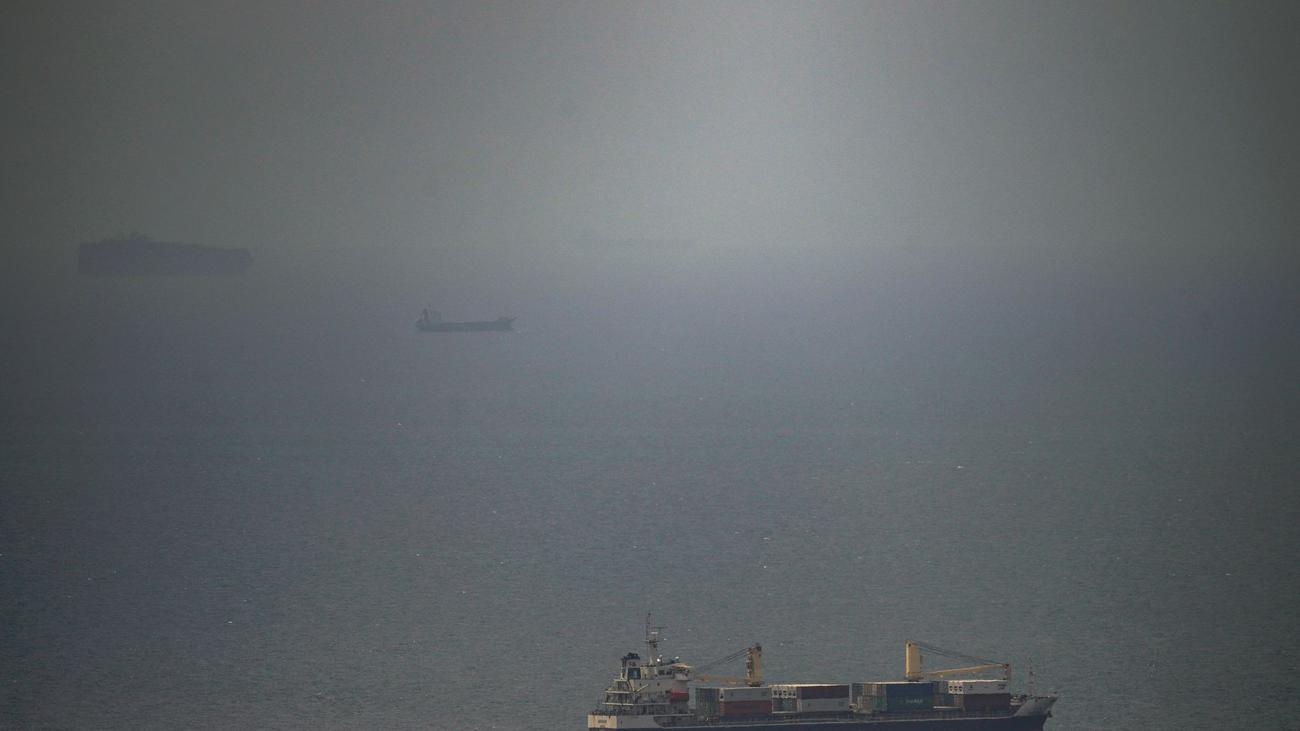
The Strait of Hormuz is a critical route for oil, fertilizers, and liquefied gas. The article says Iran has taken control of the waterway since the start of the war, while the U.S. has imposed a sea blockade to stop Iranian oil exports. That makes every new attack more dangerous, because it can threaten commercial shipping and raise the risk of a wider regional conflict.
Damage and competing claims
Kuwait reported injuries at its airport, and its civil aviation authority said flights were suspended or diverted after strikes damaged airport facilities. The U.S. military said Iranian attacks missed their intended targets, either because missiles failed or were intercepted. Centcom also rejected Iranian claims that it had hit U.S. military headquarters in Bahrain or a nearby air base, calling those claims false.
The diplomatic backdrop
The article says the latest exchange followed a U.S. attack on an Iranian oil tanker, which Tehran framed as the trigger for retaliation. At the same time, President Donald Trump insisted talks between Washington and Tehran were still continuing, despite Iranian reports that negotiations had stalled. The result is a tense mix of military escalation and unresolved diplomacy, with no clear sign that either side is ready to step back.
Key points
- Iran fired missiles and drones at Kuwait and Bahrain, according to the article.
- The U.S. said it intercepted the attacks and struck an Iranian military facility on Qeshm Island.
- Kuwait reported injuries and airport disruption after the attack.
- Both sides gave conflicting accounts of what was hit and whether the attacks succeeded.
- Talks on a framework deal remain stalled even as both sides say negotiations are still ongoing.
If the talks between Washington and Tehran continue, they could still produce a framework that ends the fighting and reopens the Strait of Hormuz for shipping. That would reduce the chance of more strikes on Gulf states and U.S. military sites.
If the attacks keep coming, the conflict could widen beyond this latest exchange and put shipping, airports, and military bases at greater risk. More disruption around the Strait of Hormuz would also increase pressure on global energy and trade flows.