Oil prices plunge and Europe's markets rally after Trump calls off Iran strikes
Brent crude fell 5% to $83.47 a barrel and European shares rose after Donald Trump cancelled planned strikes on Iran and claimed peace talks would resume. Tehran denied the claim, and analysts warned the relief rally could quickly reverse.
Intelligence analysis by Llama
A weekend reversal in US-Iran posture sent oil tumbling and equities higher. Brent crude gave back roughly a fifth of its July surge, European stocks opened August in the green, and bond yields eased. Tehran's denial and fresh tanker attacks kept the relief trade on a short leash.
Imagine the world's oil pipes got squeezed because two big countries started arguing, and gas at the pump got really expensive. Then one leader said, 'Let's talk instead of fight.' Prices dropped fast and stock markets felt better, but the other side said no talks were planned, so people aren't sure the peace will last.
Analysis
A Whiplash Weekend for Energy Markets
Brent crude dropped as much as 7.3% to $81.55 a barrel before steadying near $83.47, while US West Texas Intermediate shed more than 5% to $79.47. The move unwound a chunk of a brutal July in which both benchmarks had climbed more than 20% on fighting between the US and Iran, plus attacks on tankers transiting the Strait of Hormuz. The contrast captures the central lesson of this cycle: Middle East risk premia can build and vanish inside a single trading session when an unpredictable US president is the swing variable. Energy shares on the Stoxx 600 gave back 2% as the price reversal hit integrated producers and refiners, while travel and leisure names gained 2.1% on the prospect of cheaper jet fuel and steadier consumer demand.
The Bond Market's Quiet Exhale
The equity rally was reinforced by a softer tone in US Treasuries, with the 10-year yield down five basis points to 4.68%, retreating from its highest level since January. That is meaningful because long-dated yields had done most of the damage in the prior week — 30-year Treasury yields had touched their highest level in 19 years as traders priced in renewed inflation risk from a Hormuz blockade. Kathleen Brooks of XTB framed the move neatly: lower oil eases inflation fears, and that in turn caps yields. For equity investors, lower discount rates combined with cheaper energy is almost the textbook definition of a relief rally, which is exactly what the FTSE 100's 30-point gain reflected — though AstraZeneca's reported tie-up talks with Bristol Myers Squibb dragged the UK benchmark back from stronger highs.
Why the Relief Rally Is Built on Sand
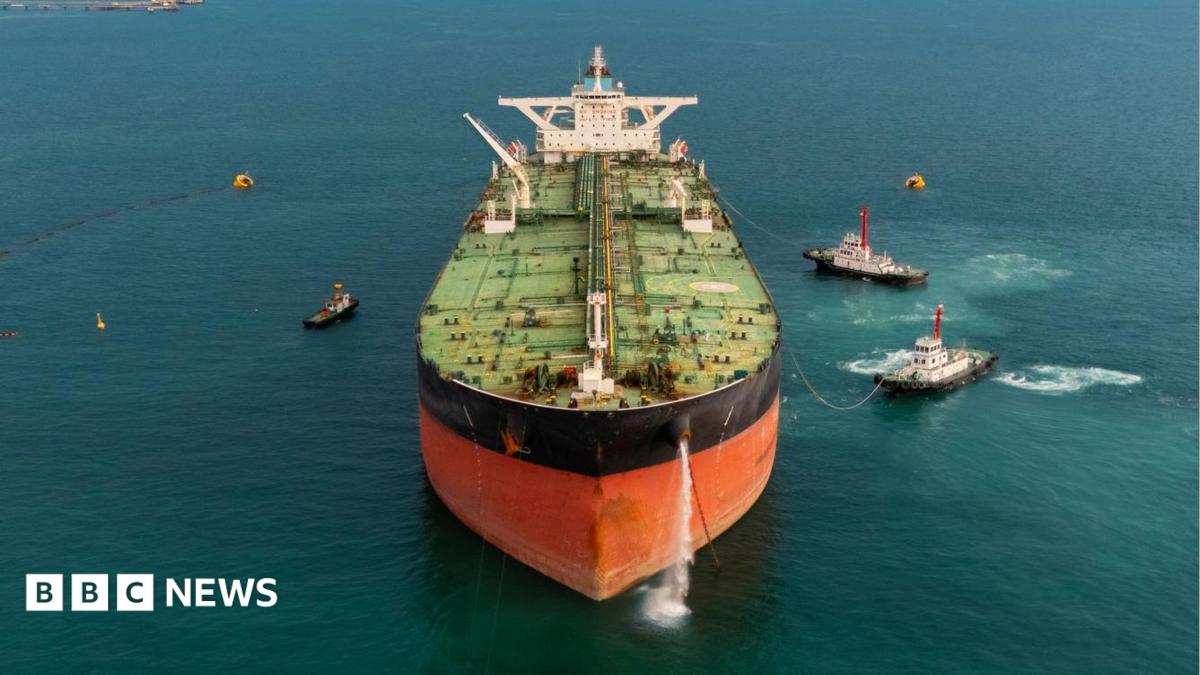
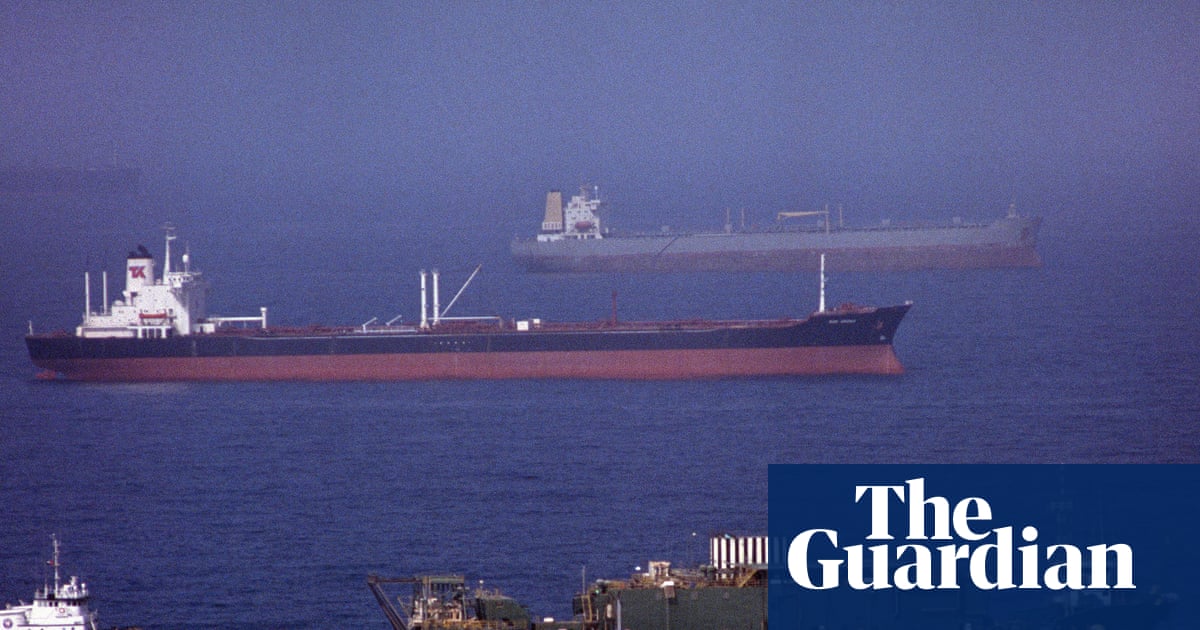
Two counterweights kept the optimism honest. First, Iran denied Trump's claim that peace talks would resume on Monday, raising the prospect of a familiar pattern in which hopes of a deal collapse as Tehran leverages its position over the strait. The United Kingdom Maritime Trade Operations Centre reported three further tanker attacks since Saturday, and traffic through Hormuz slowed. IG's Tony Sycamore warned that the week could turn into a 'rinse and repeat' of last week, with another attack on a tanker or US base re-igniting the entire move. Second, even on the supply side there is little buffer: Opec+ agreed to lift output by about 188,000 barrels a day from September, but the cartel's spare capacity has been eroded by Russian and Kazakh disruptions tied to the Ukraine war and the Gulf export chaos. Pump prices in the UK, where unleaded hit 160.85p and diesel topped 180p, will take time to follow crude lower. The episode is a reminder that, in a war premium environment, the path of least resistance for oil is still higher, and that the market's August calm is conditional on diplomacy holding together for far longer than a single weekend.
Key points
- Brent crude fell as much as 7.3% to $81.55 a barrel after Trump cancelled planned strikes on Iran, with WTI down more than 5% to $79.47.
- Both benchmarks had surged more than 20% in July on US-Iran fighting and attacks on tankers in the Strait of Hormuz.
- European shares opened August higher, with the Stoxx 600 up 0.5% and travel and leisure stocks gaining 2.1%, while energy stocks slid 2%.
- US 10-year Treasury yields fell five basis points to 4.68%, easing from January highs after 30-year yields touched a 19-year peak the prior week.
- Iran denied Trump's claim that peace talks would resume, and UK maritime authorities reported three further tanker attacks since Saturday, leaving the relief rally on a short leash.
If Trump and Tehran genuinely return to the table and the Strait of Hormuz reopens safely, crude could retrace most of its July surge, pulling headline inflation lower and giving central banks room to cut rates. The Opec+ output increase from September would add supply at exactly the right moment, and the parallel rally in European travel and leisure stocks suggests markets are already positioning for a softer energy backdrop.
Tehran has already denied that talks are scheduled, and three more tanker attacks were reported since Saturday, suggesting the ceasefire is rhetorical rather than real. If Iran retaliates against a US base or a vessel, Brent could re-test its July highs above $100, reigniting the inflation scare that pushed 30-year US Treasury yields to a 19-year peak and risking a renewed selloff in risk assets.
Market signals
- OIL Article reports Brent fell 5% to $83.47 after Trump cancelled planned Iran strikes and claimed peace talks would resume.
- OIL Article reports WTI dropped more than 5% to $79.47 on the same Trump-Iran headlines.
- STOXX Article states the pan-European Stoxx 600 index rose 0.5% as falling oil eased inflation fears and travel and leisure shares gained 2.1%.
- AZN Article says the FTSE 100 was dragged back by a negative market reaction to AstraZeneca's reported tie-up talks with US rival Bristol Myers Squibb.
AI-generated analysis of potential market relevance. Not financial advice.