‘Outright theft’: legal experts decry $1.8bn Trump anti-weaponization fund
Legal experts and bipartisan critics say Trump’s new $1.776bn “anti-weaponization” fund is an opaque payoff scheme, and courts have already moved to block it.
Intelligence analysis by GPT-5.4 Mini
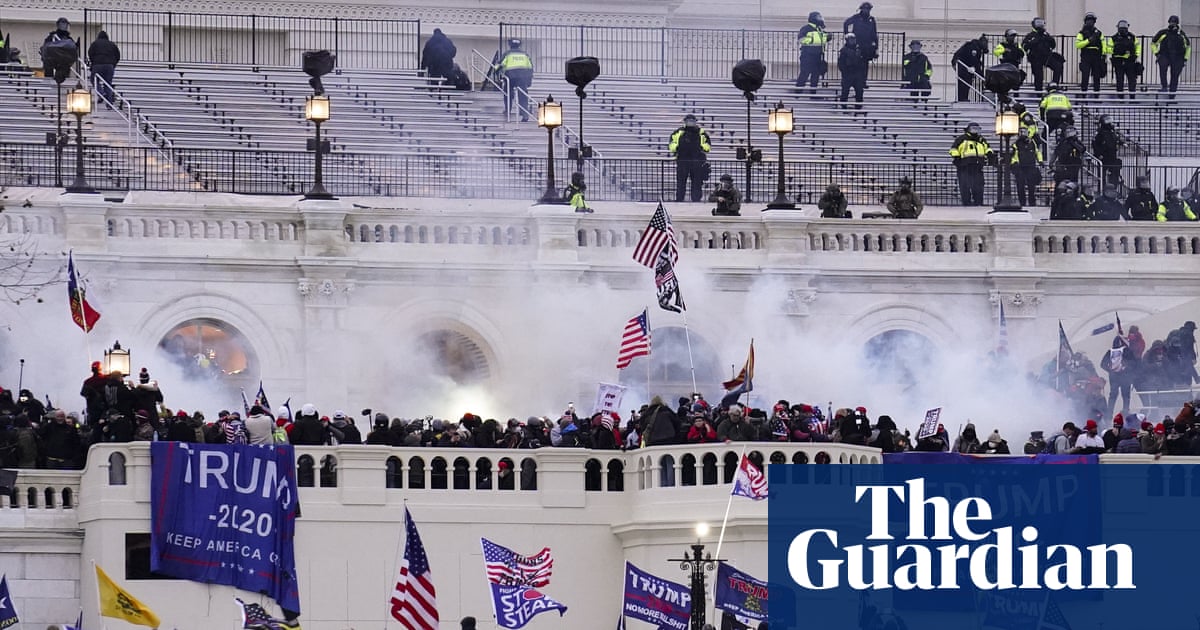
Trump’s justice department created a $1.776bn fund to compensate people claiming government “lawfare” harmed them, but critics call it a corrupt slush fund that could benefit Trump allies, including some Jan. 6 rioters. The fund is now under court challenge and may be stalled before any money is paid.
It is like setting up a giant prize jar, but people argue the rules are fuzzy and the jar may be helping Trump’s friends. A judge has stepped in to stop the money from moving for now.
Analysis
What the fund is
The Guardian says Trump’s Justice Department created a $1.776bn “anti-weaponization” fund to pay alleged victims of government “lawfare.” Acting attorney general Todd Blanche unveiled it on 18 May as part of a settlement of Trump’s $10bn lawsuit against the IRS over a 2019 leak of his tax returns.
Why critics are alarmed
Ex-DoJ officials, legal scholars, and lawmakers from both parties say the setup is opaque and politically tainted. The article quotes former inspector general Michael Bromwich calling it “crazy and corrupt,” arguing that the amount of money, the question of who qualifies, and the lack of transparency make it look like a political payoff. Former deputy attorney general Donald Ayer goes further, calling it “outright theft.”
The court fight
The fund’s legality is now being tested in court. A bipartisan group of 35 former federal judges asked a Miami judge to reopen the IRS case and investigate whether the settlement involved fraud on the court. The judge did reopen the case to examine whether the parties, including the Justice Department, deceived the court. Separately, a Virginia federal judge temporarily blocked further steps to organize or distribute the fund until at least a hearing on 12 June.
What happens next
No money has been paid out yet. The Justice Department says it will abide by the court order, while Trump has defended the plan and said the courts are controlling what happens “at this moment.” The article also says some far-right Trump allies, including Proud Boys leader Enrique Tarrio, have publicly welcomed the fund and signaled they may apply for payments.
Key points
- The Justice Department created a $1.776bn anti-weaponization fund tied to a settlement with Trump over an IRS-related lawsuit.
- Legal experts and former Justice Department officials call the fund opaque, corrupt, or a political slush fund.
- A bipartisan group of 35 former federal judges asked a Miami judge to investigate whether the settlement involved fraud on the court.
- A Virginia federal judge temporarily blocked steps to organize or distribute the fund before a hearing on 12 June.
- No payments have been made yet, and the Justice Department says it will follow the court order.
If the courts keep pressing for scrutiny, the settlement could be forced into a clearer and more accountable process before any money moves. That would reduce the risk of public funds being handed out through a system critics say lacks transparency.
If the fund survives, critics say it could reward people who claim harm from the government while helping Trump allies, including some tied to January 6. The IRS addendum could also shield Trump, his family, and affiliates from scrutiny, weakening trust in enforcement and due process.