Pension Reform: Trade Union Federation Calls for Occupational Pensions for All Employees
Germany's DGB wants mandatory occupational pensions for all workers, with employers helping pay. Yasmin Fahimi says the model should be built through collective bargaining.
Intelligence analysis by GPT-5.4 Mini
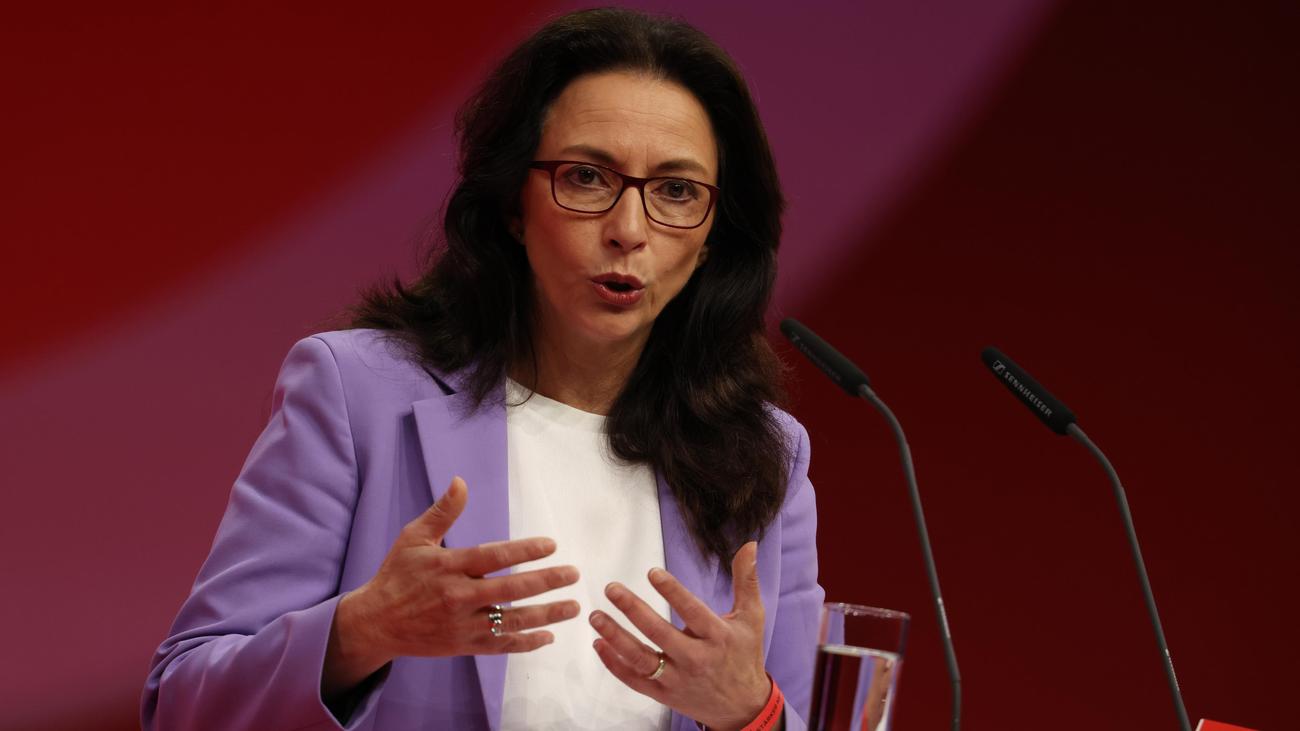
The German Trade Union Confederation is pushing for a pension reform that would add a mandatory company pension on top of the state pension. Its chair says employers must help finance it and that collective agreements are the right framework.
The union wants every worker in Germany to get a second pension pot from their job, not just from the state. It is like adding another safety net under a tightrope so people have more money when they stop working.
Analysis
What the DGB is proposing
The German Trade Union Confederation (DGB) wants a compulsory occupational pension for all employees as part of the planned pension reform. According to DGB chair Yasmin Fahimi, this would be an additional layer of retirement security, not a replacement for the statutory pension.
How it would work
Fahimi said the system should be organized through collective agreements. The unions are prepared to negotiate such arrangements on a collective basis for all workers. For companies without collective bargaining coverage, she said there could be low-threshold ways to include employees in existing models under certain conditions.
Who should pay
Fahimi did not specify the exact split yet, but she made one point clear: employers should be required to contribute. In her view, occupational pensions should not fall one-sidedly on workers, and it would not help to push employees into private insurance products instead.
Why the union is raising this now
Fahimi said about 20 million employees in Germany do not have occupational pensions, usually because they work in firms without collective agreements. She also acknowledged that the idea will likely face criticism because Germany's finances and economy are under strain. Still, she argued that contribution rates in many European countries are already at 20 percent or more, and often the employer share is higher than the employee share.
The DGB plans to present specific details for its proposal by the end of the month.
Key points
- The DGB wants a mandatory occupational pension for all employees in Germany.
- Yasmin Fahimi says employers must help finance the system.
- The union prefers to organize the model through collective agreements.
- Fahimi says about 20 million employees currently lack occupational pensions.
- The DGB plans to present concrete details by the end of the month.
If the plan gains traction, more workers could build up retirement savings through their jobs, including many who currently have none. A collective bargaining-based system could also spread coverage more widely than today, especially in firms without existing pension models.
Employers and critics may resist a new mandatory contribution because it could raise labor costs during a weak economic period. If the details are not designed carefully, the reform could end up creating more complexity without reaching workers in non-unionized companies.