Peru election result close as vote counting continues
Peru’s presidential race is in a statistical tie, with Roberto Sánchez narrowly ahead of Keiko Fujimori as counting continues.
Intelligence analysis by GPT-5.4 Mini
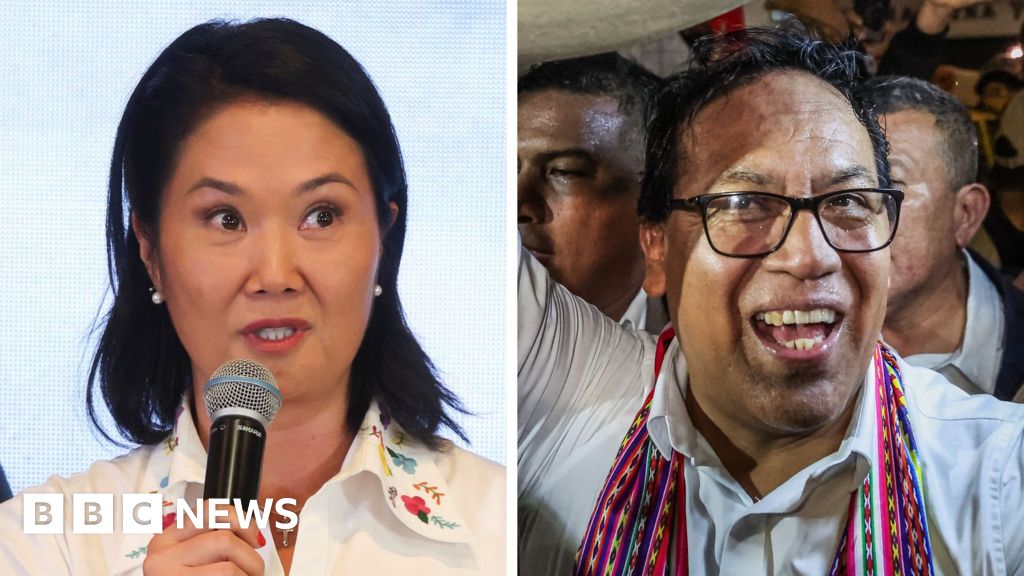
Peru’s election remains too close to call after most votes were counted, with Sánchez edging ahead and Fujimori waiting for the final tallies. Rural ballots, overseas votes, and possible recounts could keep the result uncertain for weeks.
Peru’s election is like a race where the two runners cross the line almost together. One is barely ahead, but judges still need to count more tickets before they can say who really won.
Analysis
A race still unresolved
Peru’s presidential election has narrowed into a statistical tie. With about 94.9% of votes counted, the official tally gave left-wing candidate Roberto Sánchez a tiny lead over right-wing Keiko Fujimori, 50.10% to 49.90%.
The counting has stretched into a second day, and the BBC reports that recounts will likely be needed before a winner can be confirmed. The electoral authority, ONPE, said the full count was expected to be completed by July, which points to a possible long wait before the result is settled.
Why the numbers are moving
Early results and exit polls had Fujimori ahead, especially in Lima and along the coast. But Sánchez has been gaining ground as more ballots from rural regions and the Andes are added. The story also notes that international polling stations, which are expected to lean toward Fujimori, had not yet been counted.
Both candidates are drawing support from very different political instincts. Fujimori is campaigning on a tougher response to crime and instability, while Sánchez is promising broad economic reform, including a bigger state role in natural resources, higher rural investment, tax changes, and a review of mining contracts.
The political backdrop
Crime and instability are central themes in the campaign. Fujimori has leaned into the legacy of her father, former president Alberto Fujimori, while Sánchez has also connected himself to Peru’s recent political turbulence, including his role in Pedro Castillo’s government. The article suggests that this is not just a close count, but another chapter in a familiar pattern of drawn-out Peruvian elections.
Key points
- With 94.9% of votes counted, Roberto Sánchez held a razor-thin lead over Keiko Fujimori.
- Ballots from rural areas and overseas voting are still expected to affect the final result.
- ONPE said the full count could be completed by July, and recounts may be needed.
- Fujimori campaigned on a tough anti-crime agenda, while Sánchez promised sweeping economic reforms.
- The race is unfolding against a backdrop of public concern about crime and political instability.
A complete count and any needed recounts could produce a clear result that both sides accept. That would give Peru a settled outcome after a tense race and reduce uncertainty around the next government.
The count could drag on for weeks, leaving the country in limbo while recounts are checked and disputed. That delay could keep political tension high and add to worries about instability and crime.