Pharma: Eli Lilly and Boehringer Cut Investments
Eli Lilly will halve its Alzey investment, while Boehringer Ingelheim is pausing 900 million euros in planned German spending. Both point to tougher health-policy conditions in Germany.
Intelligence analysis by GPT-5.4 Mini
Two major pharma groups are scaling back planned spending in Germany after criticizing Berlin's health policy course. Eli Lilly is reducing its Alzey project, while Boehringer Ingelheim is freezing investments planned for 2027 to 2030.
Two big medicine companies are slowing down their Germany plans because they think the rules have gotten less friendly. It is like a builder deciding to finish only part of a house because the costs and conditions changed.
Analysis
What happened
Eli Lilly and Boehringer Ingelheim are cutting back planned investments in Germany. The two companies point to the federal government's health-policy direction, especially planned savings measures and higher rebates for pharmaceutical companies.
Eli Lilly in Alzey
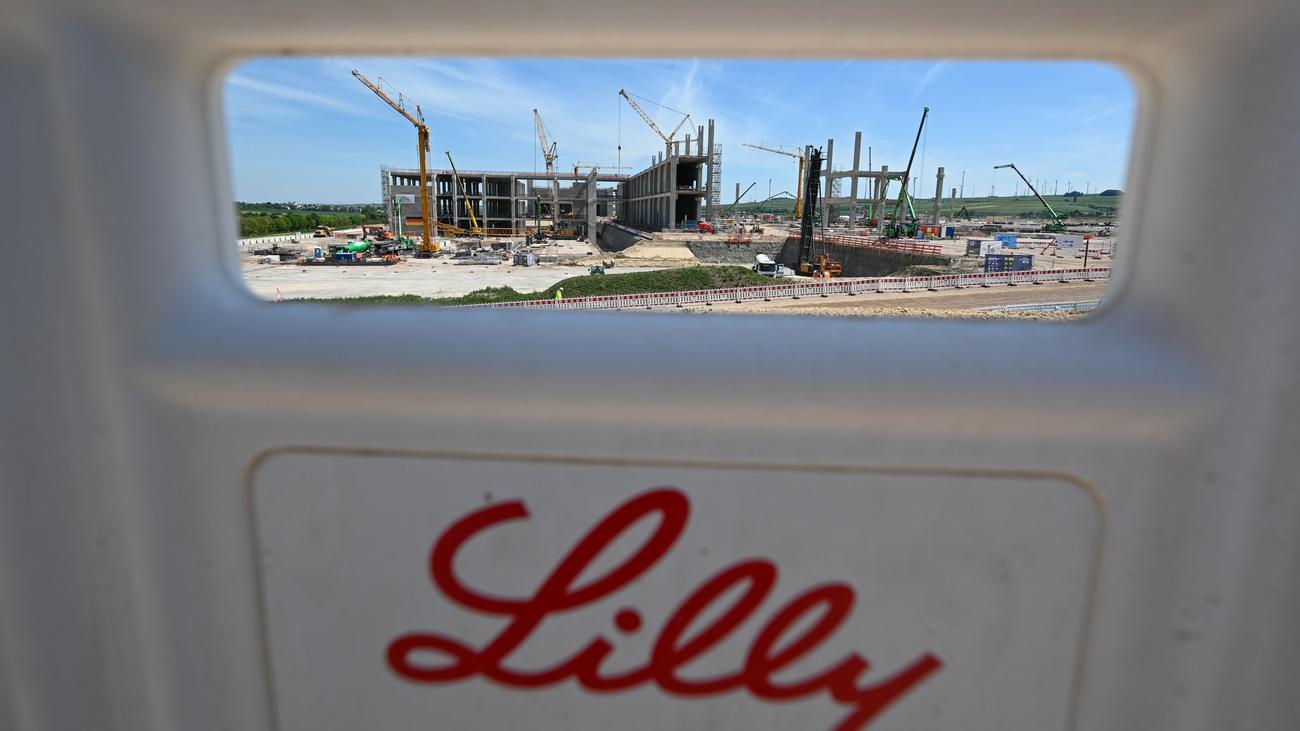
The US drugmaker had planned to invest 2.5 billion US dollars in a new production site in Alzey, Rhineland-Palatinate. Now it says it will reduce the remaining scope of the project by 50 percent compared with the original plan. The article says the shell of the plant is almost complete, interior work is advanced, and 300 employees have already been hired. Earlier plans had called for up to 1,000 specialists. Eli Lilly says it will now finish only the "minimum scope" of the high-tech site, while start-up with reduced capacity is still planned for 2027.
Company chief Dave Ricks called the planned health reform a "terrible signal" in an interview with the Handelsblatt. He said Germany would fall to last place among European markets in terms of support for the industry.
Boehringer's pause
Boehringer Ingelheim says it is stopping planned spending in Germany for 2027 to 2030 worth a total of 900 million euros. The company links the decision to difficult conditions in Germany, including the government's savings plans in health care. It also points to stronger momentum in other markets and growing pressure from the US.
According to Boehringer Deutschland chief Médard Schoenmaeckers, the next innovation is currently not going to Germany. He said the company must keep pace with developments in the US and Asia. The halted spending was mainly intended for infrastructure upgrades at German sites, including new laboratory buildings.
Key points
- Eli Lilly is reducing the remaining scope of its Alzey project by 50 percent.
- Boehringer Ingelheim is stopping 900 million euros of planned German spending for 2027 to 2030.
- Both companies cite difficult German health-policy conditions and higher cost pressure.
- Eli Lilly says the Alzey plant should still open in 2027 with reduced capacity.
- Boehringer says future innovation is currently more likely to go to the US and Asia.
Even after the cuts, Eli Lilly still plans to finish the Alzey site and start operations in 2027, albeit at reduced capacity. Some jobs have already been created there, and the core industrial base remains in place.
Germany could lose part of the investment, jobs, and research activity that these projects were meant to bring. If other pharma groups read the move as a warning, more capital may shift to the US or Asia instead of Germany.