Pope Leo XIV in Spain: Pope Urges Loyalty to International Law
On his first major European trip outside Italy, Leo XIV urged leaders to reject polarizing politics and back peace, education, and international law.
Intelligence analysis by GPT-5.4 Mini
Leo XIV used the opening of his Spain visit to call on governments to avoid dividing society with simplified narratives and to listen to peace appeals. In Madrid, he framed Spain as a place where dialogue across cultures has historically helped create prosperity.
The pope is visiting Spain and telling leaders not to use easy arguments that turn people against each other. He wants them to choose peace, just like a bridge helps people cross a river instead of keeping them apart.
Analysis
What happened
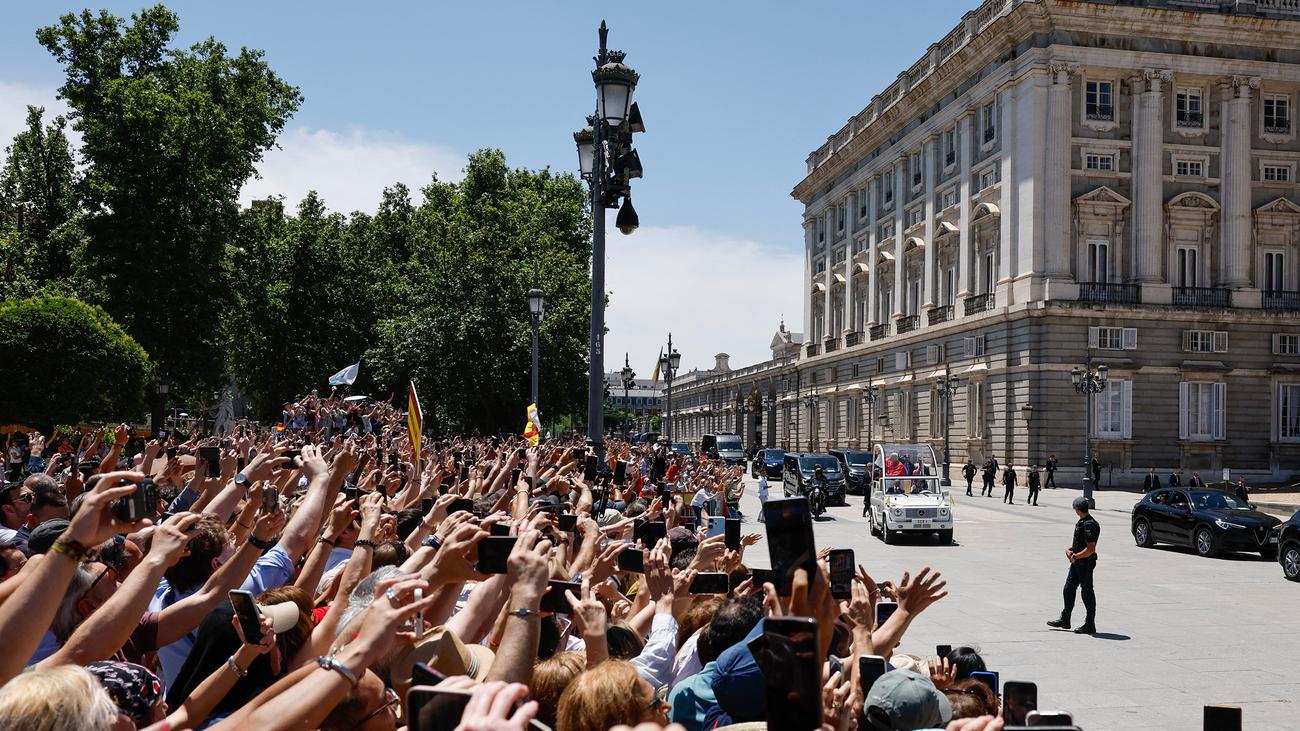
Leo XIV began a week-long visit to Spain with meetings in Madrid, including an audience with King Felipe VI and Queen Letizia. According to the article, he also plans to visit Barcelona and the Canary Islands, and to meet homeless people during the trip.
Main message
In his address, the pope urged political leaders to avoid what he called "sterile simplifications" that split people for the sake of popularity. He said the world was longing for peace, even if that message can sound naive to some and provocative to others in the current climate.
He linked that appeal to Spain's own history. Without naming any party or region directly, he said the country should balance demands for autonomy and unity, and he pointed to the need to advance European integration as a contribution to the wider human family. He also warned that the digital age can intensify prejudice while weakening critical thinking.
Broader framing
The article presents the trip as Leo XIV's first visit to a larger European country outside Italy since becoming pope in May of the previous year. It also notes the scale of the event: hundreds of thousands are expected at outdoor gatherings, and more than 14,000 police officers are deployed in Madrid for security.
King Felipe VI praised the pope's stance against sexual abuse in the Church before Leo's speech. The overall picture is of a papal visit that mixes religious symbolism, social messaging, and diplomatic signaling.
Key points
- Leo XIV opened his Spain trip by urging leaders not to divide people with simplified, polarizing narratives.
- He said the world is searching for peace, even if that message can sound naive or provocative today.
- In Madrid, he linked Spain's history to dialogue among Christians, Muslims, and Jews.
- He called for more investment in education, research, and civil society, and warned about prejudice in the digital age.
- The trip includes Madrid, Barcelona, and the Canary Islands, with large crowds and heavy security expected.
If Leo XIV's message lands, it could strengthen calls for calmer politics, better education, and more respect for differences. His appeal to dialogue across religions and communities could also support Spain's image as a place where unity and diversity can coexist.
The speech could be dismissed as idealistic in a tense political climate, especially if leaders prefer sharper division over compromise. If the concerns he raised about polarization and weakened critical thinking are not addressed, the visit may remain symbolic rather than changing behavior.