Reactions to Germany's Failed UN Election Bid
Germany lost its bid for a UN Security Council seat, drawing sharp criticism from opposition and coalition voices alike.
Intelligence analysis by GPT-5.4 Mini
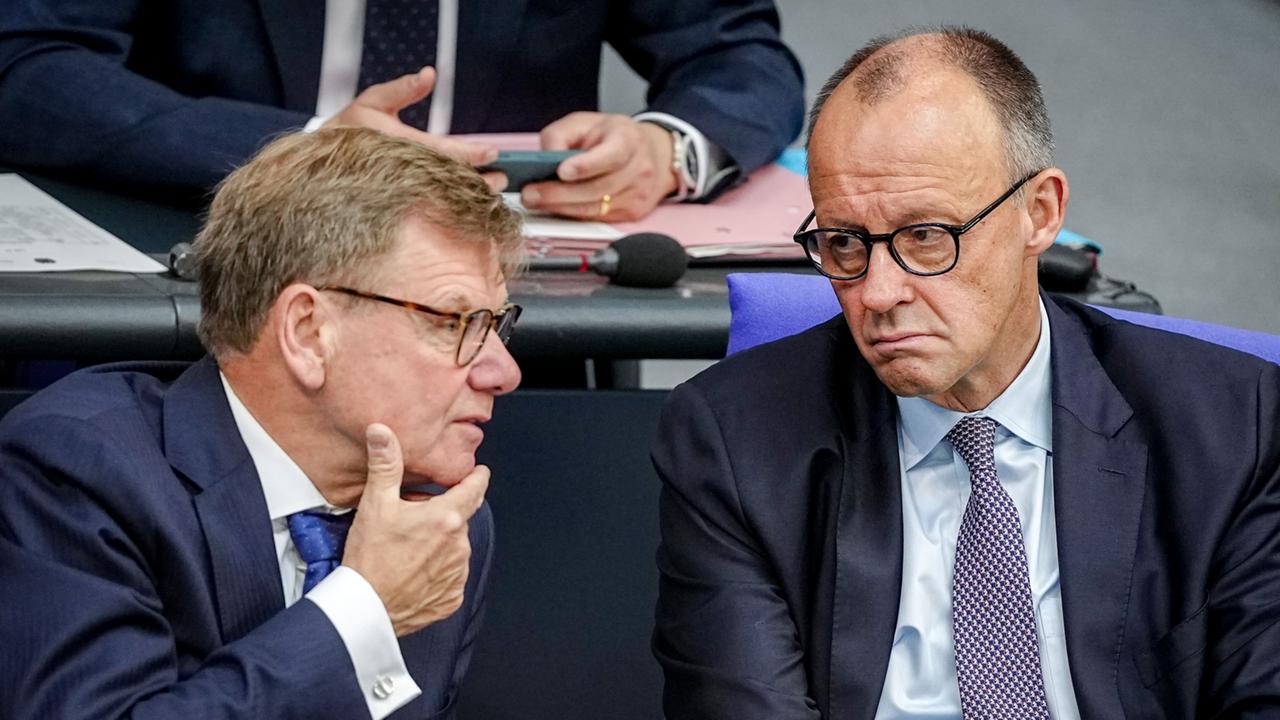
After Germany was clearly defeated in the UN General Assembly vote in New York, politicians across the spectrum blamed the government for a weak foreign policy and poor campaign. Foreign Minister Johann Wadephul called it a “heavy defeat” but said he bore no personal blame.
Germany tried to get a seat on the UN's big decision-making council, but lost. It is like running for class captain and not getting enough votes, so now people in Berlin are arguing about what went wrong and who is to blame.
Analysis
What happened
Germany failed in its campaign for a non-permanent seat on the UN Security Council, losing clearly to Portugal and Austria in the vote in New York. The result was narrower than expected in the sense that many had anticipated a close race, but the final outcome was still a clear defeat for Germany.
Political fallout in Berlin
The reaction in Germany was immediate and unusually broad. Critics from the Greens, the Left Party, the AfD, and even the governing coalition argued that the result reflected weaknesses in the government's foreign policy.
Green politician Agnieszka Brugger said the defeat belonged to Chancellor Friedrich Merz and Foreign Minister Johann Wadephul, arguing that the government had done too little to give the candidacy a modern profile. Deborah Düring, also of the Greens, said the government had too often defended international law only when it was politically convenient, and she pointed to cuts in humanitarian aid and development cooperation.
Left Party leader Ines Schwerdtner called the result a defeat for the so-called foreign-affairs chancellor Merz. She said Germany had stayed quiet in key conflicts and had not clearly named violations of international law, citing Gaza, Venezuela, and Iran. She described this as a double standard.
From the AfD, foreign-policy spokesman Markus Frohnmaier called the outcome the result of years of what he described as ideological and unrealistic foreign policy. He used the defeat to renew his party's demand for reform of the UN, including a permanent German seat and a review of German UN contributions.
Criticism from coalition parties too
The criticism was not limited to the opposition. SPD foreign-policy spokesman Adis Ahmetovic called the non-election a warning sign and said Germany should ask what signals it has sent in recent years. SPD deputy parliamentary leader Siemtje Möller said the government should take a clearer line in international conflicts and name violations of international law regardless of who commits them.
CDU/CSU foreign-policy spokesman Jürgen Hardt said much work had been done in recent months, but it came too late. He also suggested that Germany's clear positions on Ukraine, NATO, and Israel may have cost votes, while Austria could present itself as more neutral.
Wadephul's response
Wadephul called the result a “heavy defeat” and said it would require a deep analysis. He said he had considered whether to face personal consequences if Germany failed, but had decided against that. Still, he said he had no personal blame to carry and wanted the foreign ministry's work to continue strongly for German foreign policy and the country's engagement at the UN.
Key points
- Germany lost its bid for a UN Security Council seat in a clear vote in New York.
- Opposition parties blamed Chancellor Friedrich Merz and Foreign Minister Johann Wadephul for the outcome.
- SPD and CDU/CSU politicians also said the result should trigger a hard look at Germany's foreign-policy messaging.
- Wadephul called the result a heavy defeat but said he had no personal blame and would continue the work.
- Some lawmakers suggested Germany's positions on Ukraine, NATO, and Israel may have cost votes.
The defeat could force a serious review of how Germany argues for its positions abroad. If the government adjusts its messaging and diplomacy, it may strengthen its chances in future international bids and rebuild trust with partners.
If the government treats the result only as a talking point, the credibility problem could deepen. Continued criticism over double standards, late campaigning, or unclear foreign-policy signaling may make it harder for Germany to win support in future votes.