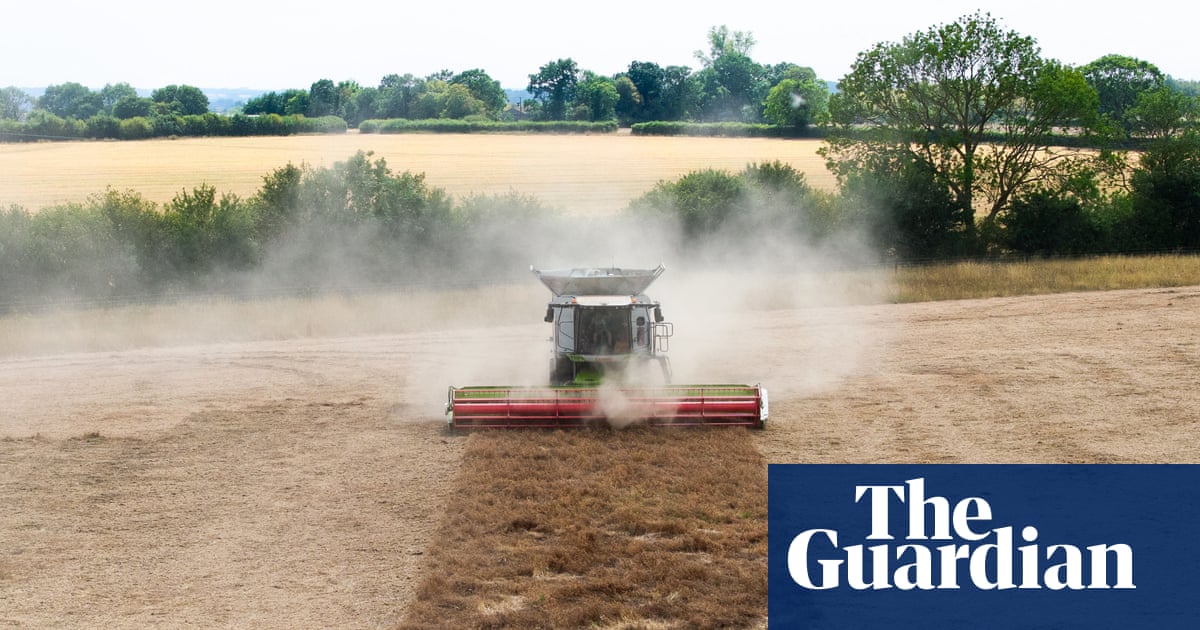
Running dry: drought-hit UK sporting venues and parched pitches – in pictures
Drought conditions are severely impacting UK sporting venues, with football pitches, cricket grounds, and golf courses suffering from parched, dry grass. Aerial and ground-level images reveal the extent of the damage across England and Wales.
Intelligence analysis by Gemini 2.5 Flash Lite
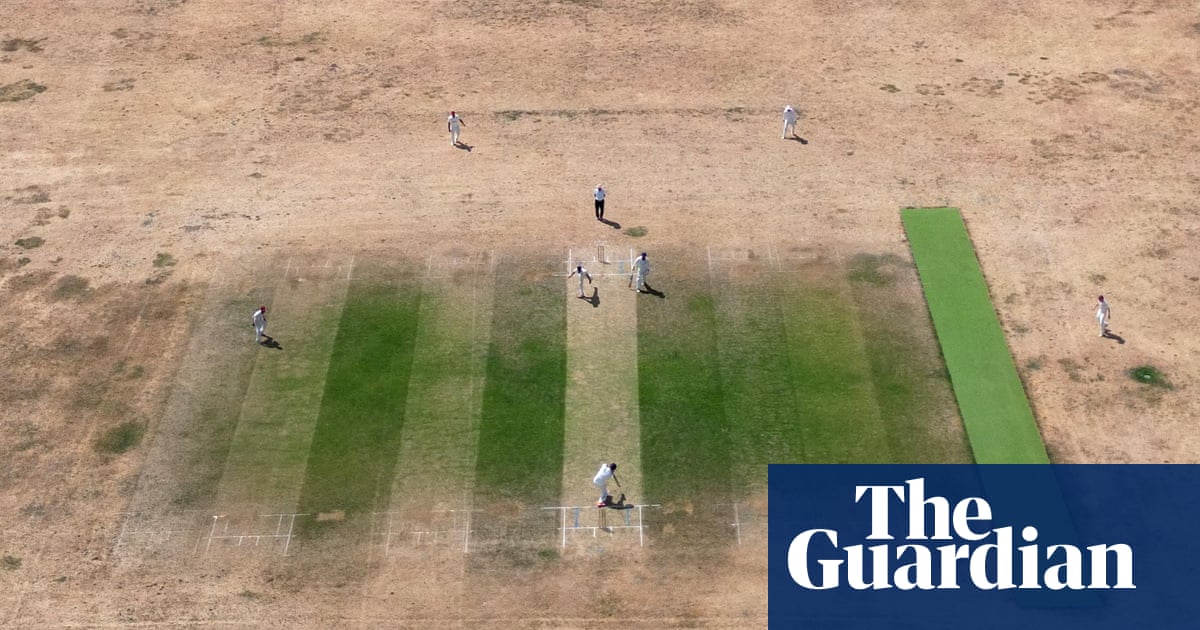
The UK is experiencing significant drought, leading to widespread parching of sports pitches. Images showcase the stark contrast between normally verdant playing surfaces and the current dry, yellowed landscapes, affecting various sports from football and cricket to golf and parkruns.
Imagine your favorite park is usually green and soft, but because there's been no rain for a long time, it's turned yellow and hard like a desert. This is happening to sports fields in the UK, making it tough for people to play football, cricket, and golf safely and enjoyably.
Analysis
Parched Pitches
The visual evidence presented in the article paints a stark picture of the United Kingdom grappling with severe drought conditions, with sporting venues bearing the brunt of the dry spell. From the iconic Hackney Marshes in east London to the King Power Polo pitch in Berkshire, and numerous football and cricket grounds across Buckinghamshire, Hampshire, and North Wales, the transformation from lush green to arid brown is dramatic. These images are not merely aesthetic observations; they represent a significant economic and operational challenge for sports clubs and governing bodies. The cost of maintaining playable surfaces, especially during prolonged dry periods, can be substantial, involving extensive irrigation, reseeding, and potentially artificial solutions. For many amateur and semi-professional clubs, already operating on tight budgets, these additional expenses can be prohibitive, threatening their ability to host matches and maintain membership.
Impact on Play and Participation
The condition of these pitches directly affects the quality of sport played and the safety of participants. Hard, dry surfaces increase the risk of injuries for athletes in sports like football and rugby, where quick changes in direction and impact are common. For cricket, the dryness can alter ball bounce and spin, impacting game dynamics. Golf courses, too, are visibly affected, with fairways and rough areas turning brown, while artificial surfaces, like the hockey pitch at Marlow Hockey Club, stand in stark contrast to their desiccated natural surroundings. This degradation of playing surfaces can lead to reduced participation, as players may be deterred by the poor conditions or the increased risk of injury. Furthermore, it impacts spectator experience and the broader appeal of sports that rely on well-maintained grounds.
Economic and Environmental Considerations
The widespread drought and its effect on sports venues underscore a broader economic and environmental crisis. The reliance on water for maintaining these recreational spaces raises questions about resource allocation, particularly during periods of scarcity. While sports venues are important for physical and mental well-being, their water consumption must be weighed against other essential needs. The images serve as a potent visual reminder of the increasing frequency and intensity of extreme weather events linked to climate change. This necessitates a long-term strategic response from sports organisations, potentially involving investment in drought-resistant turf, water-saving irrigation technologies, and a re-evaluation of water usage policies. The economic implications extend beyond maintenance costs, potentially affecting venue hire, event hosting, and the overall sports tourism sector if conditions persist.
Key points
- Drought conditions have severely parched sporting venues across the UK.
- Football pitches, cricket grounds, and golf courses are visibly affected by the dry weather.
- The dry conditions pose risks to player safety and impact the quality of sport.
- Maintaining playable surfaces is becoming increasingly costly and challenging for sports clubs.
- The situation highlights the broader economic and environmental impacts of climate change on recreational infrastructure.
The current drought conditions may spur innovation in water management and turf technology for sports venues, leading to more sustainable practices. Increased awareness could also drive investment in drought-resistant grasses and efficient irrigation systems, ensuring sports can continue even with less rainfall.
Prolonged and worsening drought could render many natural turf sports pitches unplayable, leading to significant financial strain on clubs and potentially forcing the cancellation of matches and seasons. This could result in a decline in sports participation and a loss of community facilities.