Russian families use AI to 'resurrect' loved ones killed in Ukraine
Russian families are using AI-made videos to reunite with relatives killed or missing in Ukraine, turning grief into a growing online service.
Intelligence analysis by GPT-5.4 Mini
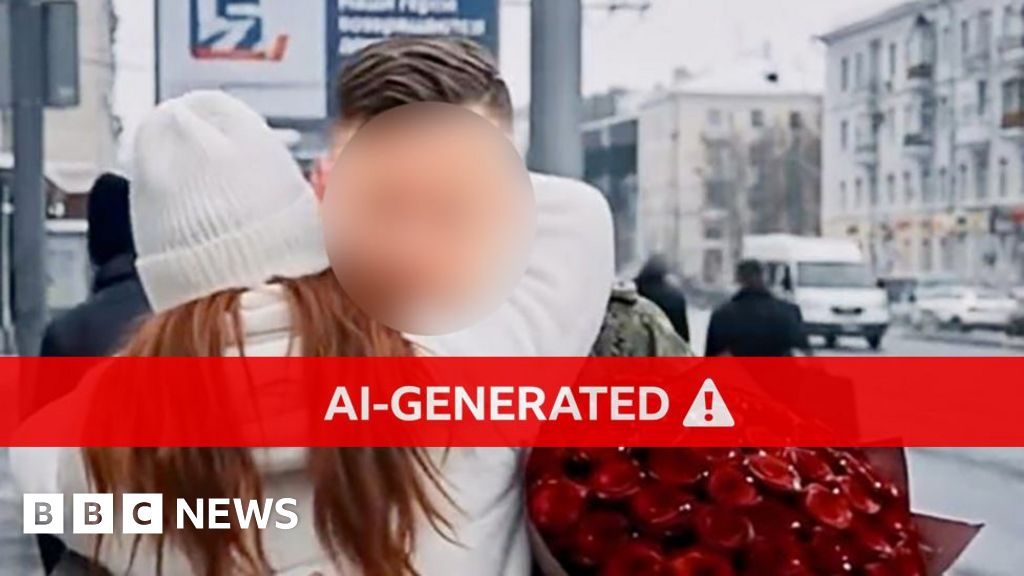
BBC Russian reports that AI-generated farewell clips of soldiers killed in Ukraine are spreading across Russian social media. Supporters see them as a way to mourn; critics call them disturbing and politically loaded.
Some people in Russia are using computer-made videos to show soldiers coming home or saying goodbye after they died in Ukraine. It is like making a fake family movie to help with sadness, but many people think it feels creepy and wrong.
Analysis
What is happening
BBC Russian describes a fast-growing trade in AI-generated photos and videos that portray Russian soldiers as returning home, embracing family members, or ascending into heaven after death. The clips are often commissioned by relatives of men killed or missing in Ukraine, and some are even used at funerals.
Creators such as Katya Jin and Anna Korableva sell the service through social media. According to the article, the videos follow a recognizable formula: a soldier in uniform returns to loved ones, sometimes with angels, a staircase to the sky, or a final message. The article says some families find the result comforting, while others see it as exploitative or grotesque.
Why it is controversial
The piece stresses that the war itself is usually left out of the imagery. Instead, the soldiers are framed as heroes and the emotional focus stays on reunion, farewell, and sacrifice. That makes the content more than a personal keepsake: it also works as a way to shape how the war is remembered.
A researcher quoted by the BBC says the long-term psychological and social effects are still unclear. The article also notes that when such tools are used for political goals or propaganda, grief can be turned into something strategic and manipulative.
The bigger picture
The BBC says reactions are sharply divided. Some viewers say the clips moved them to tears; others call them unethical or deeply disturbing. The story suggests that AI is now being used not only to create fake images, but to manufacture public emotion around war, loss, and national identity.
Key points
- Russian families are commissioning AI-generated videos of soldiers killed or missing in Ukraine.
- The clips often show reunion scenes, heavenly staircases, angels, or final messages.
- Some families and viewers find the videos comforting, while others call them unethical or grotesque.
- The BBC says the war itself is often erased from the imagery, making the videos politically loaded.
- Researchers say the long-term effects of this kind of digital grieving are still unknown.
If handled carefully, the videos could give some grieving families a sense of farewell they never got in real life. The article suggests that, for some people, the clips offer a small measure of comfort and connection.
The same technology can turn grief into propaganda by hiding the war and painting the soldiers only as heroes. The article also says the psychological and social effects are still unclear, and many viewers find the practice unethical or disturbing.