Science Espionage: Government Keeps Visa Rejections for Chinese Researchers Secret
The German government classifies data on rejected research visas for Chinese scientists as secret, citing fears of diplomatic conflict, amidst growing concerns about science espionage and the need for robust research security measures.
Intelligence analysis by Gemini 2.5 Flash
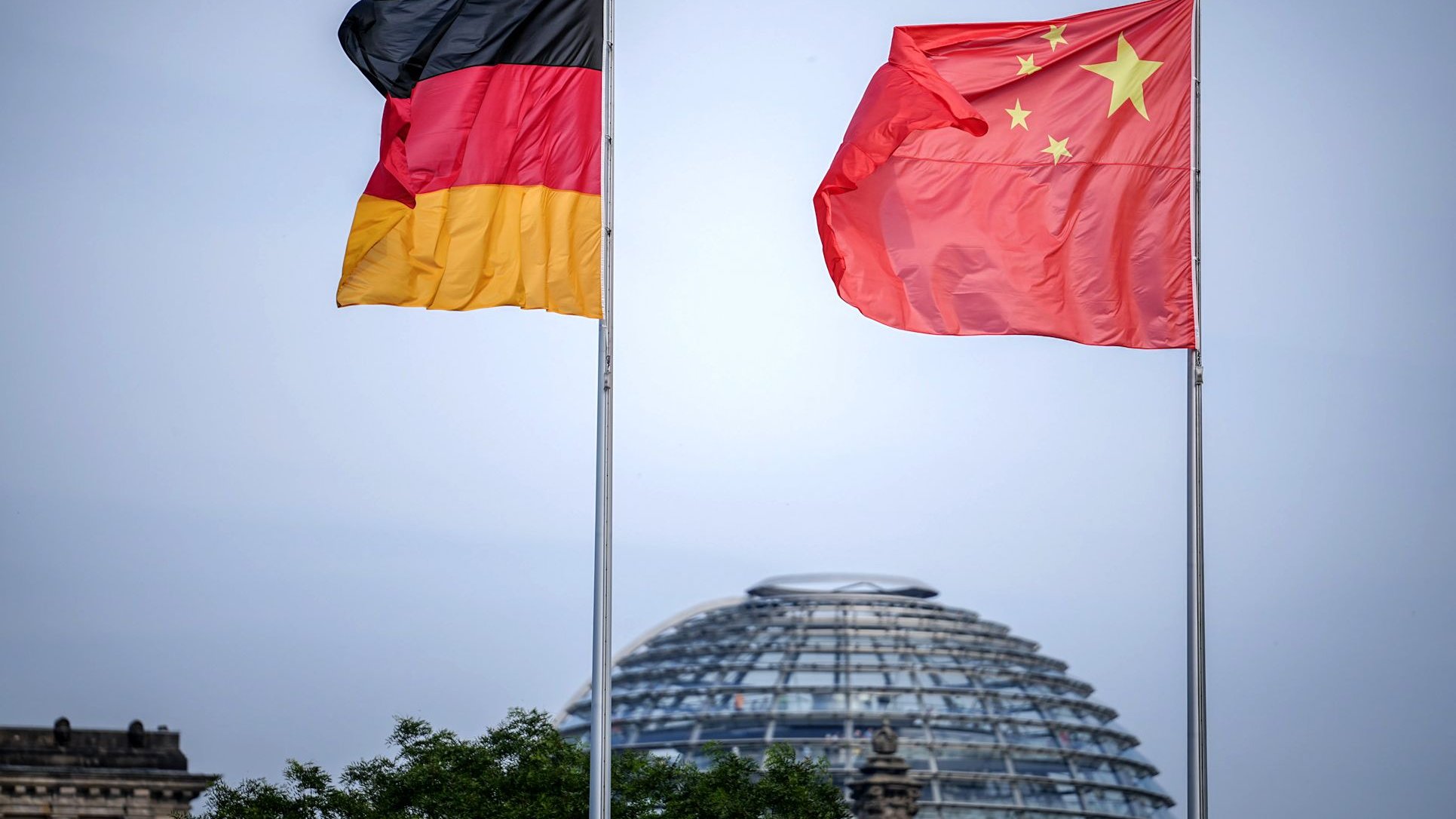
The German government is withholding specific figures on rejected research visa applications from Chinese scientists, arguing that their publication could lead to diplomatic disputes. This lack of transparency is criticized by politicians amid increasing warnings about science espionage and the need for clearer guidelines on research collaborations with entities from authoritarian sta…
Imagine Germany wants to invent cool new things, but some other countries try to sneakily learn their secrets, especially about science. Germany's government is keeping secret how many scientists from one country, China, they've stopped from coming because they're worried about spies. They say telling everyone might make other countries angry, but some people think it's important to be open so everyone knows how to keep secrets safe.
Analysis
Secrecy Amidst Espionage Concerns
The German government's decision to classify data on rejected research visas for Chinese scientists as "secret" ("Nur für den Dienstgebrauch") has sparked criticism and raised questions about transparency. The Foreign Office justifies this secrecy by stating that publishing such figures could lead to "improper conclusions" and diplomatic conflicts, drawing parallels to a past dispute with Turkey. This stance suggests a prioritization of diplomatic stability over public disclosure regarding sensitive national security matters.
However, this lack of transparency makes it difficult to assess the true extent of security concerns related to foreign researchers and whether current measures are effective. Critics argue that without clear data, it's challenging to develop a coherent strategy against science espionage while upholding principles of academic freedom. The government's reluctance to provide specific numbers fuels the debate on how Germany can protect its technological edge without alienating legitimate researchers.
The Growing Threat of Science Espionage
The classification decision comes against a backdrop of heightened warnings from German security experts regarding science espionage, particularly from China. Institutions like the Helmholtz-Zentrum für Informationssicherheit (Cispa) and the Technical University of Munich have faced scrutiny over collaborations with Chinese entities, some with military ties. The Bavarian Office for the Protection of the Constitution specifically highlights China's interest in strategic fields like aerospace and dual-use technologies, which have both civilian and military applications.
These warnings underscore a systemic vulnerability within Germany's research landscape, where open academic environments can be exploited for intelligence gathering. University leaders are now demanding clearer guidelines and support from security authorities for risk assessments, emphasizing that collaborations with military universities in national security-relevant areas should be off-limits. This indicates a growing awareness of the need for more robust protective measures.
Calls for a Differentiated and Transparent Approach
Green Party MP Marcel Emmerich has strongly criticized the government's lack of "binding protection standards, sufficient advice, and an effective security strategy against science espionage." He argues that the government's silence on visa rejections prevents a nuanced discussion on how to differentiate between legitimate researchers and those engaged in espionage. Emmerich stresses the delicate balance required: avoiding general suspicion of individuals based solely on nationality, while simultaneously taking the systematic espionage efforts of authoritarian states seriously.
The Foreign Office has only released figures on processed research visa applications for Chinese nationals, showing a significant increase from 2021 to 2024 before a slight decline. This data, however, does not reveal how many applications were rejected due to security concerns. The ongoing debate highlights the urgent need for the German government to develop a transparent and comprehensive strategy that protects national interests without compromising Germany's reputation as an open hub for international scientific collaboration.
Key points
- The German government classifies data on rejected research visa applications for Chinese scientists as secret.
- The Foreign Office justifies this secrecy by citing fears of diplomatic conflicts and "improper conclusions."
- This decision comes amid heightened concerns about science espionage, particularly from China, targeting strategic and dual-use technologies.
- German research institutions, including Cispa and TU Munich, have faced scrutiny over collaborations with Chinese entities, some with military ties.
- Green Party MP Marcel Emmerich criticizes the government for lacking a clear security strategy and calls for a differentiated approach to foreign researchers.
- Only figures on processed research visa applications for Chinese nationals are published, showing an increase in recent years but no data on rejections.
The increased scrutiny and public debate could lead to the development of clearer, more effective guidelines for research security, allowing Germany to protect its innovations while maintaining beneficial international scientific collaborations. A more transparent approach, as advocated by some politicians, could also foster greater trust and a more nuanced understanding of the risks involved.
The government's continued secrecy regarding visa rejections could hinder the development of a comprehensive and publicly supported strategy against science espionage, potentially leaving German research institutions vulnerable. This lack of transparency might also strain international academic relations and lead to accusations of discrimination, complicating Germany's role in global scientific exchange.