Shanghai synergises computing centres with grid in power infrastructure upgrade
Shanghai has successfully conducted a national-first trial integrating computing centers with its power grid to manage peak electricity demand, reducing load by 97.8 megawatts.
Intelligence analysis by Gemini 2.5 Flash
In a significant move for China's AI ambitions, Shanghai's State Grid subsidiary led a trial where 16 data centers, including Alibaba and China Telecom, coordinated with the power grid to adjust their energy consumption. This initiative aims to transform energy-intensive AI data centers into flexible assets that can scale operations based on grid stability and green energy availabilit…
Imagine a big city where many powerful computers, like super-brains, are always working hard, using lots of electricity. Sometimes, everyone in the city uses too much power at once, which can strain the electricity system. Shanghai found a clever way to make these super-brains talk to the city's power grid. When the grid is stressed, the super-brains can temporarily slow down or use their own backup power, like a smart home system that turns off some lights when everyone is using the microwave and oven at the same time, to make sure the power doesn't go out. This helps the city keep its electricity flowing smoothly, especially as more and more super-brains are needed for new technologies like AI.
Analysis
Shanghai's Pioneering Grid Integration
Shanghai has achieved a significant milestone by becoming the first Chinese city to successfully implement a comprehensive computing-grid coordination trial. This initiative, spearheaded by State Grid's local subsidiary, represents a national first in synergizing data centers with the power grid for peak-load management. The trial demonstrated a substantial reduction of 97.8 megawatts within a two-hour window, an adjustment equivalent to simultaneously powering down nearly 140,000 Nvidia H100 GPUs, each consuming up to 700 watts. This scale underscores the potential impact of such coordination on national energy consumption and grid stability.
The participation of major industry players, including e-commerce giant Alibaba Group Holding, China Telecom's Shanghai branch, and data center firm GDS Holdings, highlights the collaborative effort required for such an ambitious project. This collective engagement signals a broader commitment from both state-owned enterprises and private firms to align with national strategic objectives concerning energy efficiency and technological advancement. The success of this trial provides a robust blueprint for other cities and regions in China to follow, potentially revolutionizing how large-scale computing infrastructure interacts with national energy systems.
Technical Mechanisms of Load Management
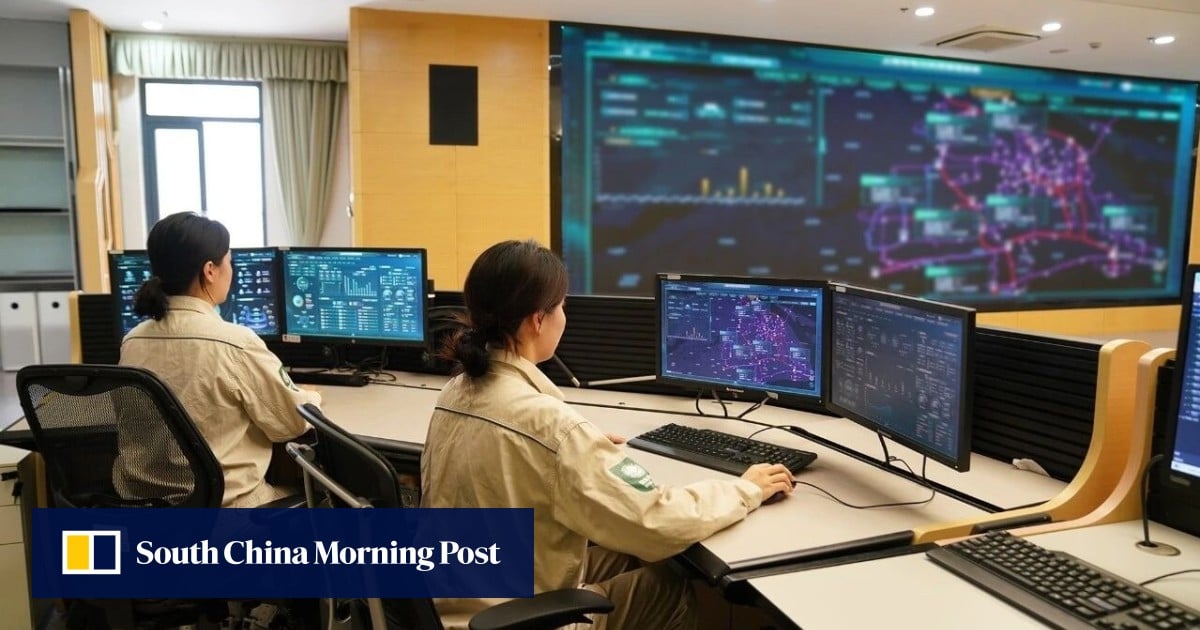
The core objective of computing-grid coordination is to transform energy-intensive AI data centers into flexible 'shock absorbers' for the power grid. This involves a sophisticated technical pipeline that allows the grid system to dispatch instructions to data centers, enabling them to ramp up energy-intensive training during periods of green energy surpluses and, crucially, to scale back operations to shave peak demand during times of grid strain. The Shanghai trial successfully ran through this entire technical process simultaneously, a first for a Chinese city.
Key mechanisms employed during the trial included modulating the data centers' operational power usage, switching to backup diesel generators when necessary to maintain critical operations while reducing grid reliance, and strategically shifting computing tasks to other regions to ease local load. This multi-faceted approach demonstrates a sophisticated understanding of both energy management and distributed computing, allowing for dynamic adjustments that optimize both power consumption and service continuity. The ability to seamlessly integrate these technical solutions is vital for the long-term viability and scalability of such initiatives across China.
Strategic Implications for China's AI Future
Shanghai's pioneering trial comes at a critical juncture as China faces an escalating surge in power consumption, largely driven by the intense global artificial intelligence race. Policymakers in China are increasingly viewing computing power not merely as a resource owned by private firms but as a national utility, akin to electricity or water. This shift in perspective underscores the strategic importance of ensuring stable, efficient, and sustainable access to computing resources for national development and technological competitiveness.
By optimizing the energy footprint of its burgeoning AI infrastructure, China aims to mitigate potential energy crises and ensure that its rapid advancements in AI are not hampered by power supply limitations. This coordination also aligns with broader national goals of achieving carbon neutrality and promoting green development. The successful implementation and potential nationwide rollout of such a system could provide China with a significant advantage in managing the energy demands of its AI ambitions, fostering a more resilient and sustainable digital economy while solidifying its position in the global AI landscape.
Key points
- Shanghai pioneered a national-first trial integrating computing centers with the power grid for peak-load management.
- The trial achieved a 97.8-megawatt peak load reduction, equivalent to powering down nearly 140,000 Nvidia H100 GPUs.
- 16 data center operators, including Alibaba and China Telecom, participated in the successful coordination.
- The initiative aims to transform AI data centers into flexible 'shock absorbers' for the grid, optimizing energy use.
- China views computing power as a national utility, crucial for managing surging power consumption driven by the global AI race.
This successful trial could lead to more efficient energy use across China's rapidly expanding AI infrastructure, ensuring grid stability and reducing the environmental impact of data centers. It could accelerate China's AI development by providing a more reliable and sustainable power supply for advanced computing, fostering innovation and economic growth.
Implementing such complex coordination nationwide could face significant technical and logistical challenges, including ensuring seamless communication between diverse data center operators and the grid. There's also a risk of service disruptions if the load adjustments are not managed perfectly, potentially impacting critical AI operations or user experiences.