The homeowners selling up for a life on Yorkshire's waterways
A growing number of people are choosing to swap their houses for a life on the water, citing the need to cut costs and live an adventure. The BBC spoke to several homeowners who have made the move, including Ken Tracey, who spent £75,000 on his boat and a further £20,000 …
Intelligence analysis by Llama
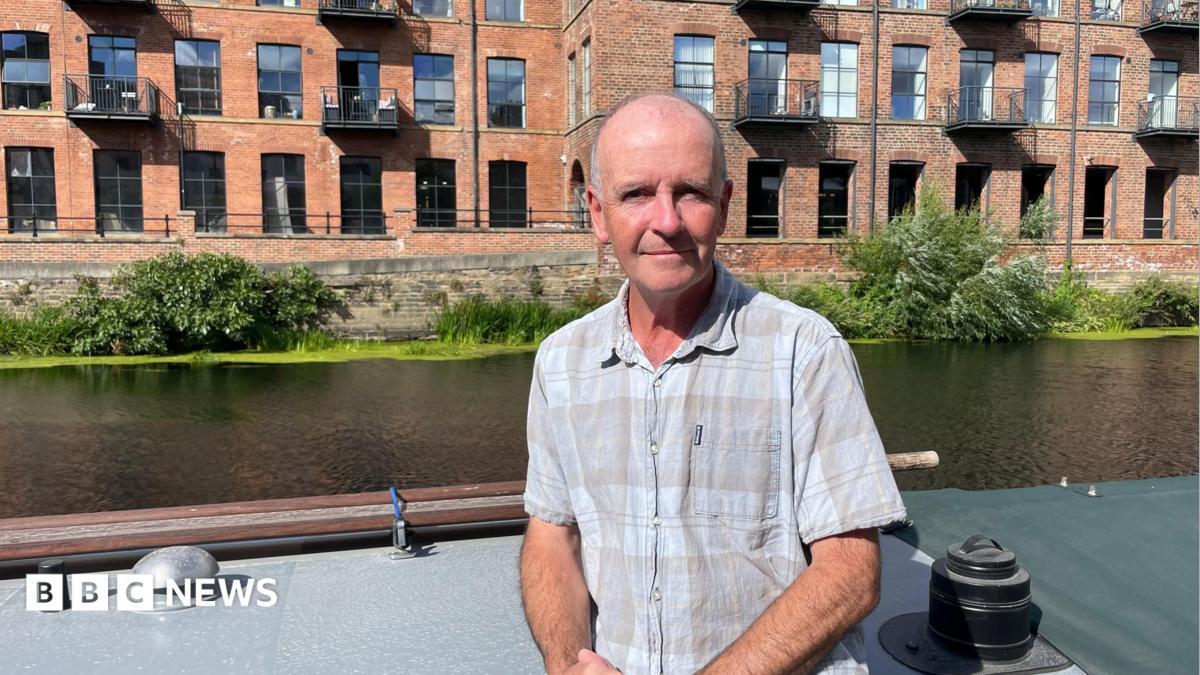
As the cost of living crisis bites, some people are choosing to swap their houses for a life on the water. We spoke to several homeowners who have made the move, including Ken Tracey, who spent £75,000 on his boat and a further £20,000 on unforeseen maintenance.
Imagine you have a big house, but you want to live on a boat instead. You can do that! Some people are choosing to swap their houses for a life on the water because it's cheaper and they can live an adventure. But it's not always easy, and you have to be prepared for the challenges of living on a boat.
Analysis
A Growing Trend of People Swapping Houses for Boats
The cost of living crisis has led to a growing number of people choosing to swap their houses for a life on the water. This trend is not limited to any particular age group or location, and it highlights the need for people to find alternative ways to live and cut costs. The BBC spoke to several homeowners who have made the move, including Ken Tracey, who spent £75,000 on his boat and a further £20,000 on unforeseen maintenance.
The Challenges of Living on a Boat
Living on a boat can be a challenging experience, especially for those who are new to it. The Canal and River Trust's annual Boaters' Survey for 2026 found that just over a third of respondents in Yorkshire and the North East used their boat as a permanent home, while just under half used it as a temporary home. This suggests that living on a boat is not for everyone, and it requires a lot of planning and preparation.
The Benefits of Living on a Boat
Despite the challenges, many people who have made the move to living on a boat say it has been a positive experience. They enjoy the freedom and flexibility that comes with living on the water, and they appreciate the sense of community that exists among boaters. Ken Marshall, who has owned his boat Willow for about eight years, says he has 'no regrets whatsoever' about his decision to sell his house and move onto the water. He enjoys the sense of community and the ability to choose his surroundings.
The Future of Living on Boats
As the trend of people choosing to swap their houses for a life on the water continues to grow, it is likely that we will see more people making the move in the future. However, it is also important to consider the challenges and benefits of living on a boat, and to make sure that people are well-prepared for the experience.
Key points
- A growing number of people are choosing to swap their houses for a life on the water.
- The cost of living crisis is a major factor in this trend.
- Living on a boat can be a challenging experience, but it also offers many benefits.
- The sense of community among boaters is a major advantage of living on a boat.
- The trend of people choosing to live on boats is likely to continue growing in the future.
If more people choose to live on boats, it could lead to a more sustainable and environmentally-friendly way of living. Boats can be powered by renewable energy sources, and living on the water can reduce the need for large houses and cars.
If the trend of people choosing to live on boats continues to grow, it could lead to a shortage of mooring spaces and increased competition for resources. This could make it difficult for people to find a place to live on the water.