The letter that tore the mask off US occupation of Jordan
Hundreds of Jordanian public figures have signed an open letter demanding the withdrawal of all foreign forces from Jordan, including American troops. The letter is a fierce indictment of a political order that traded sovereignty for dependency.
Intelligence analysis by Llama
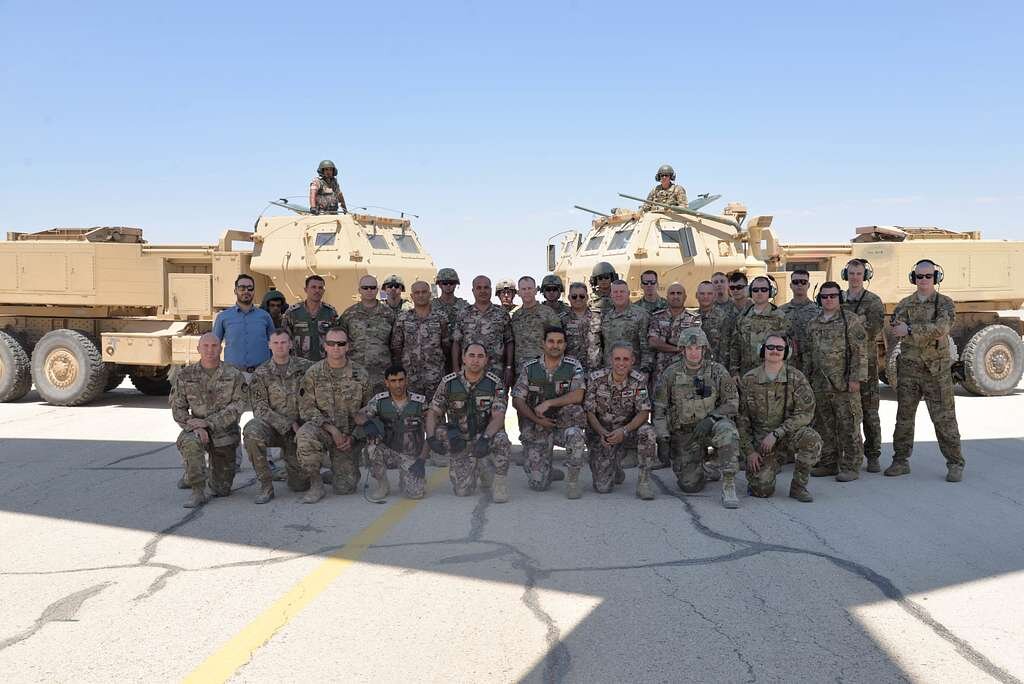
A coalition of Jordanian public figures, including former ministers, lawyers, academics, and tribal chiefs, has signed an open letter demanding the withdrawal of all foreign forces from Jordan. The letter is a response to the kingdom's rulers who have traded sovereignty for dependency on foreign powers.
Imagine a country where a foreign power has its soldiers and military bases, and the government is more loyal to the foreign power than to its own people. This is what's happening in Jordan, where the government has allowed American troops to be stationed in the country, despite the people's opposition. The people are angry and want the foreign troops to leave, but the government is trying to silence them.
Analysis
The Architecture of Occupation
The letter is blunt where Amman has long been evasive. It explicitly demands the evacuation of all foreign troops and the cancellation of the 2021 defense agreement with Washington. That pact was enforced by royal decree, bypassing the National Assembly entirely and stripping the Jordanian people of their constitutional right to oversight.
Complicity and the Economic Collapse
The political gap between the palace and the public has never been wider. The Jordanian street remains intensely sympathetic to Palestine and hostile to Israel, yet Abdullah II keeps his peace framework intact. He actively subordinates the military to Western priorities, using Jordanian forces to intercept regional projectiles aimed at Israel while Gaza is subject to Israel's genocidal war.
A Fractured Kingdom
Terrified by the public mood, the state enacted a complete media blackout on the open letter. Local outlets refused to publish the text, and activists face prison under draconian cybercrime laws. But the anger is spilling over, with a pro-government lawmaker suggesting offering condolences for American soldiers killed on Jordanian soil, only to be shouted down by his colleagues.
Key points
- Hundreds of Jordanian public figures have signed an open letter demanding the withdrawal of all foreign forces from Jordan.
- The letter is a fierce indictment of a political order that traded sovereignty for dependency.
- The Jordanian government has allowed American troops to be stationed in the country, despite the people's opposition.
- The government has enacted a complete media blackout on the open letter and is trying to silence activists who are demanding the withdrawal of foreign troops.
If the Jordanian government heeds the demands of its citizens and expels the occupying forces, it could restore national sovereignty and bring an end to the economic collapse caused by the war. This could also lead to a more peaceful and stable region, as Jordan would no longer be a target for retaliation by Iran.
If the government continues to ignore the demands of its citizens and maintains its subservience to Washington and Tel Aviv, it could lead to further economic collapse, increased violence, and a deeper divide between the palace and the public. This could also lead to a loss of national sovereignty and a continued occupation by foreign forces.