Theater: Left in the Lurch by Politics
Berlin’s Gorki Theater faces a €160,000 rent hike and possible eviction of its workshops. Staff say the city’s cultural policy has left the house exposed.
Intelligence analysis by GPT-5.4 Mini

The article says Berlin’s Maxim Gorki Theater is facing a severe budget and rental crisis after years of cuts. Because the landlord is tied to the city, the paper frames the hike as a political decision rather than an outside shock.
A theater in Berlin is being told to pay much more rent for its work rooms, even though it already has very little money left. It is like a school being asked to pay extra for its classrooms after the school budget was already cut.
Analysis
What happened
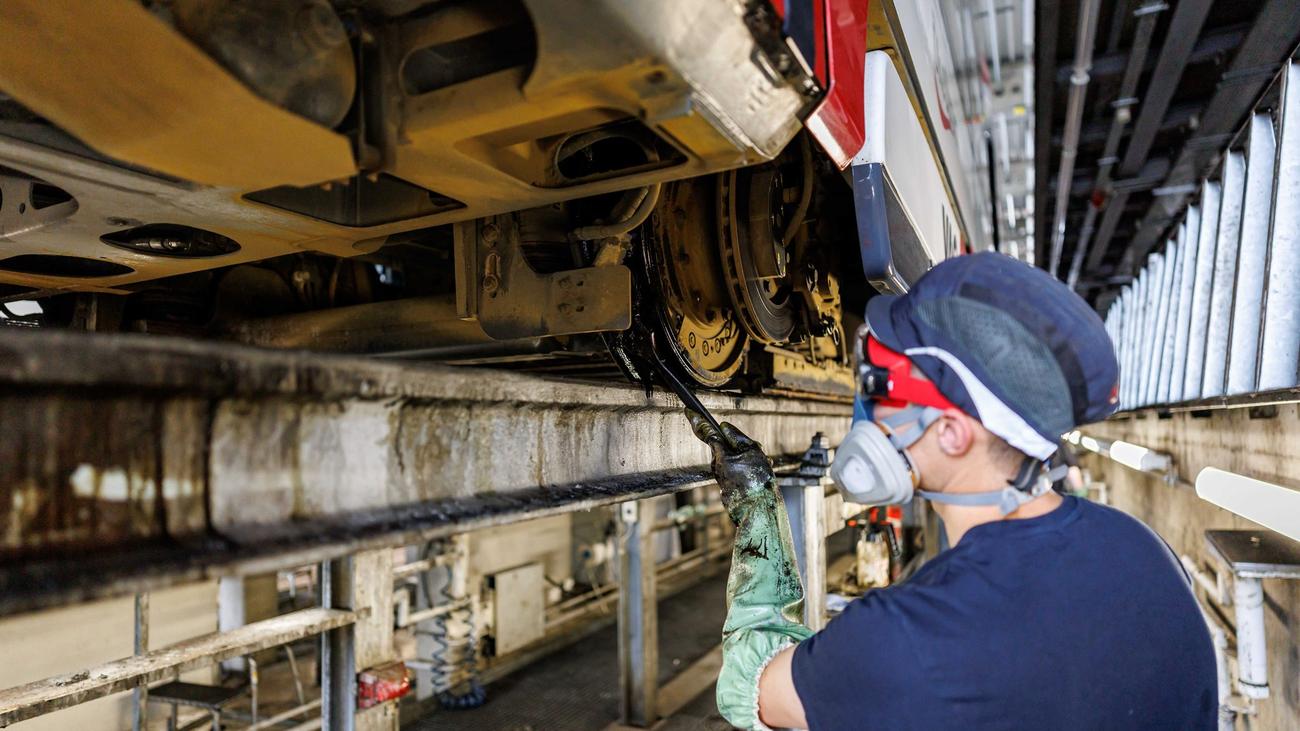
The Maxim Gorki Theater in Berlin says its workshops face a sharp rent increase of 160,000 euros. If the theater cannot reach an agreement with the landlord, it could lose the rooms at the end of the year.
The paper says the crisis lands after several rounds of cuts have already emptied the theater’s reserves. Torben Schumacher, the managing director, says the theater cannot absorb the extra cost within its current budget and has no cushion left. In practice, paying the higher rent would force the house to cut artistic spending, likely by giving up at least one large production.
Why the article treats this as political
The landlord is not described as a private profiteer, but as Bühnenservice Berlin, a subsidiary of the Berlin opera foundation. That is why the article frames the rent increase as a decision made inside the state’s own cultural system. It blames former culture senator Sarah Wedl-Wilson and interim finance senator Stefan Evers for the situation, arguing that the theater was cut first and then hit with higher costs.
Transition at the theater
The timing is especially bad because Shermin Langhoff’s tenure ends on June 14. The article calls her years at the Gorki turbulent but successful, and says her successor, Çağla Ilk, has to establish herself while the institution is under pressure. The paper notes that Ilk has not previously led a theater and that her program so far looks more like an art-and-performance space than a traditional spoken-theater house.
What could resolve it
The article points to a longer-term solution already discussed for the Gorki and the Volksbühne: state-owned rehearsal and workshop spaces. That would give the theaters more stable infrastructure and lower operating costs. For now, though, the theater’s staff see the city’s response as evasive, and the future of the workshops remains open.
Key points
- Berlin’s Maxim Gorki Theater says its workshops face a 160,000-euro rent increase.
- If no deal is reached, the theater could lose the rooms by the end of the year.
- The article frames the problem as a political decision inside Berlin’s cultural system, not an outside cost shock.
- Staff say the theater has no reserves left after earlier cuts and cannot simply absorb the expense.
- The crisis comes as Shermin Langhoff leaves and Çağla Ilk prepares to take over.
If the city and the theater reach a deal, the workshops could stay open and the house could avoid cutting artistic work. A longer-term plan for city-owned rehearsal and workshop spaces could also make the theater cheaper and more stable to run.
If no agreement is reached, the theater could lose its workshop space at the end of the year and face deeper disruption. The extra rent could also force cuts to productions, weakening the theater just as it is changing leadership.