Thuringian Government Coalition in Crisis as Two BSW Members Refuse to Support Minister-President Mario Voigt
Two BSW members in the Thuringian government coalition have refused to support Minister-President Mario Voigt, citing a dispute over Voigt's Doktortitel. The move has put the coalition's majority at risk, with the Left party potentially able to provide the necessary votes…
Intelligence analysis by Llama
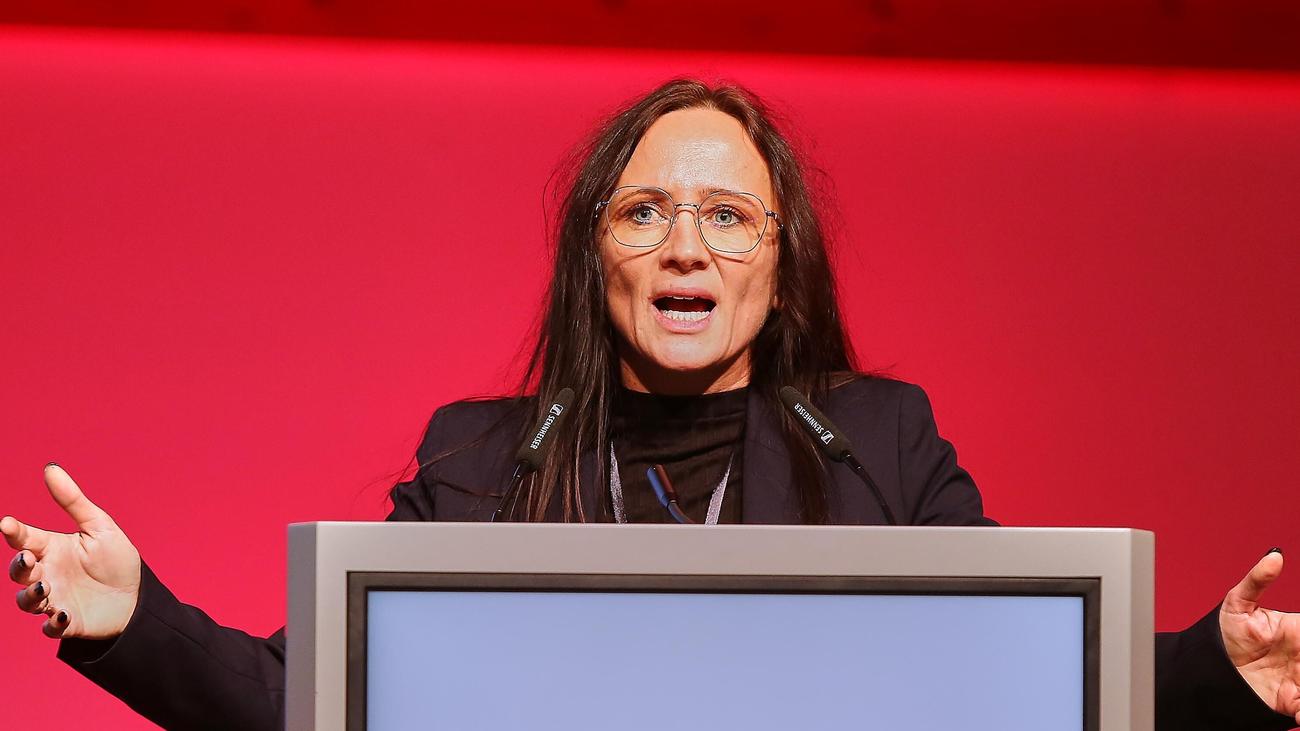
A dispute between the Thuringian BSW and the CDU has led to two BSW members refusing to support Minister-President Mario Voigt. The move has put the coalition's majority at risk, with the Left party potentially able to provide the necessary votes to pass legislation.
Imagine you're part of a team that's working together to make decisions. But two of your team members don't agree with the leader and decide to leave the team. This makes it harder for the team to make decisions and could even lead to a change in leadership. That's what's happening in Thuringia, where two members of the BSW party have refused to support the Minister-President, Mario Voigt. This has put the coalition's majority at risk and could lead to a change in government.
Analysis
Background
The Thuringian government coalition, comprising the CDU, SPD, and BSW, has been facing a crisis since two BSW members, Anke Wirsing and Sven Küntzel, announced that they would no longer support Minister-President Mario Voigt. The move has put the coalition's majority at risk, with the Left party potentially able to provide the necessary votes to pass legislation.
The Dispute
The dispute between the BSW and CDU centers around Voigt's Doktortitel, which the BSW has questioned. The BSW has accused Voigt of damaging the office of the Minister-President and has called for his resignation. The CDU, on the other hand, has defended Voigt and has accused the BSW of trying to undermine the government.
The Impact
The crisis in the Thuringian government coalition has significant implications for the state's politics and governance. If the Left party were to provide the necessary votes to pass legislation, it could lead to a change in government. This would have significant consequences for the state's politics and could potentially lead to a shift in power.
The Way Forward
The BSW has announced that it will hold a special party conference to discuss the future of the coalition. The conference is expected to be attended by representatives from across the party, and a decision on whether to continue supporting the coalition will be made. The outcome of the conference will have significant implications for the state's politics and governance.
Key points
- Two BSW members have refused to support Minister-President Mario Voigt
- The move has put the coalition's majority at risk
- The Left party could potentially provide the necessary votes to pass legislation
- A special party conference will be held to discuss the future of the coalition
If the BSW and CDU can find a way to resolve their differences, the coalition could continue to function and make decisions. This would be a positive outcome for the state and its citizens.
If the Left party were to provide the necessary votes to pass legislation, it could lead to a change in government. This would have significant consequences for the state's politics and could potentially lead to a shift in power.