Trump and Iran: How Are Negotiations Managed in Front of the Cameras?
Mutual statements between Washington and Tehran reveal how press conferences and media interviews have become part of the negotiation process, as the Iran-Oman talks on Hormuz strait navigation reach their final stages.
Intelligence analysis by Llama
US-Iran talks on the Hormuz strait and nuclear file have moved into a phase where public messaging is itself a bargaining tool. Trump frames any progress as the fruit of his pressure policy, while Iran insists on separating the Oman-mediated Hormuz track from any direct US dialogue.
America and Iran are both trying to look tough and friendly at the same time while they talk about how ships move safely through a narrow waterway. Each leader holds press events to tell their own people that any deal is a win for them, while secretly using those same interviews to send signals to the other side, almost like passing notes in class while giving a speech.
Analysis
Two Stages, One Negotiation Table
The piece frames the current US-Iran track as a single negotiation conducted across two parallel stages: the diplomatic back-channel and the public stage. The trigger was Trump's decision to suspend a planned military strike against Iran, a move he has since framed as the direct product of his own pressure policy. The substance, however, is being negotiated through Omani mediation and concerns navigation arrangements in the Strait of Hormuz, with Iran's Foreign Minister Abbas Araghchi saying those talks have reached their "final stages." What looks like a single file is in practice being split, with Tehran insisting that the Hormuz track and any direct US dialogue are not the same conversation.
The Carrot-and-Stick on the American Side
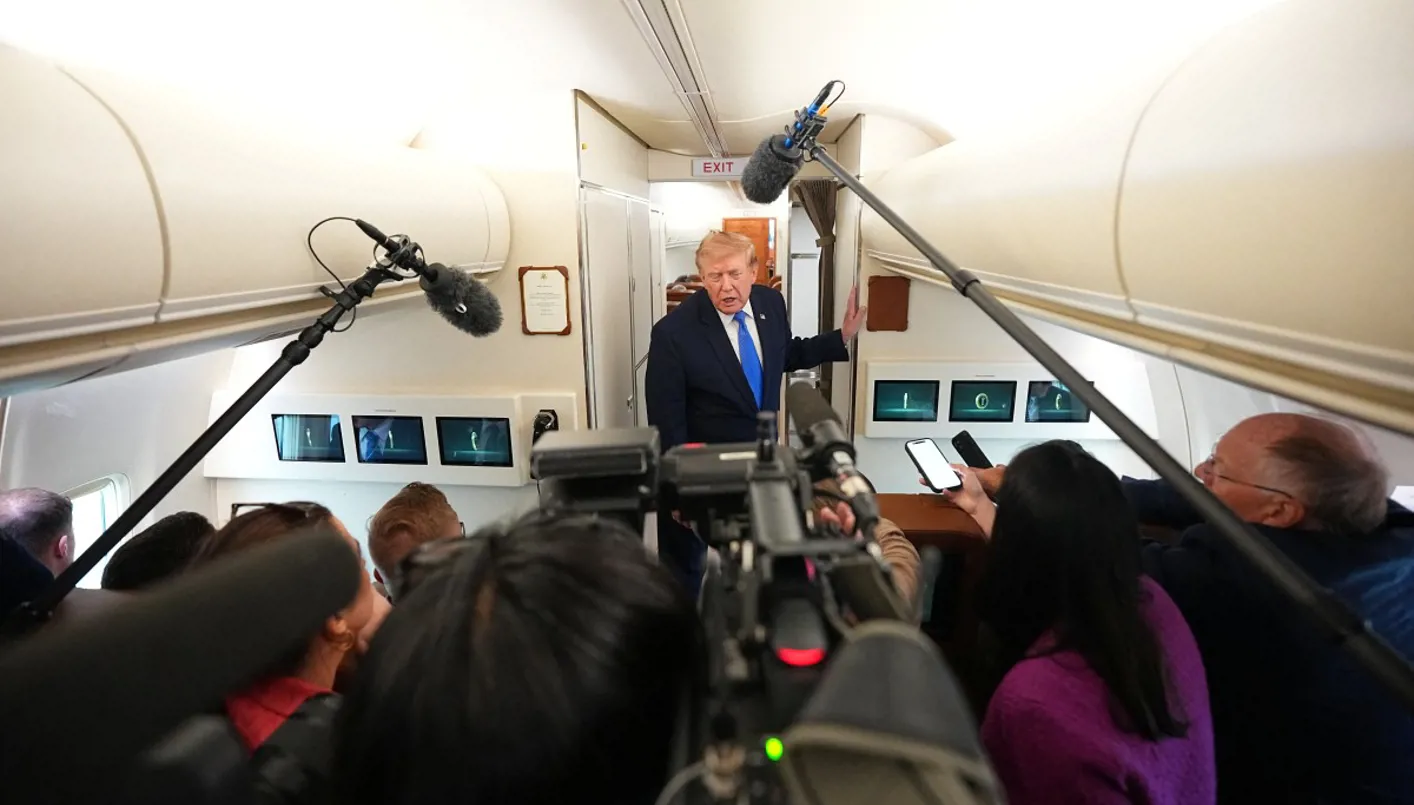
Trump's messaging since the suspension of strikes has been deliberately bifurcated. In remarks to reporters aboard Air Force One on August 2, 2026, and earlier on Fox & Friends on July 28, he described US-Iran discussions as "very good" and said a deal could come quickly, while simultaneously warning that Tehran would face a "severe strike" if it walked away from negotiations. The article notes that this combines an offer and a threat, and that Trump is selling the pause at home as a victory of his pressure policy rather than a concession. Trump also tied the Hormuz arrangement to the wider nuclear file, saying Middle Eastern states had reached "agreement landmarks" on restoring full navigation in the strait and on the nuclear question, while keeping the military option explicitly on the table.
Iran's Split-Screen Response
Tehran has matched the American messaging with its own division of labor. Araghchi presents the Hormuz talks as a technical process on navigation security and transit regulation, and Foreign Ministry spokesman Esmaeil Baghaei stressed that there is currently no direct track with Washington, with contacts continuing only through Muscat. Iranian outlets cited informed sources saying an understanding could be delayed if US threats persist, a signal that Tehran wants to keep military pressure out of the diplomatic room. Alongside that, acting Defense Minister Brigadier General Seyed Majid Ibn al-Riza dismissed recent US statements as psychological operations and "war of calculations," and emphasized that the armed forces are raising readiness and expanding deterrent capabilities. The pattern lets Iran speak to multiple audiences at once: reassurance and progress for diplomatic partners, deterrence for the military balance.
Key points
- Trump said US-Iran discussions were "very good" but warned Tehran would face a "severe strike" if it backed out of negotiations.
- Iran's Foreign Minister Araghchi said Oman-mediated Hormuz talks have reached their "final stages," framing them as technical navigation talks rather than direct US dialogue.
- Foreign Ministry spokesman Baghaei said there is currently no direct track with Washington, with contacts continuing only through Muscat.
- Iran's acting defense minister dismissed US statements as psychological operations and announced heightened military readiness.
- Each side is using press conferences and interviews as a parallel negotiation space to test red lines, fix demands, and shape the narrative before any deal is announced.
If the Oman-mediated Hormuz track holds, a technical deal on navigation could unlock broader movement on the nuclear file and ease pressure on Iran's oil exports. Trump has already pointed to that progression, suggesting a Hormuz agreement could bridge toward nuclear talks, and several Middle Eastern states have reportedly aligned on the framework.
The same split messaging that keeps talks alive also risks collapse. Iranian sources cited in the piece warn that continued US threats could delay any understanding, while Tehran's parallel deterrence signaling leaves little room to back down publicly. A misread press statement, or a single flare-up in the strait, could reframe the suspended strike as live again.