Trump says Iran peace deal could be signed by Sunday, with strait of Hormuz to open shortly after
Trump said the US may sign a deal with Iran as soon as Sunday, with the Strait of Hormuz reopening soon after. Iranian and US officials gave conflicting versions of what the draft would include.
Intelligence analysis by GPT-5.4 Mini
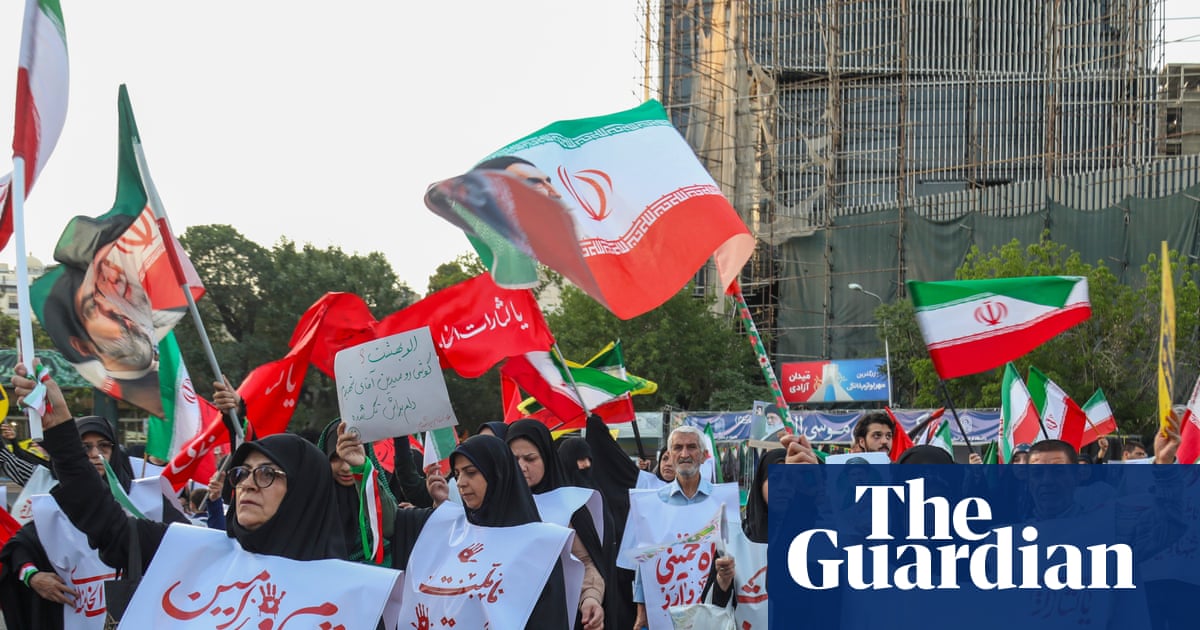
The article says Washington, Tehran and mediators are signaling a possible breakthrough after months of war, but their accounts of the draft agreement do not match. Trump is pitching the deal as a major diplomatic win, while Iranian officials urge caution.
The story is about a very tense argument between countries that might turn into a deal. It is like two kids saying they almost ended a fight, but each one tells a different version of the rules for making up.
Analysis
What Trump is claiming
Donald Trump said on Saturday that the US is set to sign a new agreement with Iran the next day. In his post, he said the deal would stop Iran from getting a nuclear weapon and reopen the Strait of Hormuz to international shipping.
What the sides say
The article says Iran, the US, and mediators had earlier suggested a preliminary peace deal could be signed within days, but they described different timelines and even different versions of the text. Pakistan's prime minister, Shehbaz Sharif, said Islamabad expected an electronic signing within 24 hours, followed by technical talks next week. Iranian foreign ministry spokesperson Esmaeil Baghaei was more guarded, saying it was too soon for the exact signing date and that it might happen in the coming days, not the next day.
What is in dispute
The draft appears to include reopening the Strait of Hormuz and lifting the US naval blockade on Iranian ports, with nuclear talks coming later. But the article says Iranian accounts and Washington's version sharply diverge. Iranian reporting said the deal would end conflict on multiple fronts, free $24bn in frozen Iranian assets, and suspend sanctions on oil and petrochemical sales. US officials, by contrast, said Iran would have to destroy nuclear material, dismantle its program, keep frozen funds locked up until it met demands, and cut support for allied militant groups.
Broader stakes
The story sits against a backdrop of intense clashes between Iran, Israel, and the US. Trump has repeatedly claimed a deal was near, then threatened more strikes. Israel appears uneasy about the possible diplomatic shift, especially as its forces continued strikes in southern Lebanon while evacuation warnings spread to more locations.
Key points
- Trump said a US-Iran deal could be signed as soon as Sunday.
- He said the agreement would reopen the Strait of Hormuz to international shipping.
- Iranian and US officials gave conflicting accounts of the draft terms.
- The dispute includes nuclear limits, frozen assets, sanctions, and support for armed groups.
- The talks come after intense clashes involving Iran, Israel, and the US.
If the talks hold, the US and Iran could sign an agreement that lowers fighting and opens the Strait of Hormuz for shipping again. That could also create space for later talks on Iran's nuclear program and reduce pressure across the wider region.
The article makes clear that the two sides are still telling very different stories about the deal, which raises the risk that the agreement falls apart before signing. Trump has also repeatedly said a deal was close and then returned to threats, suggesting the diplomacy could still give way to fresh attacks.