UN Security Council Vote: Greens Criticize Merz and Wadephul After Germany's Failed Bid
Germany lost its bid for a non-permanent UN Security Council seat, and Greens blamed Merz and Wadephul for the setback.
Intelligence analysis by GPT-5.4 Mini
After Germany failed to win enough votes in the UN Security Council election, the Greens said the government had damaged the bid through weak diplomacy and poor international positioning. The defeat is Germany's first in such a vote and has triggered criticism across the political spectrum.
Germany tried to get a seat at a big world meeting table, like winning a place on a school council, but lost the vote. Now politicians are arguing over whether the government prepared badly and whether Germany sounded convincing enough to other countries.
Analysis
What happened
Germany failed to win one of the two Western European seats on the UN Security Council for 2027 and 2028, coming in behind Austria and Portugal. Because three countries competed for two places, a vote was needed, and Germany fell short of the required two-thirds majority.
Political fallout
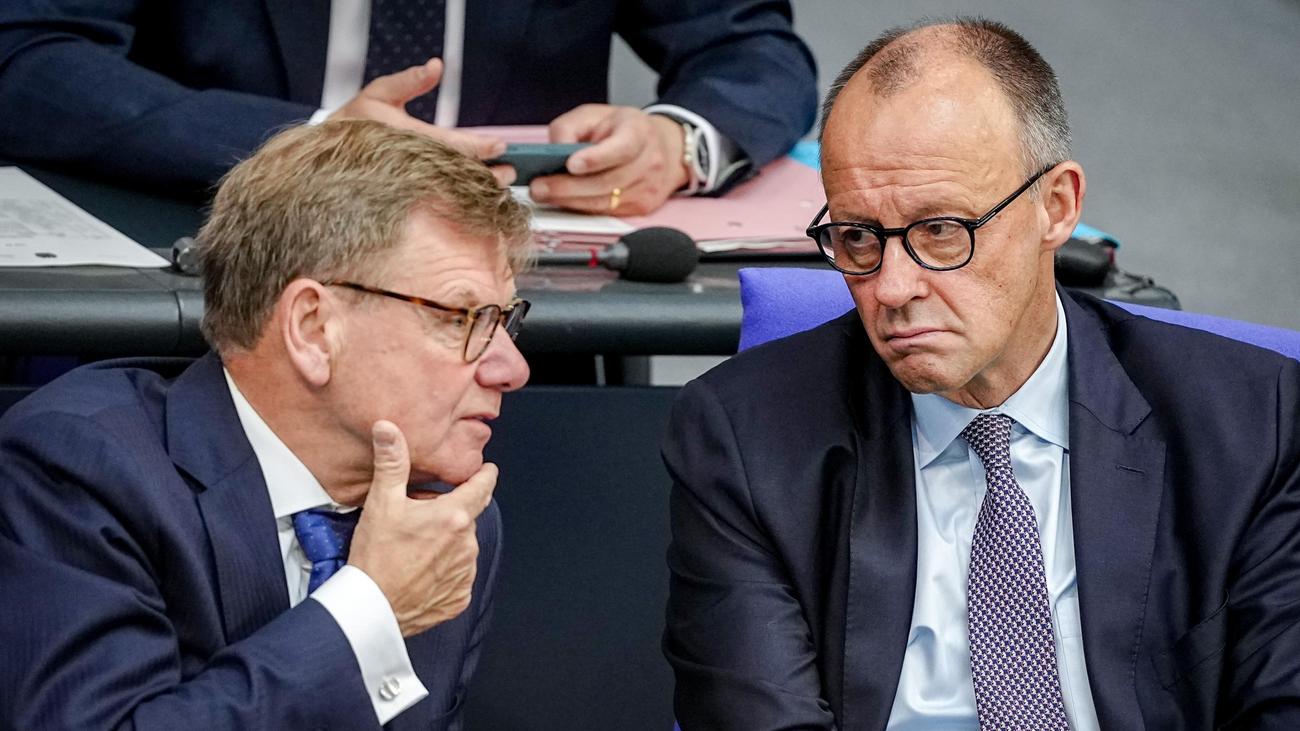
The Greens accused Chancellor Friedrich Merz and Foreign Minister Johann Wadephul of carrying responsibility for what Agnieszka Brugger called a humiliating defeat. She argued that the government did too little to back the candidacy with modern ideas and said Germany had weakened its standing by cutting support for climate policy, development cooperation, and the rules-based order.
Wadephul called the outcome a "herb defeat" but said he bore no personal blame. He pointed to the late timing of Germany's candidacy, since Portugal and Austria were already in the race, and he suggested Russian influence may have worked against Germany. He also said some countries may have penalized Germany because of its strong support for Israel in the Middle East conflict.
Merz tried to calm the setback, saying Germany's role in the UN would not diminish because of the vote. He described Germany as a reliable pillar of the multilateral system and said the country would continue to take that responsibility seriously.
Wider criticism
The criticism was not limited to the opposition. Jürgen Hardt of the CDU said Germany should seek earlier coordination among Europeans to avoid rival bids. SPD deputy group leader Siemtje Möller said the result sent a clear message: Germany's commitment to international law must become clearer and more consistent, including when allies violate it.
Key points
- Germany failed to win a non-permanent UN Security Council seat for 2027-2028.
- The country came behind Austria and Portugal in the Western European race.
- Greens said Merz and Wadephul were responsible for the failure.
- Wadephul rejected personal consequences and cited timing and possible foreign influence.
- Merz said Germany's UN commitments would continue unchanged.
The loss could push Berlin to coordinate earlier with European partners and build stronger support before future votes. It may also force the government to sharpen its message on international law, climate, and development policy.
If the government does not adjust its diplomacy, Germany could keep losing influence in multilateral forums. The defeat may also deepen domestic arguments over whether Berlin is too cautious on major conflicts and too weak in explaining its positions abroad.