Uncertain start: Senate elects Michal Kucera as the new university president
The CAU Senate has elected geologist Michal Kucera as its new president. His start date is still open because talks with the state of Schleswig-Holstein are ongoing.
Intelligence analysis by GPT-5.4 Mini
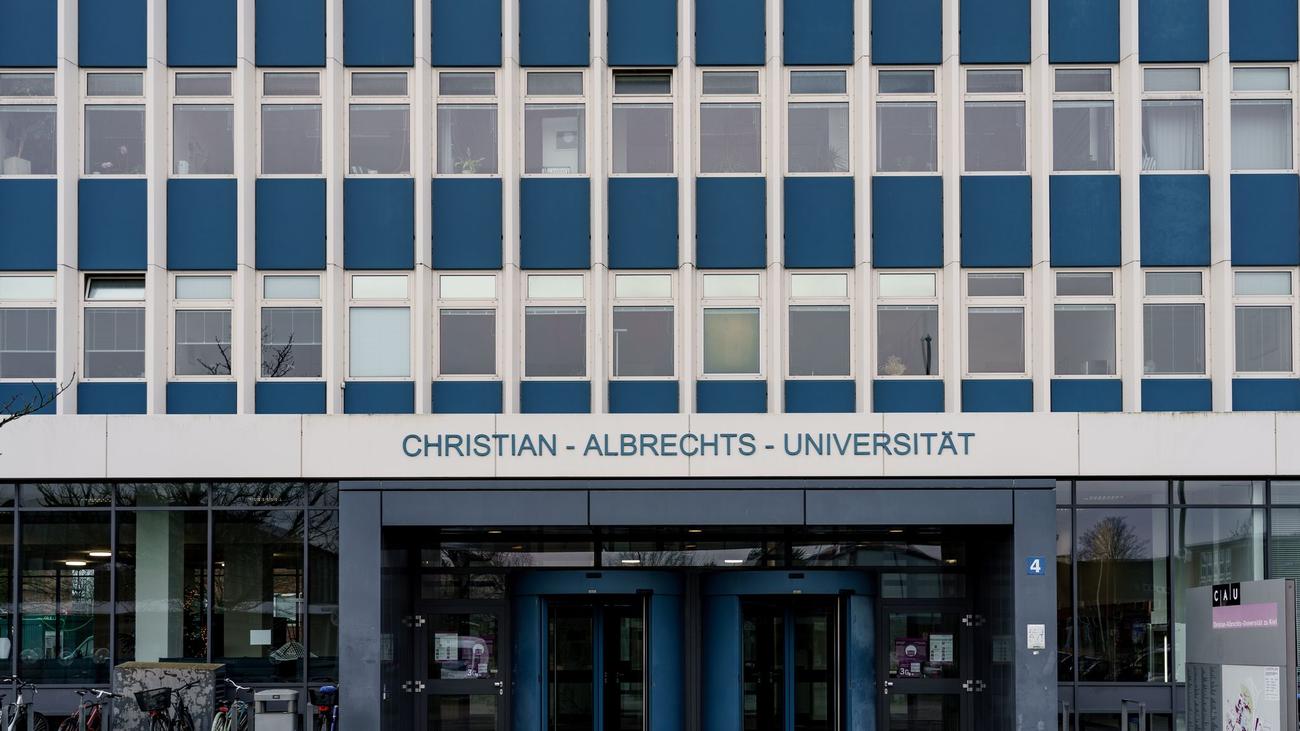
Kucera, currently a Bremen university vice rector, won the vote after a public presentation and closed questioning round. The university leadership post has been vacant for a long time after the previous selection was blocked by a court and the process had to restart.
A university in Kiel picked a new boss, but he cannot start right away because some official talks are still going on. It is like choosing a team captain, then waiting for the coach to sign off before the captain can begin.
Analysis
What happened
The Senate of the Christian-Albrechts-Universität in Kiel has elected geologist Michal Kucera as the university's new president. The university said the exact date for him to take office is still unclear because negotiations with the state of Schleswig-Holstein are still pending.
Before the vote, Kucera and four other candidates presented themselves publicly in the Audimax, the main lecture hall of the state's largest university. The five applicants, two women and three men, were also questioned behind closed doors by Senate members.
Who Kucera is
Kucera was born in 1971. He studied geology in Prague and earned his doctorate at the University of Gothenburg in Sweden. After stays in California, London and Tübingen, he moved to Bremen in 2012. There, he works as project leader in the excellence cluster "The ocean floor - unexplored interface of the Earth," where he studies how climate change affects the marine environment and its inhabitants.
Why the post was open for so long
The university presidency has been vacant for some time. At the end of 2024, the Senate had already elected agrarian economist Insa Theesfeld by a large majority. But in summer 2025, a court in Schleswig temporarily blocked the appointment because it criticized the selection process. An unsuccessful applicant had sought urgent legal protection.
After that ruling, the university restarted the selection process. In an extraordinary session in June 2025, the Senate decided not to appeal the administrative court's decision. The new vote now gives the university a fresh attempt to fill the post, though the handover still depends on talks with the state.
Key points
- The CAU Senate elected geologist Michal Kucera as the university's new president.
- His start date is still open because negotiations with Schleswig-Holstein have not finished.
- The university leadership post has been vacant for a long time after an earlier selection was blocked by a court.
- Kucera has worked at the University of Bremen since 2012 and leads an ocean-cluster research project.
If the negotiations with the state go smoothly, the university can finally end a long leadership gap and move ahead with a permanent president. Kucera's research background and experience in university administration could help bring steadier leadership to the CAU.
The appointment is not fully settled yet, so the university could still face delay before Kucera actually takes office. The long vacancy and the earlier court dispute also show that the selection process has been fragile, which could complicate the transition further.