US: Lebanon and Israel Want to Implement Fragile Ceasefire
The US says Israel and Lebanon have agreed on a path to enforce their fragile ceasefire. The deal hinges on Hezbollah stopping attacks and pulling back from areas near Israel.
Intelligence analysis by GPT-5.4 Mini
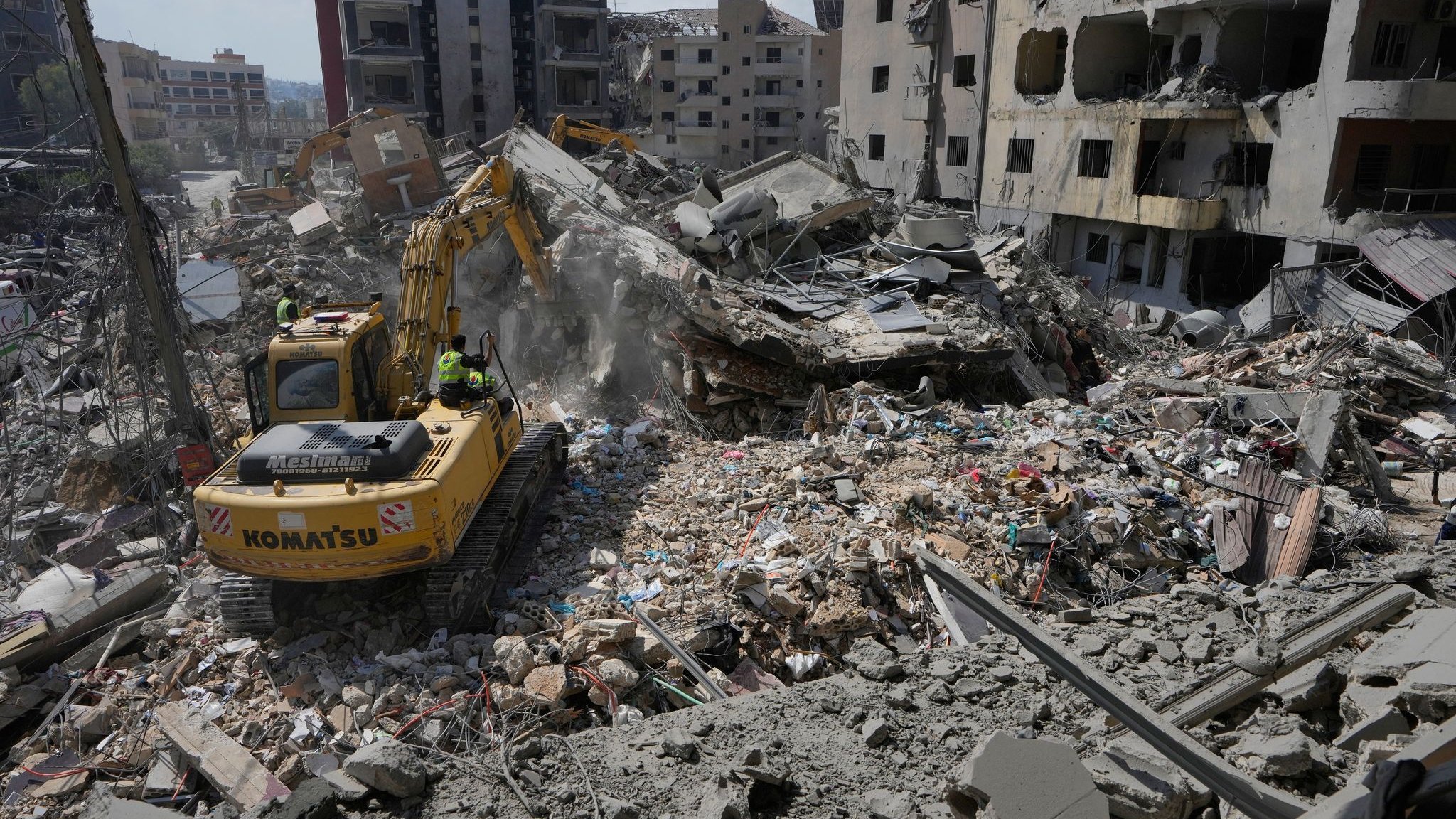
After talks in Washington, the US says Israel and Lebanon have outlined steps to make their ceasefire more real. The plan includes Lebanese army control in pilot zones and a Hezbollah pullback south of the Litani River.
Israel and Lebanon are trying to turn a shaky pause in fighting into a real one, like trying to keep two noisy neighbors from throwing rocks. The problem is that one of the biggest troublemakers, Hezbollah, is not fully under Lebanon's control.
Analysis
What was agreed
According to the US State Department, Israel and Lebanon agreed on a route to implement the ceasefire that has existed mostly on paper. The joint statement came after talks in Washington between Israeli and Lebanese government representatives.
What the plan says
The statement ties the ceasefire to a complete halt in attacks by Hezbollah against Israel. It also calls for so-called pilot zones in Lebanon where only the regular Lebanese armed forces would control territory. Hezbollah is supposed to withdraw from areas south of the Litani River, close to the Israeli border. How those security zones would actually be set up remains unclear.
The sides also said the future relationship between Israel and Lebanon should be decided by the two governments themselves. The statement rejected attempts by any state or non-state actor to take Lebanon’s future hostage, a formulation that appears to point at Iran, which supports Hezbollah.
Why the move is fragile
The article makes clear that the ceasefire has been repeatedly extended but not reliably observed. Israel has continued striking Hezbollah targets in Lebanon, accusing the militia of rearming. Hezbollah, in turn, resumed firing rockets toward Israel during the wider Iran-related conflict, triggering another escalation.
The article also stresses that Lebanon is not a direct party to the war and has only limited influence over Hezbollah. That means even if the political talks advance, enforcement on the ground remains uncertain. The two sides have no diplomatic relations and no peace treaty, and only began direct political-level talks in April for the first time since 1983.
Key points
- The US says Israel and Lebanon agreed on steps to implement a fragile ceasefire.
- The deal depends on Hezbollah stopping attacks on Israel.
- The plan calls for Lebanese army control in pilot zones and a Hezbollah pullback south of the Litani River.
- The article says the ceasefire has repeatedly been extended but not fully respected.
- Israel and Lebanon still have no diplomatic relations or peace treaty.
If the plan works, Lebanon’s army could gain clearer control in some areas and fighting near the border could ease. A more durable ceasefire could also create space for broader talks between Israel and Lebanon.
The agreement may fail if Hezbollah keeps firing or if Israel continues striking targets in Lebanon. Because the Lebanese government has limited control over Hezbollah, the ceasefire could remain fragile and enforcement could break down again.