Viet Nam, 81 years of independence: from renovation process to stepping confidently into a new era
Viet Nam celebrates 81 years of independence, highlighting its journey from post-war recovery to a dynamic economy with a GDP exceeding US$500 billion, driven by its Renovation process and strategic development goals.
Intelligence analysis by Gemini 2.5 Flash
The article chronicles Viet Nam's 81-year path since gaining independence in 1945, detailing its economic transformation through the Renovation process (1986-2026), which saw significant GDP growth and poverty reduction. It outlines future development strategies aimed at achieving upper-middle income status by 2030, emphasizing institutional reform, innovation, and human resource deve…
Imagine a country called Viet Nam that fought hard to become free 81 years ago. Since then, it's been working really hard, like a little plant growing into a big, strong tree. They've made their economy much bigger, helped many people out of poverty, and now they're planning to become even richer and more modern by 2030. They're also good friends with many countries, including Iran, and want to trade more with them.
Analysis
Viet Nam's journey over 81 years since its declaration of independence in 1945 is presented as a testament to its resilience and strategic development. The nation has transitioned from a war-torn country to a significant player in the global economy, a transformation largely attributed to its 'Renovation process' (Doi Moi).
Renovation process (1986–2026)
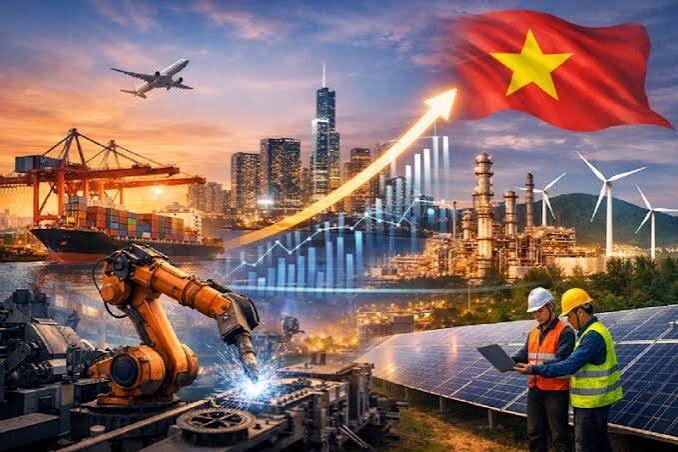
Viet Nam's Renovation process, initiated in 1986, has been instrumental in its economic resurgence. Over four decades, the country overcame the challenges of a post-war, exhausted economy and international embargoes to achieve remarkable growth. By 2025, Viet Nam's GDP had grown by 8.02%, reaching US$514 billion, with GDP per capita exceeding US$5,000. The poverty rate, measured by United Nations standards, significantly dropped to just 1.3%, demonstrating the inclusive nature of its development policies. Furthermore, the nation's integration into the global economy is evident in its total import and export turnover of US$910 billion and the attraction of nearly US$38.5 billion in foreign investment in the same year. The country also welcomed a record 21 million international visitors, underscoring its growing appeal and openness.
14th National Congress
The 14th National Congress of the Communist Party of Viet Nam, held in January 2026, laid out ambitious goals for the country's future. The primary objective is to transform Viet Nam into a developing country with modern industry and upper-middle income status by 2030, targeting an annual GDP growth of 10% or higher. To achieve these goals, Viet Nam is pursuing three strategic breakthroughs. First, it aims to accelerate institutional reform, streamline administrative procedures, strengthen decentralization, and optimize the state apparatus. Second, the focus is on promoting a new growth model driven by science and technology, innovation, digital transformation, and a green economy. Third, the nation is committed to improving human resource quality, accelerating investment in strategic infrastructure, and identifying tourism as a key economic sector, all designed to propel the country into a new era of national advancement.
Viet Nam and Iran
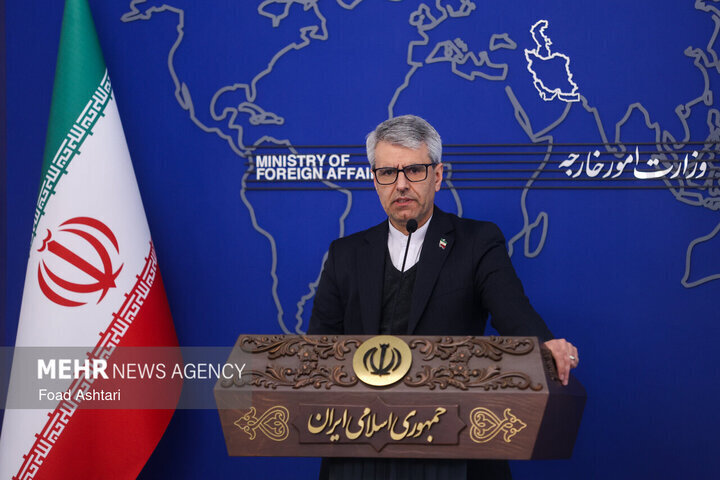
The article highlights the enduring diplomatic relationship between Viet Nam and Iran, which spans 53 years, having been established on August 4, 1973. This relationship is founded on principles of respect for independence and sovereignty, non-interference in internal affairs, and the assurance of legitimate interests. Despite geographical distance, both nations share a deep appreciation for independence, sovereignty, and national identity. Viet Nam's broader foreign policy emphasizes an open approach, seeking friendship with all countries and active engagement with the international community. The country views the Middle East as an important region due to its strategic geopolitical position and energy resources, expressing hope for peace and stability through dialogue and respect for international law, while also seeking to expand its economic relations with countries like Iran.
Key points
- Viet Nam celebrates 81 years of independence since September 2, 1945, marking a journey of national defense and development.
- The Renovation process (1986-2026) transformed Viet Nam into a dynamic economy, with GDP exceeding US$500 billion and poverty significantly reduced.
- The 14th National Congress set goals for Viet Nam to become an upper-middle-income country with modern industry by 2030, targeting 10% annual GDP growth.
- Strategic breakthroughs include institutional reform, a new growth model based on science/technology, and improved human resources/infrastructure.
- Viet Nam and Iran have maintained diplomatic relations for 53 years, based on mutual respect and non-interference, with Viet Nam seeking to expand economic ties in the Middle East.
Viet Nam's clear strategic breakthroughs, focusing on institutional reform, a new growth model driven by technology, and human resource development, position it well to achieve its ambitious goal of becoming an upper-middle-income country with modern industry by 2030. Its open foreign policy and deepening international relations could further expand its development opportunities and economic autonomy.
Despite its strong foundation, Viet Nam faces considerable uncertainties and challenges from rapid and unpredictable global changes, which could hinder its ability to achieve the targeted 10% annual GDP growth. External factors, such as tensions in the Middle East, could also indirectly impact its energy markets and international transport routes, potentially affecting its trade and development plans.