War in the Middle East: Israel Again Strikes Beirut Suburbs
Israel struck Beirut’s suburbs again despite a declared ceasefire. The attack followed new rocket fire from Lebanon and renewed threats between Israel and Hezbollah.
Intelligence analysis by GPT-5.4 Mini
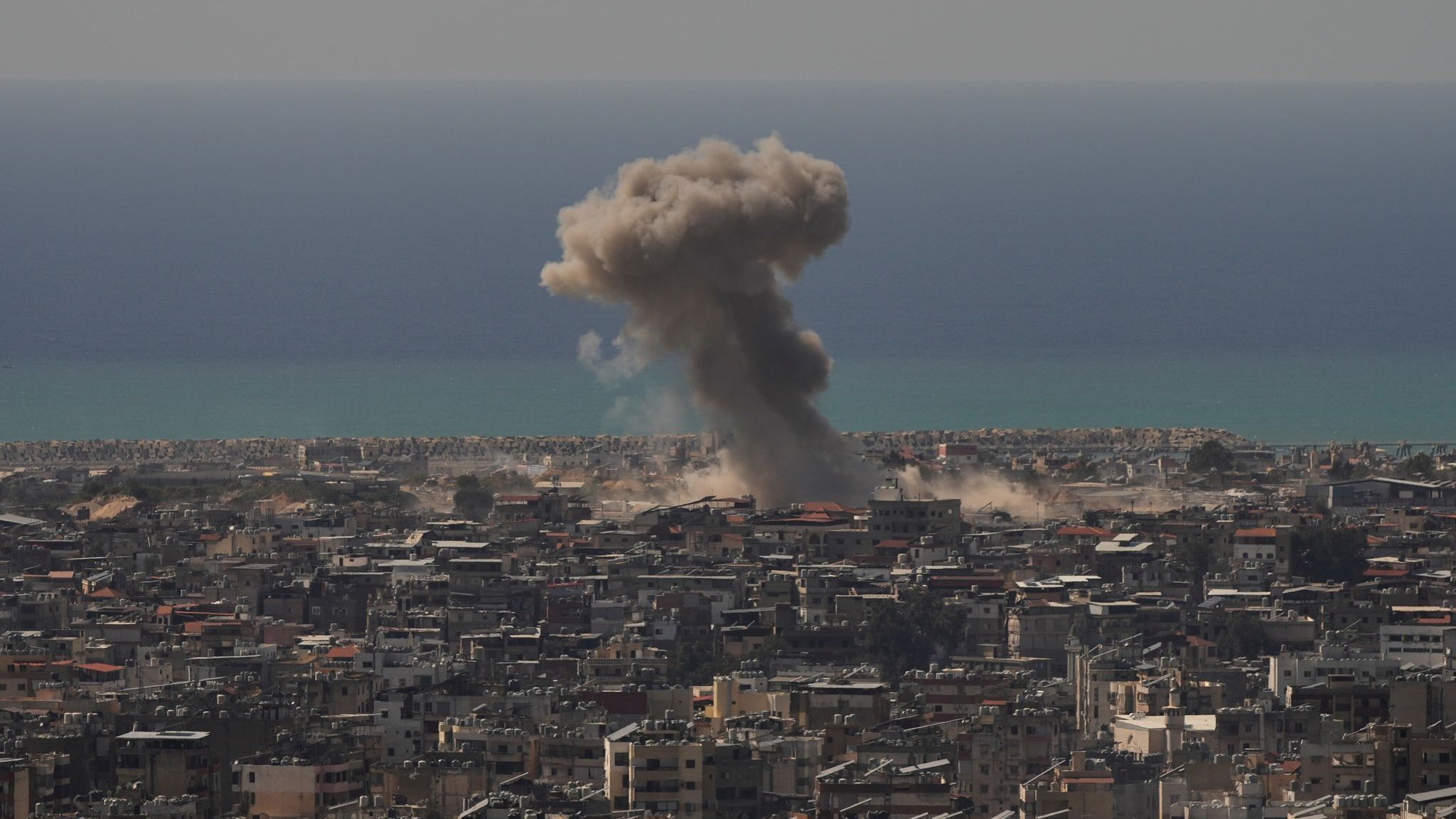
The article describes a fresh escalation between Israel and Hezbollah: Israeli forces hit targets in Beirut’s Dahieh suburbs, while rockets were fired at northern Israel from Lebanon. The ceasefire framework is still in place on paper, but both sides are acting as if it remains fragile and conditional.
Israel and Hezbollah are still fighting even after a promise to stop. It is like two neighbors agreeing to calm down, then throwing stones again after a few hours. The article shows the peace deal is very fragile.
Analysis
What happened
Israel’s military carried out new strikes on the southern suburbs of Beirut, an area known as Dahieh and widely associated with Hezbollah. According to the article, Prime Minister Benjamin Netanyahu and Defense Minister Israel Katz said the army was responding to Hezbollah fire and had hit “terrorist headquarters.” Witnesses described thick smoke and major damage to at least one building.
The article says Israel had already reduced attacks in Beirut’s suburbs after an official ceasefire took effect in mid-April. Even so, Israeli leaders had warned that these areas could be targeted again if Hezbollah attacked Israel. That warning was followed by more violence after rockets were launched from Lebanon toward northern Israel. The Israeli military said its air defenses intercepted two projectiles.
Why the truce looks shaky
The piece also notes that, according to U.S. claims, Israel and Lebanon agreed overnight to another attempt to enforce the ceasefire. But Hezbollah rejected the conditions, and new attacks followed quickly. That sequence underlines the core problem: the ceasefire exists, but it is not being honored consistently by the parties involved.
Netanyahu said Israel would not allow Hezbollah to fire on Israeli communities and claimed heavy losses for the group inside Lebanon. The article does not independently verify those figures, but it presents them as part of Israel’s justification for the strikes. The overall picture is of a conflict that remains active despite diplomatic language about restraint.
Key points
- Israel struck the Beirut suburbs again despite an official ceasefire.
- The Israeli government said the strikes were retaliation for Hezbollah fire.
- Witnesses reported smoke and serious damage in Dahieh, a Hezbollah stronghold.
- Rockets were also fired from Lebanon into northern Israel, and two were intercepted.
- A new ceasefire enforcement attempt was announced, but Hezbollah rejected its terms.
If both sides actually follow the ceasefire terms, the fighting around Beirut and northern Israel could ease. A more reliable truce would reduce pressure on civilians in heavily populated areas and give U.S.-backed diplomacy a chance to work.
If rocket fire and airstrikes continue, the ceasefire could collapse completely. That would risk more deaths, more destruction in Beirut’s suburbs, and a wider regional escalation involving Lebanon and Israel.