War Powers Resolution: House of Representatives votes to limit Trump's power in the war against Iran
The House backed a Democratic resolution to curb Trump's ability to keep fighting Iran without congressional approval. The measure is largely symbolic for now.
Intelligence analysis by GPT-5.4 Mini
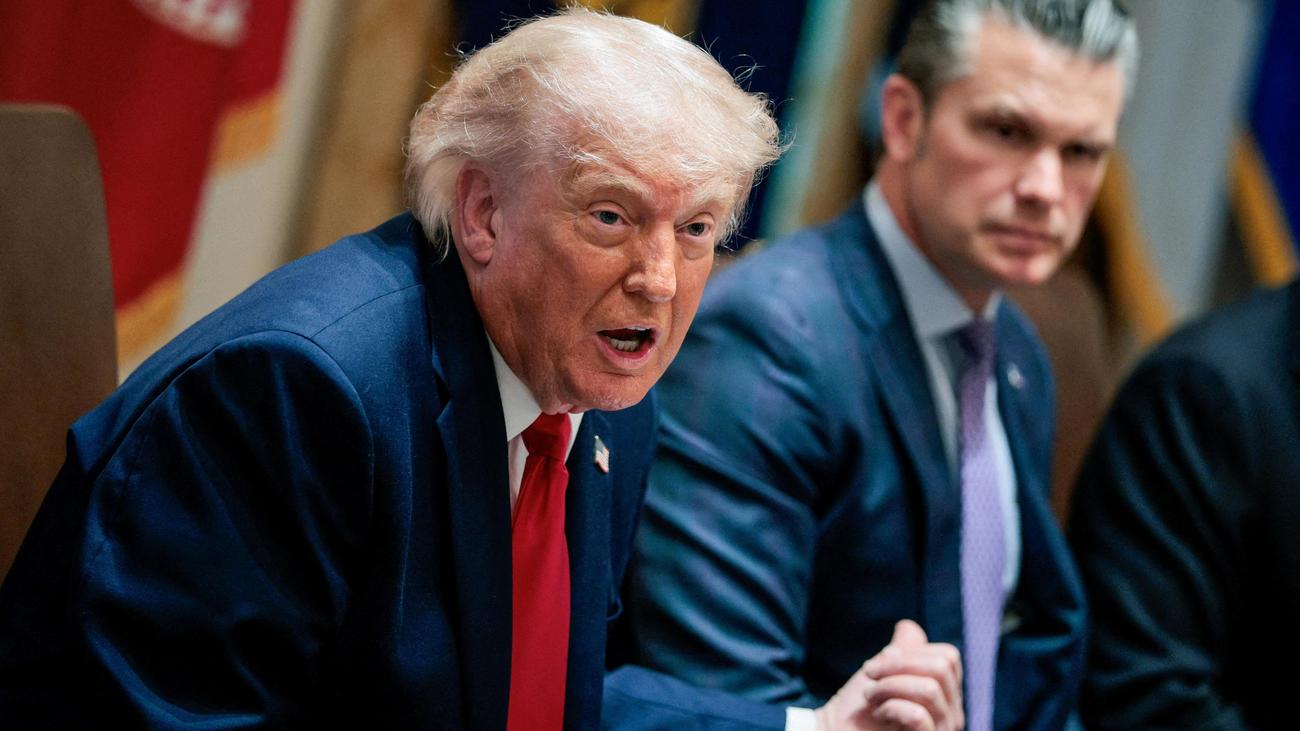
The vote is a rebuke to Trump but not yet a binding limit. It passed 215-208, with four Republicans joining Democrats, but it still needs Senate approval and would need veto-proof majorities to take effect.
The House tried to put a rule on the president so he cannot keep fighting Iran alone. It is like trying to make sure one person cannot keep using the whole family car without asking the others first.
Analysis
What the House did
The U.S. House of Representatives approved a Democratic resolution meant to stop the war against Iran unless Congress authorizes it. The vote was 215 to 208, and four Republicans joined Democrats.
Why it is not binding yet
The article stresses that the move is mostly symbolic. It still needs the Senate, and even then it would require two-thirds majorities in both chambers to overcome a likely presidential veto. Earlier attempts to limit Trump's war powers have already failed this year, including three other House resolutions and similar Senate efforts.
The legal dispute
The conflict turns on the War Powers Act of 1973, which was designed after Vietnam to prevent long, unauthorized military campaigns. Under that law, a deployment without congressional approval should end after 60 days, with a possible 90-day extension at the president's request. According to the article, both deadlines have passed in the Iran case, though a fragile ceasefire is in place.
The Trump administration argues that the fighting was already ended in a May letter to Congress, and Secretary of State Marco Rubio said the U.S. would focus on the Strait of Hormuz instead. Democrats reject that reading and say the war is still ongoing, which would keep the legal clock running.
What happens next
The House had been expected to vote earlier, but Republicans delayed the timing. Democrats say the delay happened because the resolution likely had enough support to pass. Even so, the article makes clear that the central fight is now over interpretation: whether the Iran conflict is over on paper, or whether Congress still has the right to force an end.
Key points
- The House approved a Democratic resolution to limit Trump's ability to continue the Iran war without congressional approval.
- The vote was 215-208, with four Republicans joining Democrats.
- The measure is largely symbolic because it still needs the Senate and would face a likely veto.
- The dispute centers on the War Powers Act and whether the Iran conflict has legally ended.
- The Trump administration says the fighting is over, while Democrats say the war continues.
If the resolution gains more support, Congress could force a clearer answer on whether the Iran conflict is still covered by war powers limits. That would give lawmakers a stronger role in deciding on future military action.
If the measure stalls, the White House can keep using its own reading of the situation to justify continued action in the region. That could leave the legal status of the conflict unsettled and deepen the clash between Congress and the president.