War with Israel: Hezbollah rejects ceasefire terms with Israel
Hezbollah has rejected a new ceasefire framework with Israel, calling disarmament demands a surrender. Fighting continued in southern Lebanon and the Bekaa Valley.
Intelligence analysis by GPT-5.4 Mini
The deal between Israel and Lebanon looks even shakier after Hezbollah publicly رفضed the terms, especially any demand that it disarm. The group says it will keep fighting as long as Israeli attacks continue, while the Lebanese government tries to move a fragile implementation plan forward.
Two sides tried to make a peace plan, but one side said no to giving up its weapons. It is like two kids agreeing to stop fighting, but one keeps throwing punches, so the fight does not really end.
Analysis
What happened
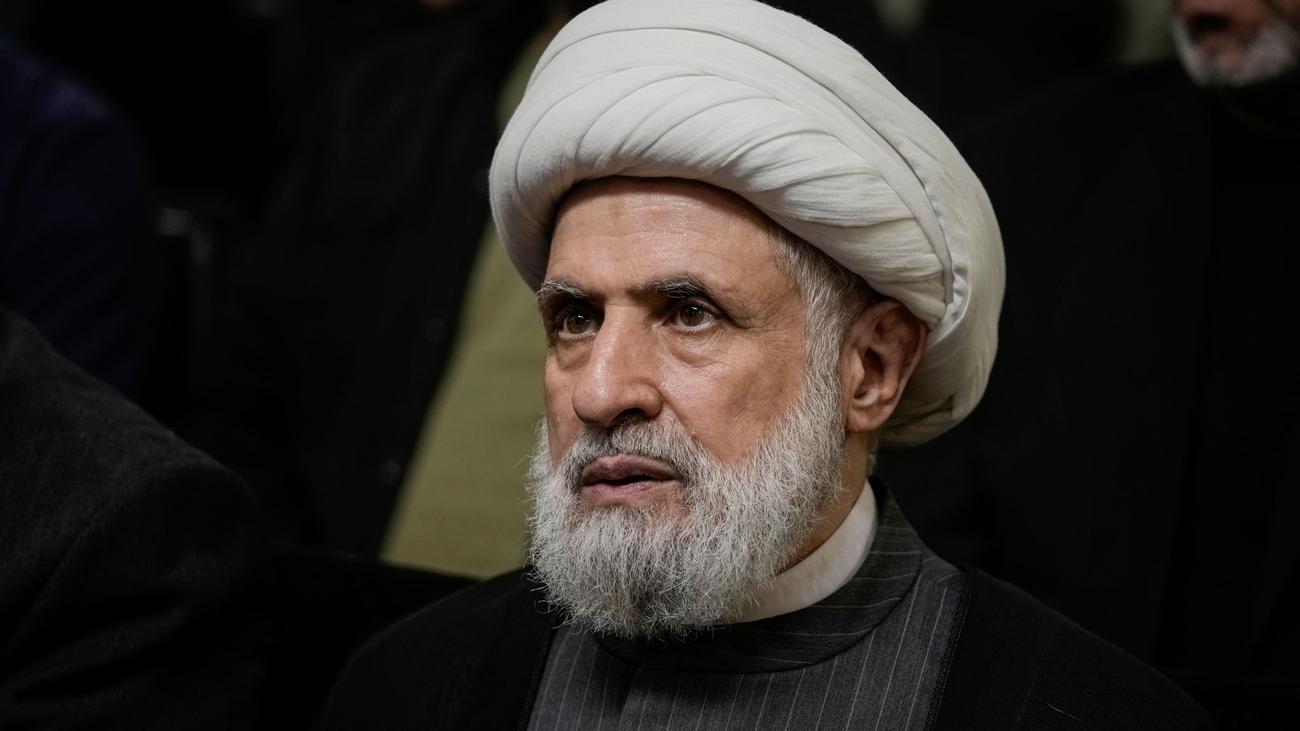
Hezbollah chief Naim Kassim rejected the latest ceasefire conditions between Lebanon and Israel in a televised statement. His core objection was the demand that the Iran-backed group disarm. He argued that stopping Hezbollah attacks while Israeli strikes continue would amount to surrender, and said the group had not promised to give up “resistance” or retaliation.
What the agreement tries to do
According to the report, the new implementation path calls for Hezbollah to stop attacks on Israel and pull back from areas south of the Litani River. In those southern areas, only the regular Lebanese army would control security, with the army gradually taking over responsibility. The text also says the arrangement was reached in direct talks between Israeli and Lebanese government representatives, even though Hezbollah itself was not part of the negotiations.
Why it remains fragile
The article makes clear that the ceasefire has had little practical effect so far. Although a truce was first announced in mid-April and later extended, the war continued almost unchanged, with daily attacks and deaths in Lebanon. Lebanese authorities say more than 3,500 people have been killed there so far.
Israel says the deal supports its goal of forcing Hezbollah to disarm. Israeli Defense Minister Israel Katz said the arrangement reflects the reality Israel created and could eventually open the door to a peace treaty. At the same time, he said Israel would keep operational freedom in a border security zone. Hezbollah, by contrast, says it will keep fighting while what it calls occupation and attacks continue.
Key points
- Hezbollah rejected the new ceasefire conditions, especially any demand to disarm.
- The group said it would continue military action while Israeli attacks continue.
- The agreement envisions Hezbollah withdrawing from areas south of the Litani River and Lebanese army control in security zones.
- The Lebanese government negotiated the framework without Hezbollah at the table.
- The ceasefire has so far had little effect, with fighting and deaths continuing in Lebanon.
If the Lebanese army gradually takes over security in the south and attacks ease, the agreement could become a real ceasefire rather than just a paper deal. The report also says Israel sees a possible path toward a future peace treaty if the arrangement holds.
If Hezbollah keeps rejecting disarmament and Israel keeps striking, the ceasefire framework may stay ineffective. The article suggests that daily attacks and casualties could continue, especially because Hezbollah was not part of the talks and does not accept the current terms.