Weber: No leadership debate over Markus Söder in the CSU
CSU deputy leader Manfred Weber says Markus Söder is not being challenged. He wants the party to reposition itself strategically ahead of future elections.
Intelligence analysis by GPT-5.4 Mini
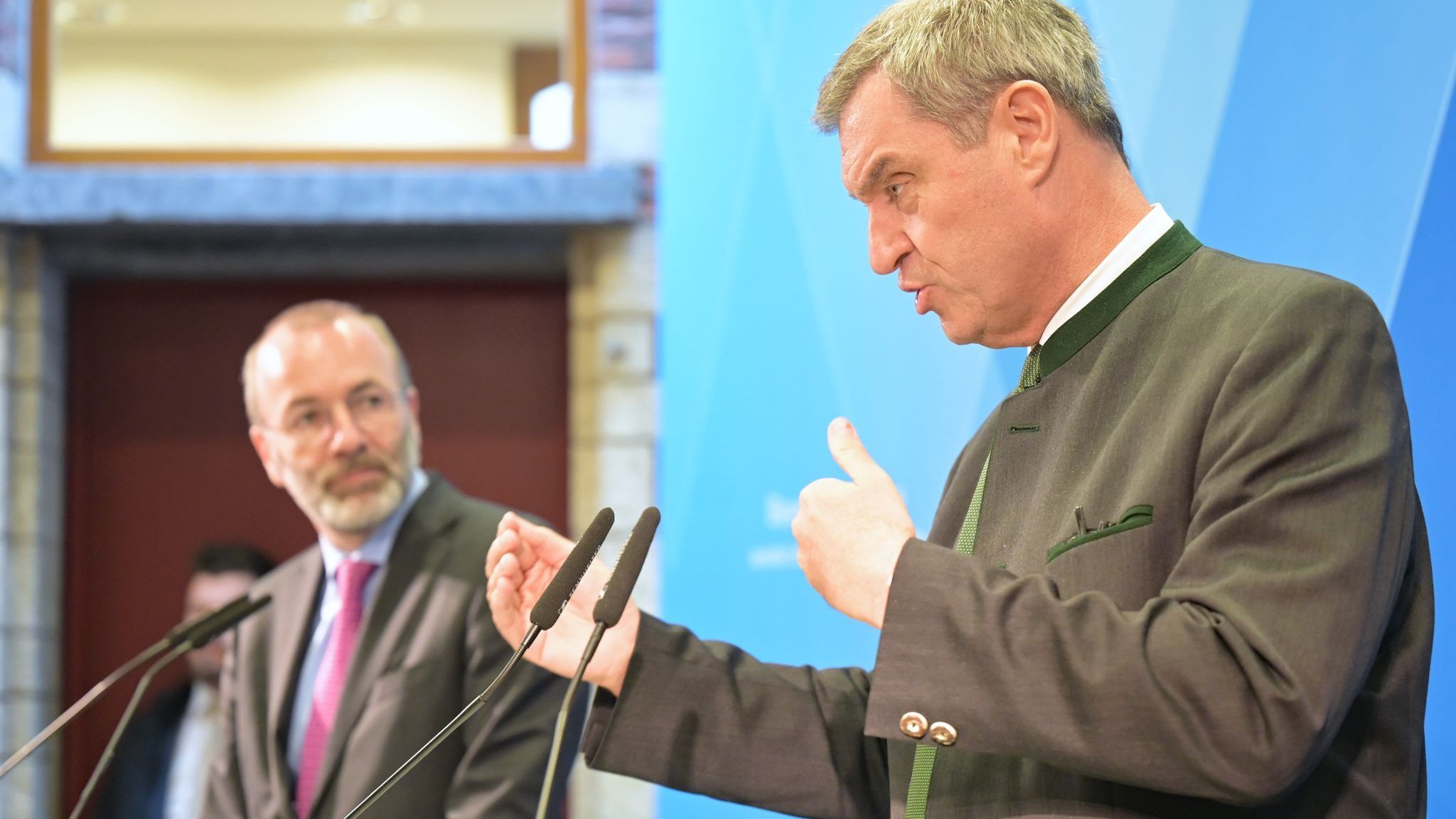
Manfred Weber rejects speculation about a leadership fight in the CSU around Markus Söder, while still pushing for a strategic reset. He says the party should use the next two years to prepare for the next state election after disappointing local results.
A top CSU politician says the party is not fighting over its boss right now, but it does need a new game plan. It is like a sports team saying, “We are keeping the coach, but we must train smarter before the next big match.”
Analysis
No leadership challenge, but a reset
Manfred Weber, the CSU deputy chairman, tried to calm talk of a power struggle around party leader Markus Söder. Speaking on ARD’s Maischberger, Weber said there is currently no leadership discussion in the CSU aimed at questioning Söder. He stressed that the party wants to work together.
At the same time, Weber argued that the CSU needs to reorganize itself strategically in the coming weeks and months. In his view, the party should think through how it wants to enter the next election and who should be part of its leadership team. That makes his message less about an immediate personnel fight and more about internal preparation.
Weber had already called for a new direction in the CSU in a recent Whitsun letter sent to many officeholders, which drew attention inside the party. According to the article, he also received support from Theo Waigel, the CSU honorary chairman and former federal minister.
Why the timing matters
Weber linked his push for reorientation to the CSU’s heavy losses in Bavarian municipal elections. With two years left until the next state election, he said now is the right moment to think carefully about the party’s future. He also said he finds it regrettable when such debates quickly turn into personal attacks or a personnel debate.
The piece frames Weber’s intervention as pressure for renewal without openly challenging Söder’s position. The key question is whether the CSU can use this period to adjust its strategy without opening a broader internal conflict.
Key points
- Manfred Weber says there is no current leadership challenge to Markus Söder in the CSU.
- He says the party wants to work together and prepare strategically for the next election.
- Weber had earlier called for a new direction in a Whitsun letter sent to many CSU officeholders.
- He links the debate to heavy CSU losses in Bavarian municipal elections.
- Weber says the party has about two years before the next state election to define its future path.
If the CSU uses this period to rethink its strategy, it could enter the next state election better prepared. The article suggests there is still room for the party to regroup without turning the debate into a leadership fight.
If the push for renewal keeps being read as a personal dispute, the CSU could end up with more internal friction instead of focus. The municipal election losses also suggest the party faces real pressure that a simple messaging reset may not solve.