‘We’re not making it up’: UK political chaos is not media’s fault, say journalists
Senior political editors reject claims they relish Westminster chaos, saying they are reporting real crisis, not inventing it.
Intelligence analysis by GPT-5.4 Mini
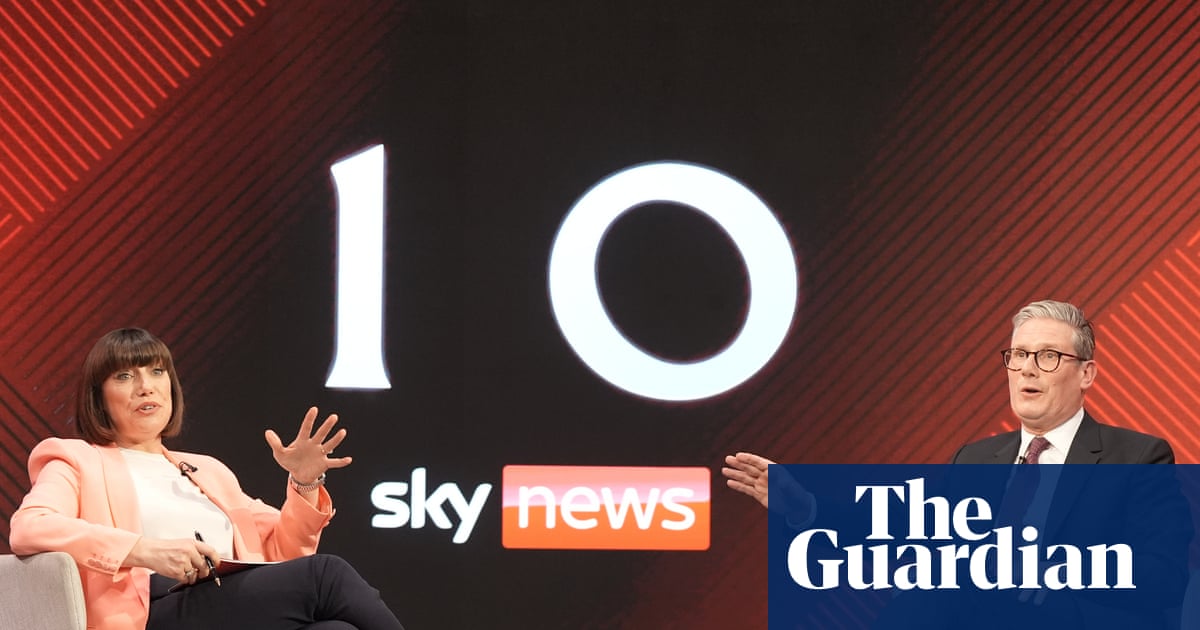
Beth Rigby, Robert Peston and other journalists say the turbulence in Westminster is driven by politicians, not reporters. They argue the faster news cycle makes the job harder, but not less necessary.
The story says news reporters are not making politics messy on purpose. They say the politicians are the ones causing the chaos, and reporters are just trying to explain it clearly, like a teacher helping a class understand a noisy group project.
Analysis
What the reporters argue
The Guardian says prominent political journalists are pushing back against criticism that media coverage has become addicted to crisis. Beth Rigby of Sky and Robert Peston of ITV both argue they are reporting genuine instability in Westminster, not manufacturing it for attention. Rigby says the leadership turmoil is serious and that her job is to understand it as accurately as possible, not turn it into entertainment.
Peston makes a similar case: journalists, he says, are trying to tell viewers and readers “what on earth is going on,” while the people most drawn to crisis are the political actors themselves. The article presents this as a response to comments from figures including Nick Bryant and Tom Baldwin, who have suggested journalists should reflect on whether they are part of the problem.
The broader pressure on political reporting
The piece also points to structural changes that make political coverage more frantic. Social media speeds up the cycle, MPs are easier to reach directly, and the number of outlets makes it harder for parties to control their message. One veteran journalist says hacks have always liked drama, but argues the audience also rewards process-heavy, fast-moving stories.
Rigby says the pace means she sometimes cannot properly prepare for major set-piece events, such as the king’s speech, until the night before. Both Rigby and Peston say journalists must adapt to 24/7 platforms while sticking to traditional standards: verify carefully, avoid speculation, and put information out responsibly.
The article’s core point is simple: if Westminster is in crisis, journalists say they did not create it. Their role, they argue, is to explain it clearly enough that voters can judge it for themselves.
Key points
- Beth Rigby and Robert Peston reject claims that political journalists are reveling in chaos.
- They say the real source of instability is the behaviour of politicians in Westminster.
- The article says social media and more outlets have accelerated the news cycle.
- A veteran journalist argues parties can no longer easily control the narrative.
- Rigby says she reports crises only because they are actually happening.
If journalists keep reporting carefully and avoid exaggeration, voters may get clearer information about what is happening in Westminster. The article suggests that good reporting can still bring attention back to policy instead of only drama.
The faster 24/7 news cycle could keep pushing politics toward crisis coverage and away from slower policy debate. If leaders keep feeding instability, journalists may end up spending even more time documenting turmoil instead of explaining long-term government plans.