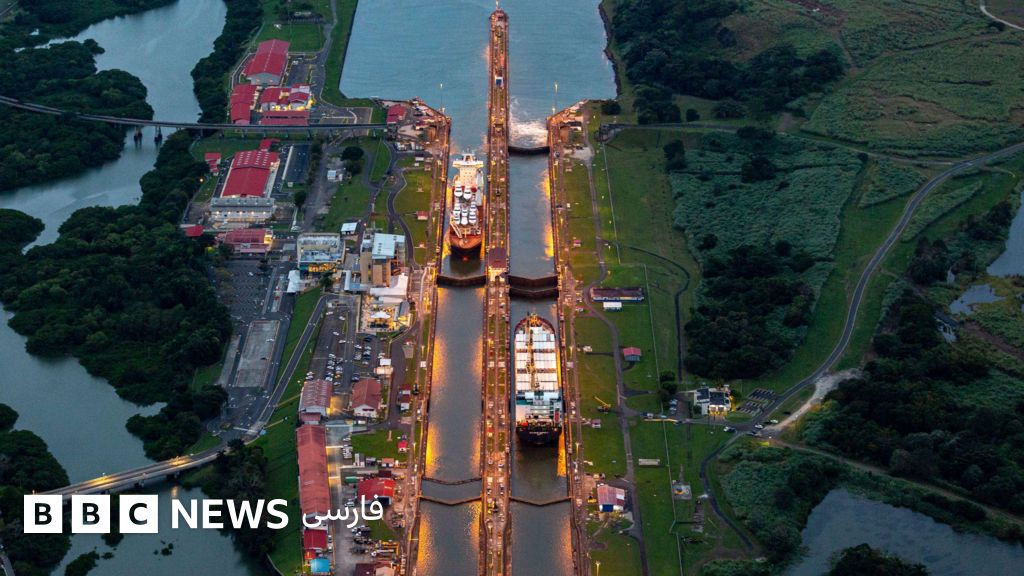
Where is Fujairah and why has it become one of the sensitive points of tension between Iran and the UAE?
Fujairah, a UAE port city outside the Strait of Hormuz, has become a critical point of tension between Iran and the UAE due to its strategic oil and communication infrastructure, which offers an alternative to the vulnerable Strait.
Intelligence analysis by Gemini 2.5 Flash
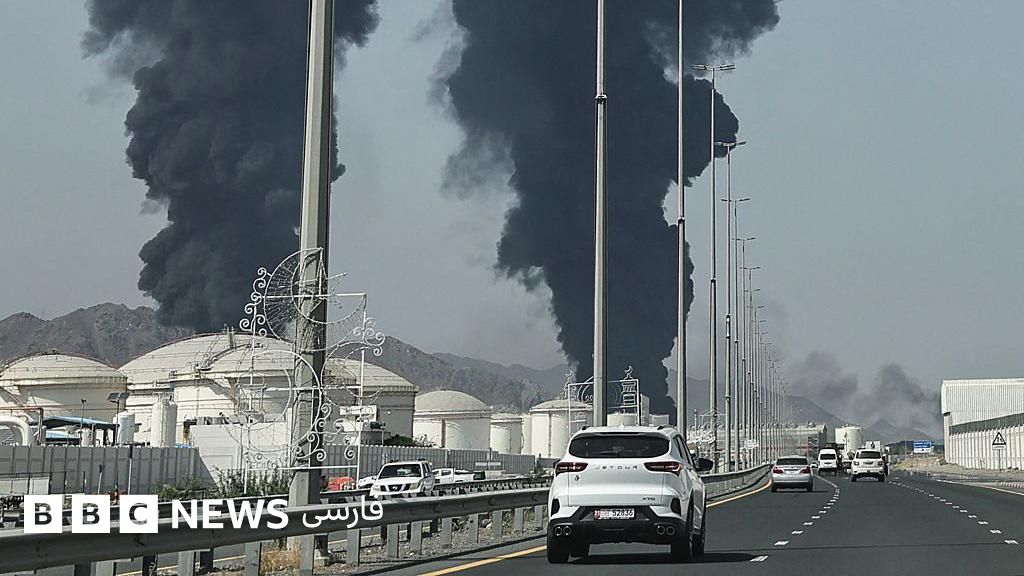
The article explores Fujairah's strategic importance for the UAE, highlighting its role as an alternative oil export route and a hub for submarine communication cables, thereby reducing dependence on the Strait of Hormuz. However, recent attacks and regional tensions have raised questions about its own vulnerability and its capacity to fully mitigate the risks associated with the Strait.
Fujairah is like a secret back door for the UAE to send its oil and internet cables out to the world, avoiding a busy and sometimes dangerous main gate called the Strait of Hormuz. But even this back door has faced problems recently, making everyone wonder how safe it really is.
Analysis
Fujairah's emergence as a flashpoint in regional tensions underscores the intricate geopolitical dynamics surrounding energy security in the Middle East. Its unique geographical position, situated on the Gulf of Oman outside the Strait of Hormuz, has long been touted as a strategic asset for the United Arab Emirates, offering a vital bypass for oil exports and critical communication infrastructure. However, recent attacks on its facilities have transformed this perceived advantage into a new vulnerability, highlighting the persistent challenges of safeguarding global energy flows amidst escalating regional rivalries. The article meticulously details how Fujairah has evolved from a nascent port in 1983 into a sophisticated hub comprising oil terminals, storage facilities, and a major bunkering center, now ranking fourth globally in marine fuel sales. This development reflects a concerted effort by the UAE to diversify its energy export routes and reduce its reliance on the Strait of Hormuz, a choke point that Iran has historically threatened to close. The strategic value of Fujairah extends beyond oil, encompassing its role as a crucial landing point for submarine fiber optic cables, which are essential for connecting Asia, the Middle East, and Europe. The vulnerability of these cables, exacerbated by recent conflicts, adds another layer of complexity to the region's security landscape.
Habshan-Fujairah Pipeline
The Habshan-Fujairah pipeline, launched in 2012, represents a cornerstone of the UAE's strategy to circumvent the Strait of Hormuz. This nearly 400-kilometer pipeline transports crude oil from Abu Dhabi's onshore fields directly to Fujairah's eastern coast terminals. With an estimated current capacity of 1.8 million barrels per day, it provides a significant alternative route for a portion of the UAE's oil exports.
However, the article notes that this capacity is often underutilized, with only about 1.1 million barrels per day transferred in 2025, leaving substantial unused potential. The actual volume of exports is influenced by various factors beyond pipeline capacity, including pumping capabilities, storage infrastructure, and the efficiency of loading terminals. While valuable, the pipeline alone cannot fully insulate the UAE from disruptions in the Strait.
Strait of Hormuz
The Strait of Hormuz remains an indispensable artery for global energy trade, with the International Energy Agency reporting an average of nearly 20 million barrels of crude oil and petroleum products passing through it daily in 2025. This volume accounts for approximately a quarter of the world's seaborne oil trade, underscoring its unparalleled strategic importance. The article emphasizes that despite the Habshan-Fujairah pipeline, the UAE's overall energy trade remains heavily dependent on the Strait.
Only Saudi Arabia and the UAE possess significant alternative pipeline routes to bypass Hormuz, collectively offering an estimated 3.5 to 5.5 million barrels per day of surplus capacity. This highlights the limitations of existing alternatives in fully replacing the Strait's immense throughput. The ongoing tensions and disruptions in the Strait of Hormuz continue to pose a substantial risk to global energy markets, making any alternative route, however limited, critically important.
Mandous Complex
Integral to Fujairah's strategic infrastructure is the underground Mandous complex, owned by the Abu Dhabi National Oil Company (ADNOC). This facility, built within a mountain, boasts an impressive storage capacity of 42 million barrels of crude oil across three subterranean rock caverns. The Mandous complex is designed to store various types of crude oil, strategically located near the Gulf of Oman export route.
This massive storage capability enhances Fujairah's resilience and flexibility as an oil hub, allowing for greater operational security and the ability to manage supply fluctuations. Its existence further solidifies Fujairah's role as a critical component of the UAE's energy security strategy, providing a buffer against potential disruptions and reinforcing its position as a key player in the global oil market, even as it faces new threats.
Key points
- Fujairah is a UAE port city on the Gulf of Oman, outside the Strait of Hormuz.
- It hosts critical oil infrastructure, including the Habshan-Fujairah pipeline, which allows the UAE to export oil without passing through Hormuz.
- Fujairah is also a major landing point for submarine fiber optic cables, connecting Asia, the Middle East, and Europe.
- Recent attacks on its oil facilities highlight its growing vulnerability amidst regional tensions between Iran and the UAE.
- While valuable, Fujairah's pipeline capacity (1.8 million bpd) is significantly less than the 20 million bpd passing through the Strait of Hormuz, meaning it cannot fully eliminate the UAE's dependence on the Strait.
- The Mandous underground storage complex can hold 42 million barrels of crude oil, further enhancing Fujairah's strategic importance.
The development of Fujairah's infrastructure, including the Habshan-Fujairah pipeline and the Mandous storage complex, provides the UAE with a crucial alternative route for oil exports and communication, potentially enhancing regional energy security and reducing the impact of disruptions in the Strait of Hormuz. This strategic diversification could stabilize global oil markets by offering a more resilient supply chain.
Despite its strategic advantages, Fujairah's facilities have been targeted, indicating that it has become a new point of vulnerability in regional tensions. This could lead to further escalation, disrupting oil supplies, increasing shipping costs, and potentially impacting global energy prices, while also threatening critical communication infrastructure.
Market signals
- OIL Disruptions and attacks in a key oil region, even an alternative route, increase supply-route risk, pushing oil prices higher.
AI-generated analysis of potential market relevance. Not financial advice.