Why Many Russians Are Growing Increasingly Uncertain
Higher taxes, weak demand, and war pressure are squeezing civilian life in Russia, while military-linked sectors still benefit.
Intelligence analysis by GPT-5.4 Mini
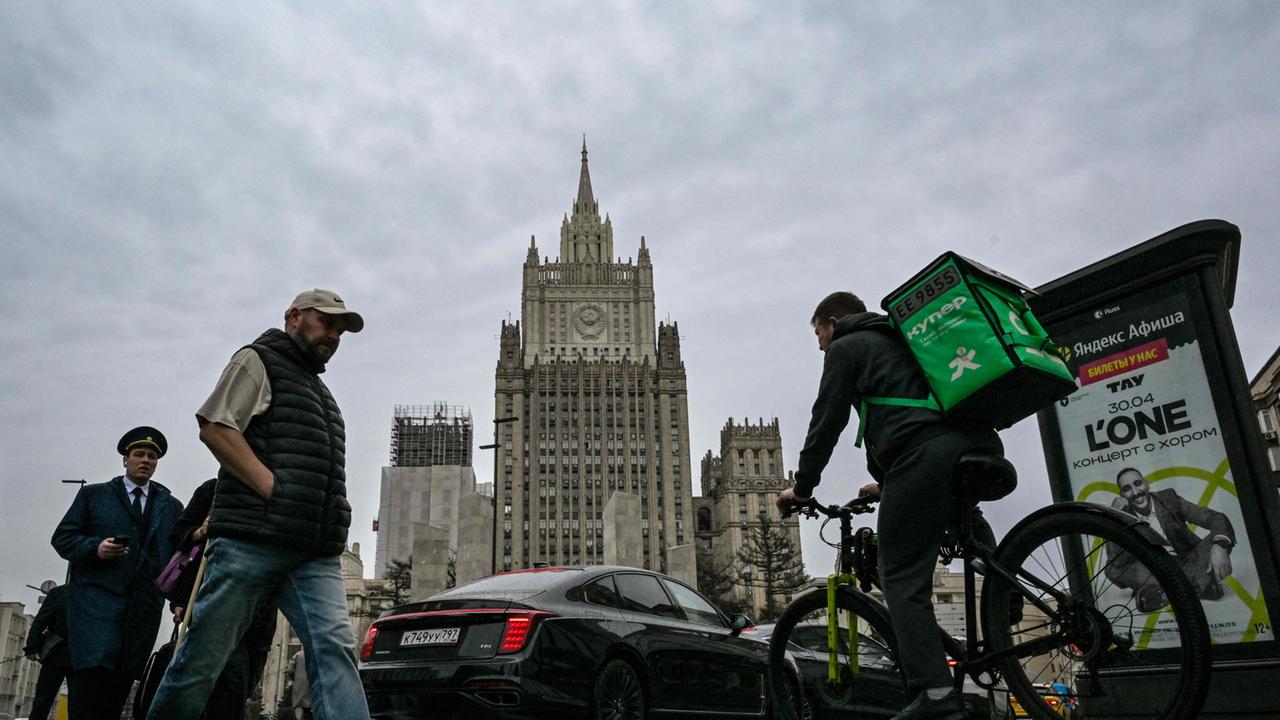
Tagesschau reports that many Russians are feeling more insecure as the economy splits in two: civilian businesses are under strain, while war-related sectors still do better. The article ties that mood to tax hikes, rising costs, regional deficits, and the effects of Ukrainian drone attacks.
Russia's money situation looks like two different worlds. Some parts linked to the war are doing okay, but many normal shops and cafes are getting squeezed by higher costs, higher taxes, and less spending, like a house where one room still has heat but the others are getting colder.
Analysis
A split economy
The article opens with a Moscow café owner, Kirill, closing his business after years in an expensive district where many nearby venues have already failed. He says western imports became more expensive after sanctions, food and labor costs keep rising, and a new landlord demanded four times the previous rent. His case is used as a sign of how hard life has become for small civilian businesses.
Taxes, weak demand, and regional strain
Economist Natalia Subarewitsch says 2026 is especially difficult for small firms because the state has raised value-added tax from 20% to 22% and introduced new levies for smaller companies. At the same time, demand is barely growing and household incomes are almost flat. She argues Russia's economy is becoming divided: people in civilian sectors are struggling, while those tied to the military economy are doing better.
The burden is also falling on Russia's regions. According to the article, 70 regions ended 2025 with budget deficits, and in some cases the shortfall reached 20% to 25%. The regions must also pay large sums for contract soldiers, adding more pressure to local finances.
War pressure reaches the home front
The piece says the St. Petersburg economic forum is meant to project confidence, but Ukrainian drone attacks on energy and military sites near the city have undercut that message. Economist Igor Lipsits argues that damage to refineries reduces the profits of oil companies and, in turn, the tax revenue flowing to the federal budget.
The overall picture is one of a country where the war is no longer only remote news. It is shaping prices, jobs, regional budgets, and the mood of ordinary people.
Key points
- A Moscow café owner is shutting down after years of rising costs, sanctions-related price increases, and a much higher rent.
- Economist Natalia Subarewitsch says 2026 is especially hard for small businesses because taxes have risen while demand is stagnant.
- The article describes a split economy: civilian sectors are under pressure, while military-related sectors are doing better.
- Many Russian regions are running deficits and also have to pay large sums connected to contract soldiers.
- Ukrainian drone attacks on energy infrastructure are adding pressure to Russia's budget by hurting refinery output and oil-company profits.
If the pressure on small businesses and household budgets eases, civilian parts of the economy could stop losing so many firms. A less strained regional budget picture could also reduce the sense that only war-linked sectors are being kept afloat.
If taxes stay high and demand stays weak, more small businesses may close and the civilian economy could keep shrinking. Continued drone damage to energy infrastructure could further hit oil revenues, which would leave the state with less room to cover war spending and regional deficits.