Will US or China win the next war? That’s the wrong question to ask
An opinion piece challenges the prevailing question of who will win the next US-China war, arguing instead for a focus on avoiding conflict and addressing shared global threats.
Intelligence analysis by Gemini 2.5 Flash
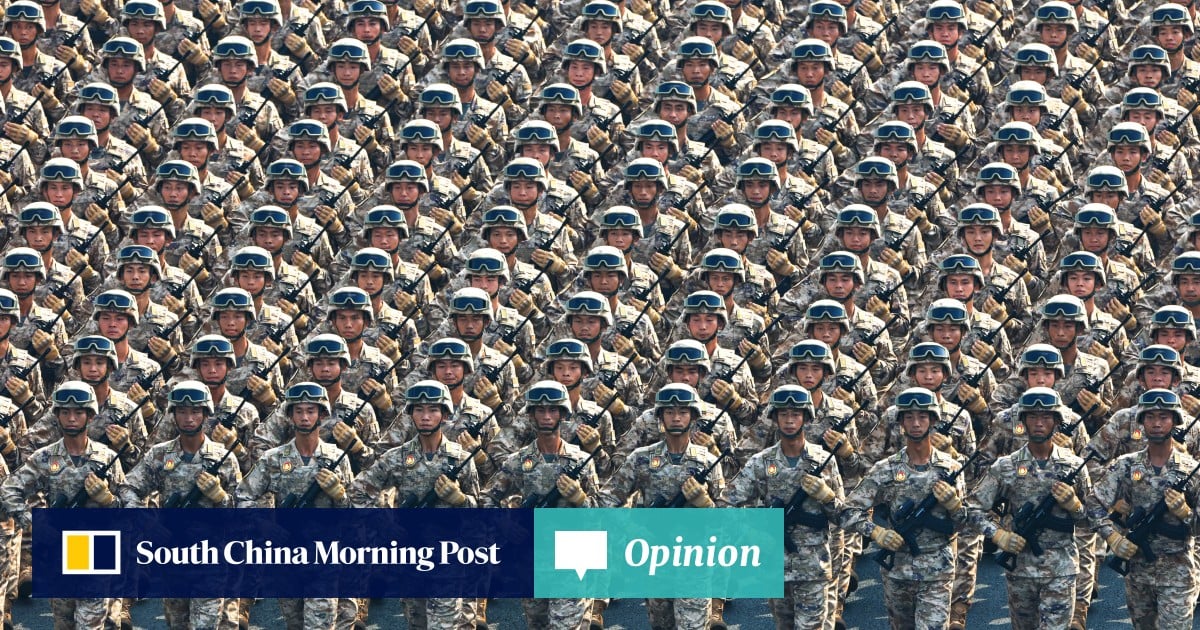
The article, prompted by a Foreign Affairs magazine cover, delves into the US-China military and technological rivalry, highlighting a fundamental clash of strategic philosophies. It critiques the Western strategic tradition rooted in liberal realism, which posits US primacy as essential for global stability, and suggests this framing overlooks opportunities for cooperation on issues …
Imagine two big kids, America and China, always trying to be the strongest on the playground. Instead of asking who would win a fight, this story says we should ask how they can stop fighting and work together on things that affect everyone, like cleaning up the playground or making sure everyone gets along. It's like saying, maybe they don't need to fight at all, especially when there are bigger problems they could solve together.
Analysis
The core premise of the article directly confronts the dominant narrative surrounding US-China relations, which often frames the interaction as an inevitable zero-sum contest for global supremacy. By questioning the utility of asking "Who will win the next war?", the author, Andrew Sheng, redirects attention from military confrontation to the more pressing need for mutual threat reduction and cooperation on global challenges. This perspective is particularly salient given the escalating rhetoric and strategic posturing from both sides, which risks entrenching a cycle of distrust and competition.
Challenging Western Strategic Orthodoxy
The article highlights how Western strategic thought, particularly liberal realism, underpins the US approach to China. This tradition, exemplified by contributors to Foreign Affairs magazine, asserts that US primacy is indispensable for global stability and the defense of democratic values. Any rising power, like China, is inherently viewed as a revisionist force threatening the established order. This framework, rooted in historical geopolitical theories like Mackinder's "heartland" and Spykman's "rimland," casts the US-China dynamic as an age-old struggle between maritime and land-based powers. The author suggests this deeply ingrained perspective limits the scope for alternative, more cooperative approaches to international relations.
The Impact of New Technologies and Asymmetric Warfare
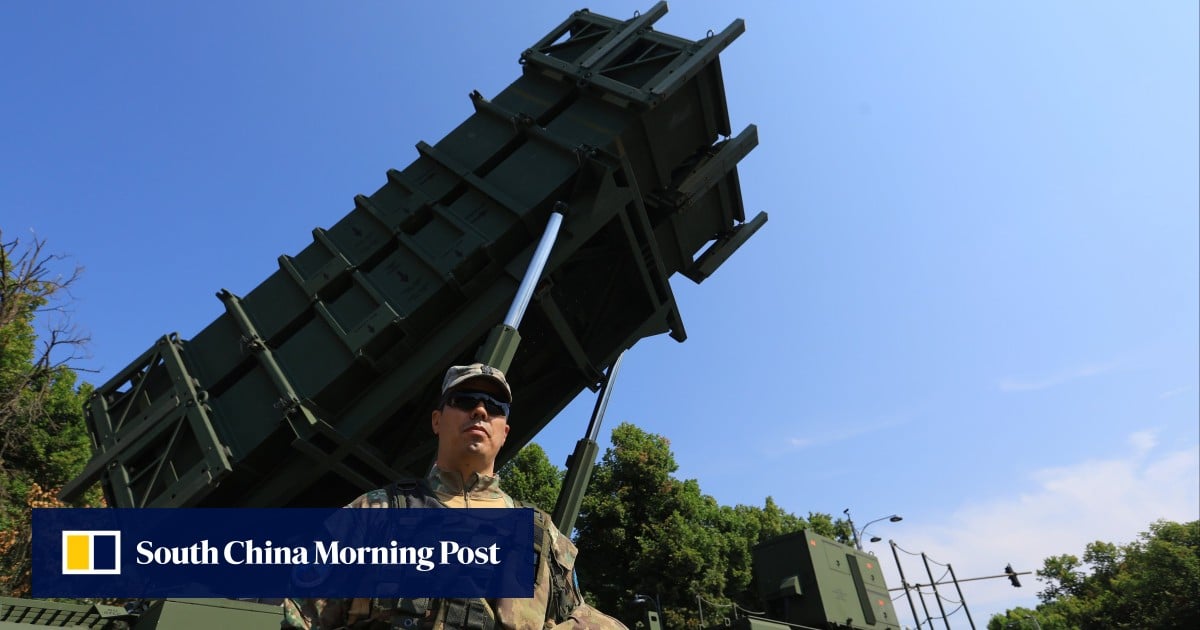
Paul Scharre's argument, cited in the article, underscores how advancements in drones, artificial intelligence, and robotics are reshaping military capabilities. These technologies not only challenge traditional US air and naval dominance but also empower states like Iran to engage in asymmetric warfare, potentially eroding US hard and soft power. Former US Pacific commander Admiral Dennis Blair reinforces this by viewing China's military build-up as an offensive move designed to alter the East Asian status quo, advocating for deterrence through US alliances and technological leadership. This technological dimension adds a layer of complexity to the rivalry, making the prospect of conflict more unpredictable and potentially devastating.
Redefining Alliances and Shared Resentments
The analysis further notes that the so-called "autocratic axis" is less united by shared ideology than by a common resentment of US dominance. Conversely, the democratic coalition, while ideologically aligned, often struggles with fractured interests and divergent views on how to engage with Beijing. This nuanced understanding of alliances and motivations is critical. It suggests that the current geopolitical alignments are not as monolithic as often portrayed, opening avenues for diplomatic engagement that transcend simplistic ideological divides. The author implicitly argues that focusing on shared threats like climate change and human injustice could provide a more constructive basis for international cooperation, moving beyond the confrontational paradigm.
Key points
- The article challenges the premise of asking who will win the next US-China war, advocating for a focus on avoiding conflict.
- It critiques the Western strategic tradition of liberal realism, which views US primacy as essential and rising powers as revisionist.
- New technologies like drones and AI are changing military dynamics, enabling asymmetric warfare and challenging traditional US power.
- The 'autocratic axis' is united more by resentment of US dominance than by ideology, while democratic alliances are often fractured.
- The author suggests addressing mutual threats like climate change and human injustice as a path to de-escalation and cooperation.
By shifting the focus from military competition to shared global threats like climate change and human injustice, the US and China could find common ground for cooperation. This collaborative approach could lead to more stable international relations and effective solutions for pressing global issues, benefiting all nations.
If the US and China continue to view their relationship through the lens of an inevitable military and technological rivalry, it risks escalating tensions and increasing the likelihood of conflict. This entrenched confrontational mindset could hinder progress on critical global challenges and destabilize East Asia.