Entertainment against alternatives
The Tehran Times critiques the miniseries "Steal," arguing that it subtly reinforces the existing capitalist order by misdirecting moral outrage and caricaturing resistance figures, despite its anti-capitalist facade.
Intelligence analysis by Gemini 2.5 Flash
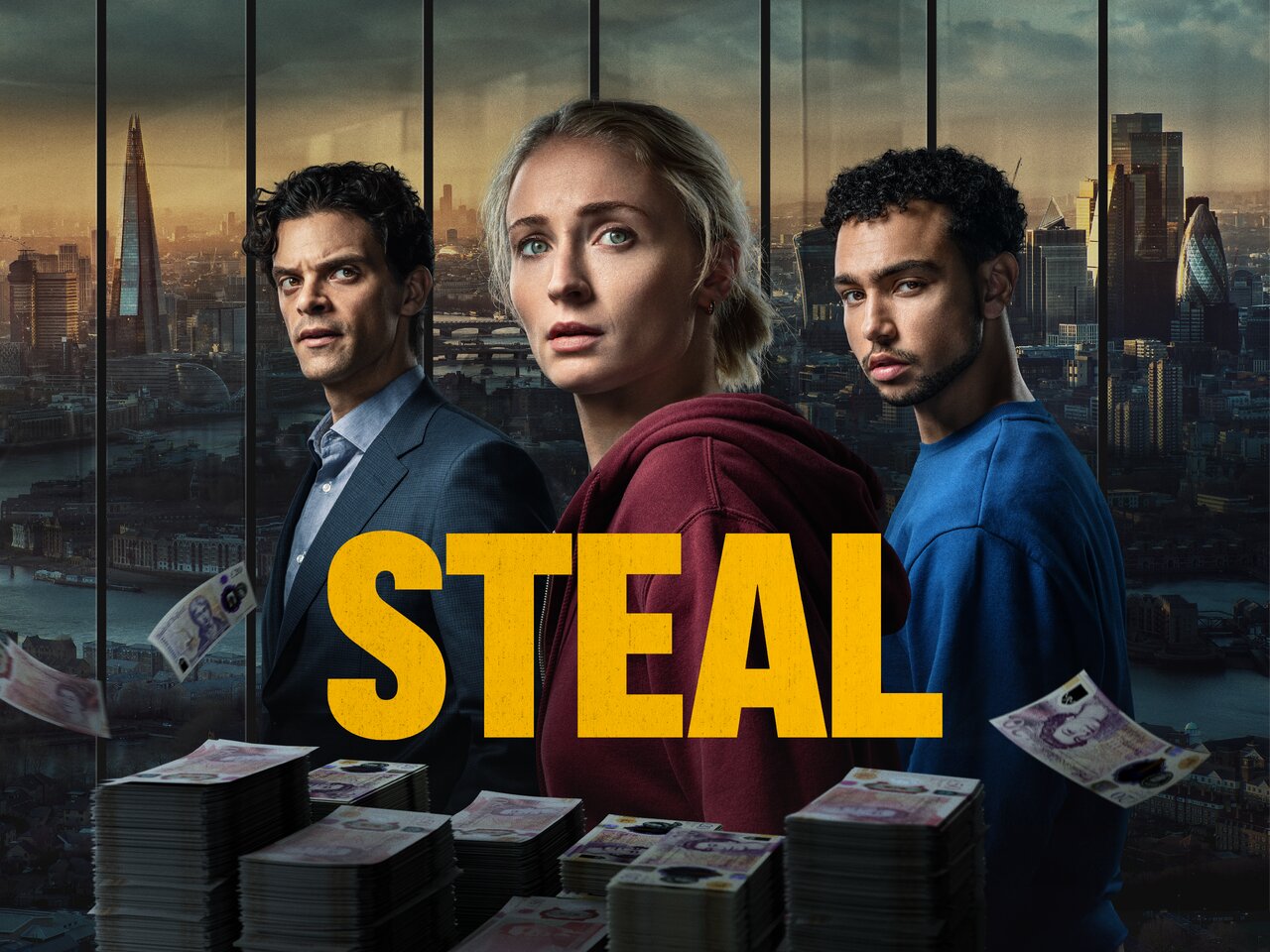
The article analyzes the Amazon miniseries "Steal," claiming its narrative structure, particularly the portrayal of a sacrificial villain and a caricatured resistance leader, serves to normalize the "Epstein class" and war brokers, ultimately upholding the very system it appears to criticize. The timing of its release, coinciding with a fictional war involving Iran, is highlighted as …
Imagine a TV show that seems to be about bad rich people, but actually, it makes the really powerful bad guys look okay by blaming a less important bad guy. It also makes the good guys who want to change things look silly or dangerous, so you don't think their ideas are good. It's like a magic trick where your attention is pulled away from the real problem, making you think there's no other way to fix things.
Analysis
The Subversive Narrative of "Steal"
The Tehran Times article dissects the miniseries "Steal," asserting that its seemingly anti-capitalist premise—a crime-thriller focused on financial corruption and inequality—is a deceptive veneer. The author, Kurosh Alyani, contends that the show's ultimate message is to shore up the very "war-driven capitalist order" it purports to critique. This is achieved through specific narrative choices that manipulate audience perception and moral judgment.
The analysis points to the rapid production and release of "Steal," noting its announcement and filming in May 2024, followed by its premiere in January 2026. This timeline is deemed significant, especially when juxtaposed with the fictional "Israel’s war against Iran" and subsequent US involvement, which the article states began in June 2025. The author suggests this temporal alignment indicates a deliberate political messaging embedded within the series' construction.
The "Epstein Class" and Moral Absolution
A central argument of the critique revolves around the concept of the "Epstein class," which the article defines not as a small circle around Jeffrey Epstein, but as a transnational network of politicians, capitalists, bankers, war brokers, military figures, media operators, and celebrities. This class, according to Alyani, is linked by money, power, war, and entertainment. The series is accused of using the character Milo Carter-Walsh as a sacrificial figure to embody this class.
Milo, despite being the most developed representation of this powerful elite, is ultimately killed off and presented as a middle-ranking mastermind. His death, the article argues, serves to absorb the audience's moral outrage, thereby allowing the true financial, political, security, and war-making network behind him to remain intact and recede from scrutiny. This narrative device effectively absolves the broader "Epstein class" by focusing blame on an individual, whose demise then closes the moral ledger.
Caricaturing Resistance and Alternatives
The article reserves its sharpest criticism for the portrayal of Darren Yoshida, a character intended to represent radical thinkers and leaders of resistance. Yoshida, who speaks of inequality, tax havens, and systemic failures, is depicted as a "sloganistic, fleshless" figure, lacking human presence or developed personality. His methods, reminiscent of clandestine networks and long-term planning, are likened to "Gaza’s tunnel-based sovereignty," symbolizing an alternative, hidden order.
However, the series, according to the critique, combines these revolutionary ideals and figures into Yoshida only to condemn him. He is dismissed as "juvenile, naïve, and responsible for the deaths of others," without being given the narrative depth necessary for the audience to take his ideas seriously. This caricaturing, the article concludes, effectively discredits and delegitimizes genuine resistance movements and intellectual alternatives, leaving individual theft as the only perceived rational response to systemic injustice.
Key points
- The miniseries "Steal" is critiqued for subtly reinforcing the "war-driven capitalist order" despite its anti-capitalist appearance.
- The series allegedly uses a sacrificial character, Milo, to absorb moral outrage, thereby protecting the broader "Epstein class" network of powerful figures.
- War brokers, represented by Sir Toby Gould, are normalized within the narrative rather than condemned.
- The character Darren Yoshida, embodying resistance leaders and radical thinkers, is caricatured and condemned without being fully developed.
- The article suggests the series' rapid production and release, coinciding with a fictional war involving Iran, indicates a deliberate political message.