Millions in Great Britain can now face emergency power cuts at short notice
Great Britain's electricity system operator can now implement rolling blackouts with eight hours' notice to prevent grid collapse. This new measure allows for short-term disconnections without requiring government emergency powers.
Intelligence analysis by Gemini 2.5 Flash Lite
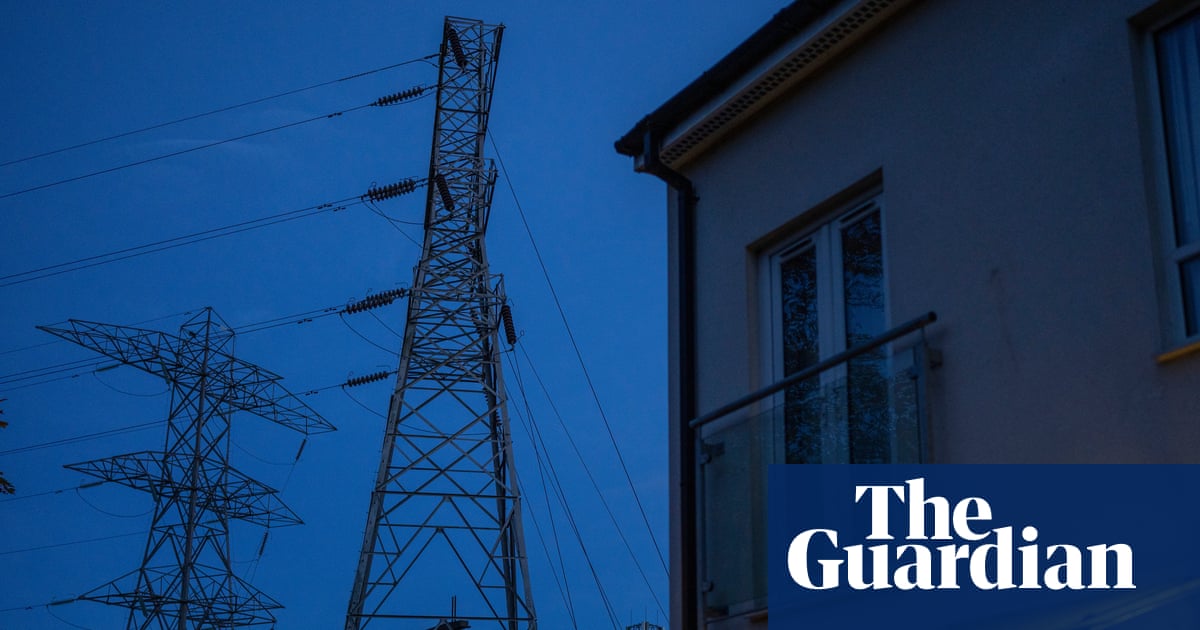
New regulations empower Great Britain's National Energy System Operator (Neso) to enact rolling power cuts as a last resort. This measure, designed to prevent total grid collapse, can be initiated with minimal notice and bypasses the need for government intervention, marking a significant shift in grid management strategy.
Imagine your house has too many toys plugged in, and the power might go out everywhere. Now, the grown-ups in charge can ask some houses to turn off their toys for a few hours, like a planned game of musical chairs, to make sure the whole neighborhood's power stays on.
Analysis
Neso's New Authority
The National Energy System Operator (Neso) in Great Britain has been granted new powers that allow it to implement rolling blackouts with as little as eight hours' notice. This significant shift in regulatory authority means that Neso can now take this drastic measure to stabilize the electricity grid without needing to invoke emergency government powers. The changes, approved by the industry regulator, are designed to address short-term energy supply squeezes that could otherwise lead to a complete system collapse. These rotating blackouts are intended to cut electricity use in affected areas by over a fifth, serving as a critical last line of defense.
Grid Code Revisions
The technical rules governing the country's transmission system, known as the grid codes, have been quietly amended to facilitate these new operational capabilities. Neso proposed these measures, emphasizing their flexibility and speed compared to existing government emergency powers. The new protocol bridges a gap between Neso's historical ability to call for short-term power cuts (last used during the miners' strikes of the 1970s) and the government's broader emergency powers, which are suited for prolonged disruptions. The aim is to provide a tool that can be initiated quickly to respond to even short-lived supply deficits, such as those that might occur on a particularly cold winter evening.
Extreme Circumstances
Neso has stressed that these rolling blackouts are a "last-resort contingency measure" that will only be employed in "the most extreme and unlikely circumstances." This would occur only after all other available options have been exhausted, including disconnecting large industrial users and lowering regional grid voltage. The intention is to protect the wider electricity system from uncontrolled consequences, drawing lessons from past incidents in other countries where system collapse led to prolonged restoration periods. While hospitals and other critical infrastructure will be exempt, the potential for three-hour rotating blackouts across the country underscores the growing fragility of the energy system against unpredictable imbalances.
Key points
- Great Britain's electricity system operator (Neso) can now implement rolling blackouts with eight hours' notice.
- This measure aims to prevent widespread grid collapse when energy supplies are critically low.
- The new rules allow Neso to act without needing emergency government powers.
- These planned power cuts are a last resort, intended for extreme and unlikely circumstances.
- Critical sites like hospitals will be exempt from the planned disconnections.
These new powers could ensure grid stability during periods of extreme demand or supply shortages, preventing widespread and uncontrolled blackouts. By having a swift, albeit disruptive, mechanism in place, Neso can safeguard the overall integrity of the electricity system, ensuring essential services remain operational.
The implementation of emergency power cuts, even as a last resort, introduces significant uncertainty and potential disruption for millions. Businesses could face unexpected downtime, and households may experience inconvenience, raising concerns about the reliability of the energy supply and the effectiveness of Neso's other preventative measures.